Panel and Subpanel Work in Cypress Hills, NY
Safe, Modern Power for Your Home
Hear from Our Customers
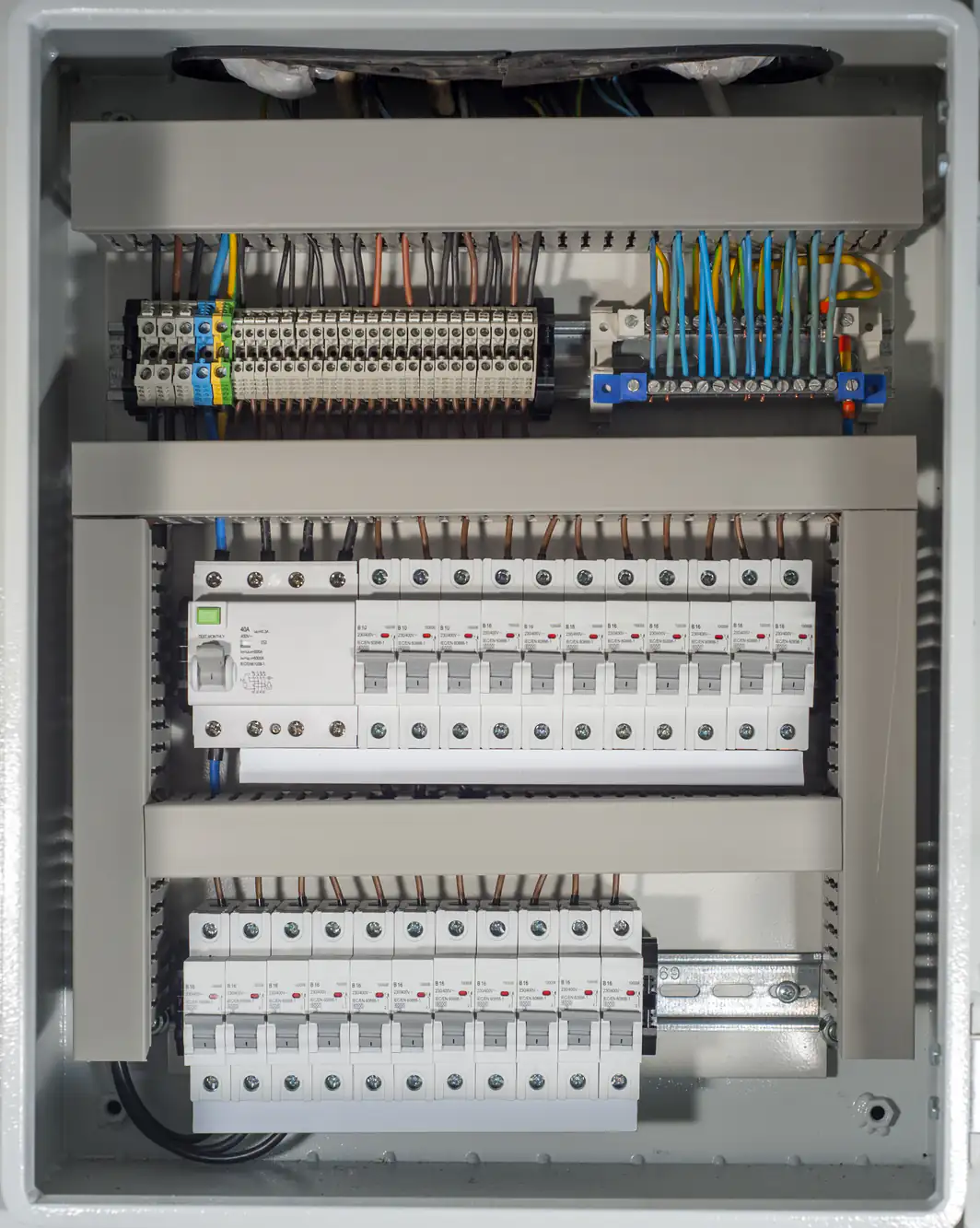
Electrical Panel Upgrades Cypress Hills
You flip a switch and expect the lights to work. You plug in your phone and expect it to charge. But when your panel can’t keep up, you’re stuck resetting breakers and wondering if tonight’s the night something goes wrong.
A proper panel upgrade changes that. Your home gets the electrical capacity it needs for today’s appliances, tomorrow’s additions, and everything in between. No more choosing between running the AC and using the microwave. No more worrying about overloaded circuits.
Your electrical system works like it should—reliably, safely, and without you having to think about it.
Licensed Electricians Cypress Hills NY
We’ve been handling electrical work across Brooklyn for years, and we know what Cypress Hills properties need. Many homes in your neighborhood were built when electrical demands were simpler—before central air, electric vehicle chargers, and the dozen devices every family uses daily.
We’re licensed, insured, and familiar with the mix of housing types in your area, from the Victorian homes near Highland Park to the apartment buildings along Fulton Street. Every job gets the same attention to safety, code compliance, and workmanship that keeps our customers comfortable for years to come.
Our team understands local electrical codes and works with the city to ensure every upgrade passes inspection the first time.
Panel Installation Process Brooklyn
First, we assess your current panel and electrical needs. We check your home’s wiring, measure electrical loads, and determine what size upgrade makes sense for your situation and budget.
Next, we pull the necessary permits and schedule the work around your life. Most panel upgrades take 4-6 hours, with some power interruption during the switchover. We coordinate with Con Edison when needed for service upgrades.
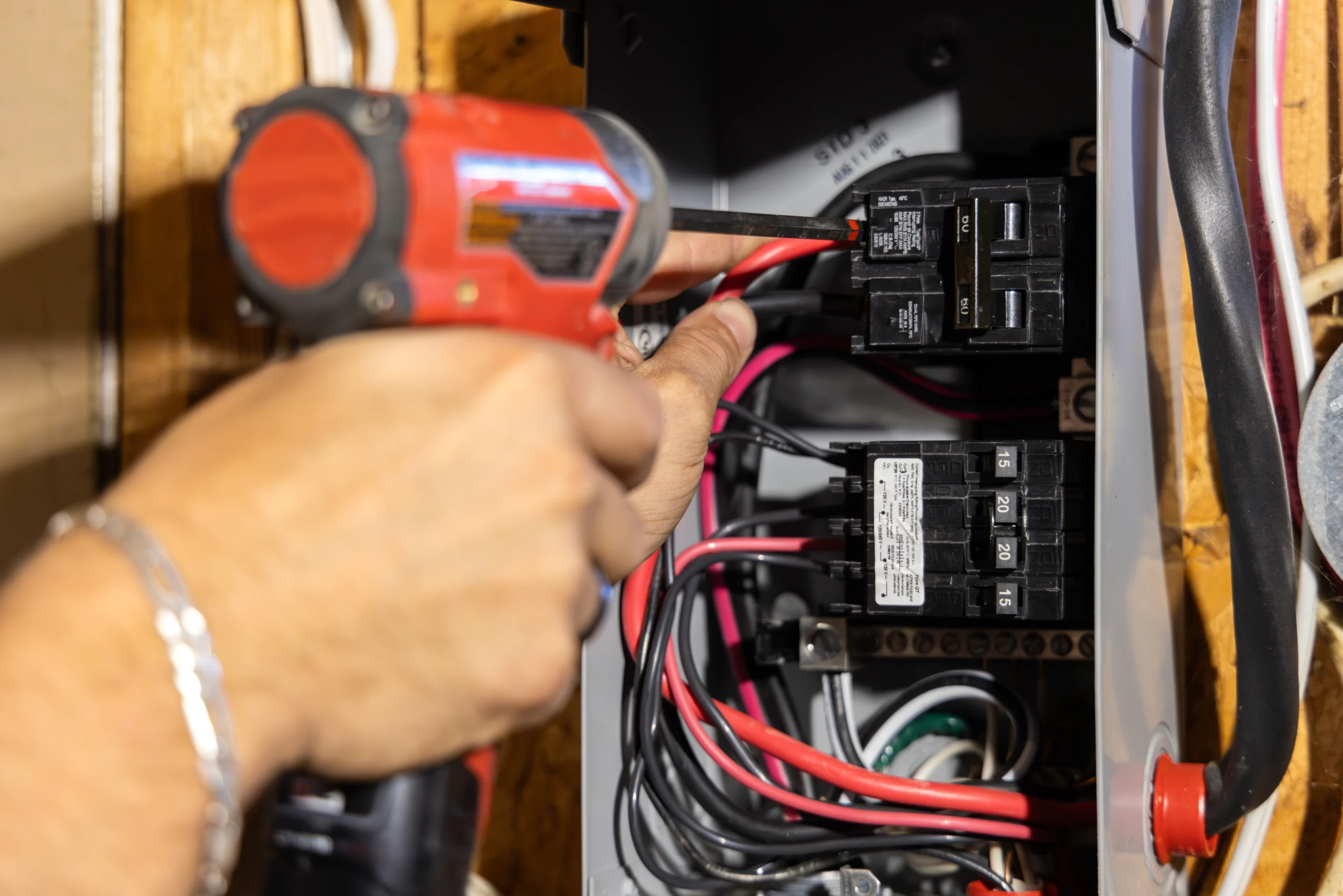
Installation involves safely removing your old panel, installing the new one with proper grounding and connections, then connecting all circuits to the upgraded system. We test everything before we leave and walk you through the new setup.
Finally, the city inspector reviews our work to ensure it meets all safety codes. You get documentation for your records and the peace of mind that comes with professional electrical work.
Ready to get started?
Subpanel Installation Cypress Hills
Sometimes your main panel has enough capacity, but you need circuits in specific areas—a detached garage, basement workshop, or home addition. That’s where subpanels make sense.
Subpanels give you additional circuit breakers fed from your main panel, letting you distribute power to distant areas without long wire runs or overloading existing circuits. They’re particularly useful in Cypress Hills homes where you might be finishing a basement or adding an EV charging station.
We install subpanels with proper sizing, grounding, and code-compliant connections back to your main panel. Each subpanel gets its own shutoff and clearly labeled circuits, making future electrical work safer and simpler.
The result is organized, accessible electrical distribution that grows with your needs while maintaining the safety and reliability you expect from professional electrical work.
How do I know if my Cypress Hills home needs a panel upgrade?
Several signs indicate your panel needs upgrading. If you’re frequently resetting circuit breakers, experiencing flickering lights, or your panel is over 30 years old, it’s likely time for an upgrade.
Many Cypress Hills homes still have 60-amp or 100-amp services that can’t safely handle modern electrical loads. If you’re planning to add central air, electric vehicle charging, or major appliances, your current panel may not have the capacity.
You should also upgrade if your panel uses fuses instead of breakers, has a recalled brand like Federal Pacific or Zinsco, or if you smell burning or see scorch marks around the panel. These are safety issues that need immediate professional attention.
What's the difference between a panel upgrade and subpanel installation?
A panel upgrade replaces your main electrical panel with a larger capacity unit, typically going from 100 amps to 200 amps. This increases your home’s total electrical capacity and usually requires coordination with your utility company.
A subpanel installation adds additional circuit breakers fed from your existing main panel. It doesn’t increase your total electrical capacity, but gives you more circuits to work with and can bring power to distant areas like garages or workshops.
Think of subpanels as electrical distribution points—they take power from your main panel and redistribute it locally. They’re often the right solution when you need more circuits but your main panel has adequate capacity for your total electrical load.
How long does panel and subpanel work take in Brooklyn?
Most panel upgrades take 4-6 hours of actual work time, but the full process includes permit applications, utility coordination, and final inspections. We typically schedule the work over 1-2 days to minimize disruption to your routine.
Subpanel installations are usually faster, often completed in 2-4 hours depending on the location and complexity of the wire runs. The main factor is how far the subpanel is from your main panel and what obstacles we encounter.
Power will be off during portions of the work, but we coordinate with you to minimize inconvenience. We also handle all permit applications and schedule the required city inspection, so you don’t have to deal with the paperwork.
What does panel and subpanel work cost in Cypress Hills?
Panel upgrade costs typically range from $1,000 to $2,500, depending on the amperage increase and complexity of your home’s wiring. Subpanel installations generally cost less, varying based on the panel size and wire run distance.
Several factors affect pricing: your current panel’s condition, whether service upgrade coordination with Con Edison is needed, accessibility of your electrical setup, and any additional wiring work required. Older Cypress Hills homes sometimes need additional updates to meet current codes.
We provide detailed estimates after assessing your specific situation. The investment pays off through increased safety, electrical capacity for modern needs, and often increased property value. Many upgrades also qualify for federal tax credits when done as part of energy efficiency improvements.
Do I need permits for electrical panel work in Brooklyn?
Yes, both panel upgrades and subpanel installations require permits from NYC Department of Buildings. All electrical work must be performed by licensed electricians and inspected by the city to ensure code compliance.
We handle the entire permit process for you, including applications, fee payments, and scheduling inspections. This ensures your work is legal, safe, and properly documented for insurance and resale purposes.
Attempting electrical panel work without permits can create serious problems—insurance claims may be denied, you could face fines, and improperly installed panels pose fire and safety risks. Professional installation with proper permits protects your family and your investment.
Can I add an electric vehicle charger with my current panel?
EV chargers typically require 240-volt, 40-50 amp circuits, which many older panels in Cypress Hills can’t accommodate safely. If your panel is already near capacity or you don’t have available circuit slots, you’ll likely need an upgrade or subpanel.
We can assess your current electrical setup and determine the best approach. Sometimes a subpanel near your garage or driveway provides the most cost-effective solution for EV charging without overloading your main panel.
The key is proper sizing and installation—EV chargers draw significant power, and improper installation can cause breaker trips, overheating, or worse. We ensure your charging setup is safe, code-compliant, and reliable for daily use.
Local Resources
Other Services we provide in Cypress Hills