Electrical Inspection in Cypress Hills, NY
Know What's Behind Your Walls Before It's Too Late

Hear from Our Customers
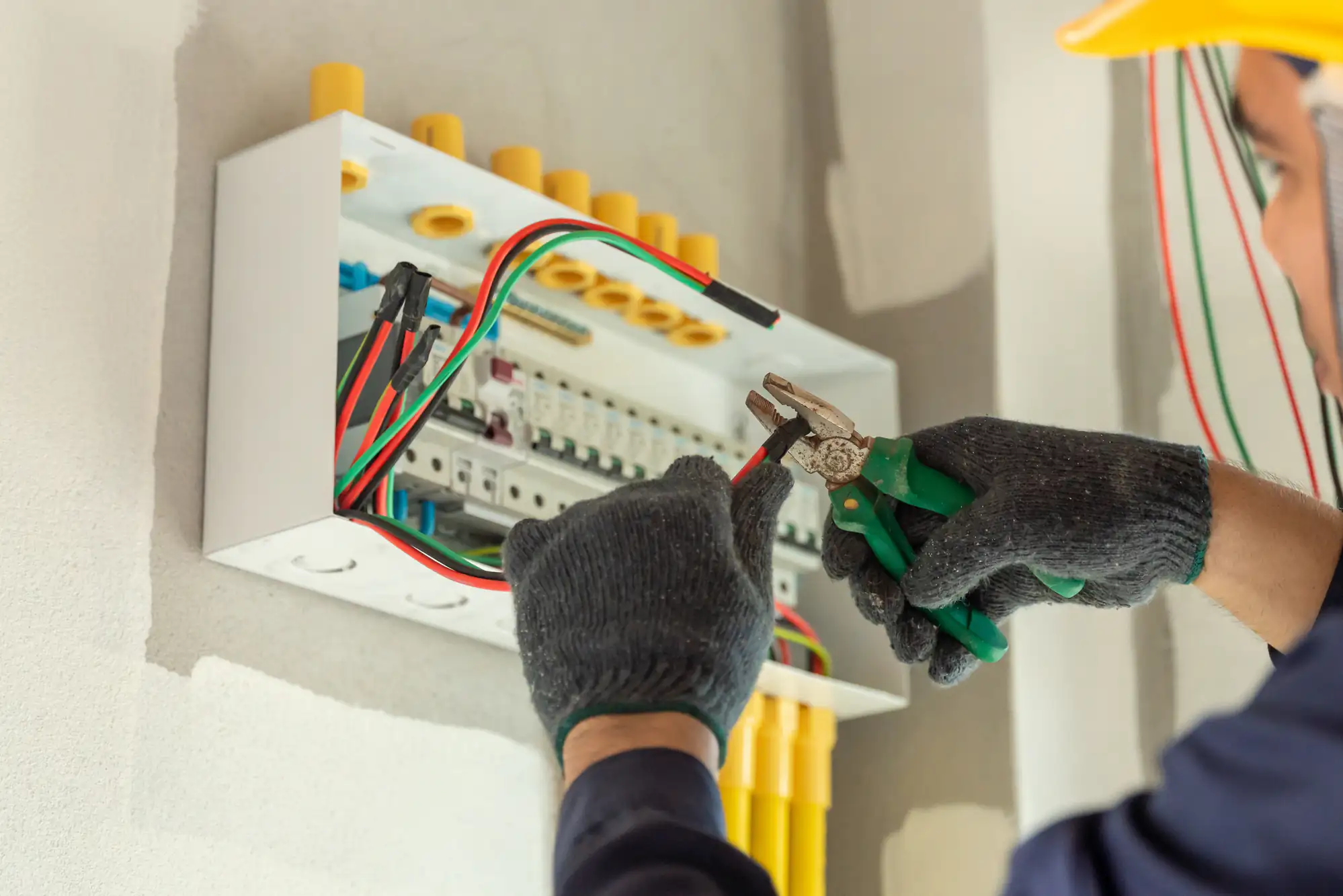
Home Electrical Inspection Services Cypress Hills
You’re not looking for an electrician because everything’s going great. Maybe you’re buying a home in Cypress Hills and need to know what you’re actually getting. Maybe your insurance company flagged your wiring. Maybe you’ve noticed flickering lights, warm outlets, or breakers that trip for no clear reason.
Whatever brought you here, the question is the same: is your electrical system safe, or are you sitting on a problem that’s getting worse every day?
A house electrical inspection in Cypress Hills, NY gives you the answer. You’ll know if your panel can handle modern loads. You’ll know if there’s knob-and-tube wiring hiding in the walls. You’ll know if previous owners cut corners with unpermitted work that’s now your liability. And you’ll know exactly what needs fixing, what can wait, and what’s putting your family at risk right now.
This isn’t about selling you a rewire you don’t need. It’s about giving you the full picture so you can make smart decisions about your home, your safety, and your money.
Licensed Electricians Serving Cypress Hills, NY
We’ve been handling electrical work across Brooklyn for years, and we’ve seen it all. Victorian homes near Highland Park with original wiring that was never meant to power air conditioners and phone chargers. Multi-family buildings on Fulton Street with panels that haven’t been updated since the ’70s. New construction that looks clean but hides sloppy work behind the drywall.
We’re licensed, insured, and familiar with NYC electrical codes—which means we know what the city inspector is going to flag before they even show up. We don’t guess. We don’t cut corners. And we don’t tell you something’s fine when it’s not.
When you call us for an electrical inspection in Cypress Hills, NY, you’re getting someone who understands the neighborhood, the housing stock, and the kinds of problems that show up in homes like yours. We’ll walk you through what we find, explain what it means, and give you a clear path forward.
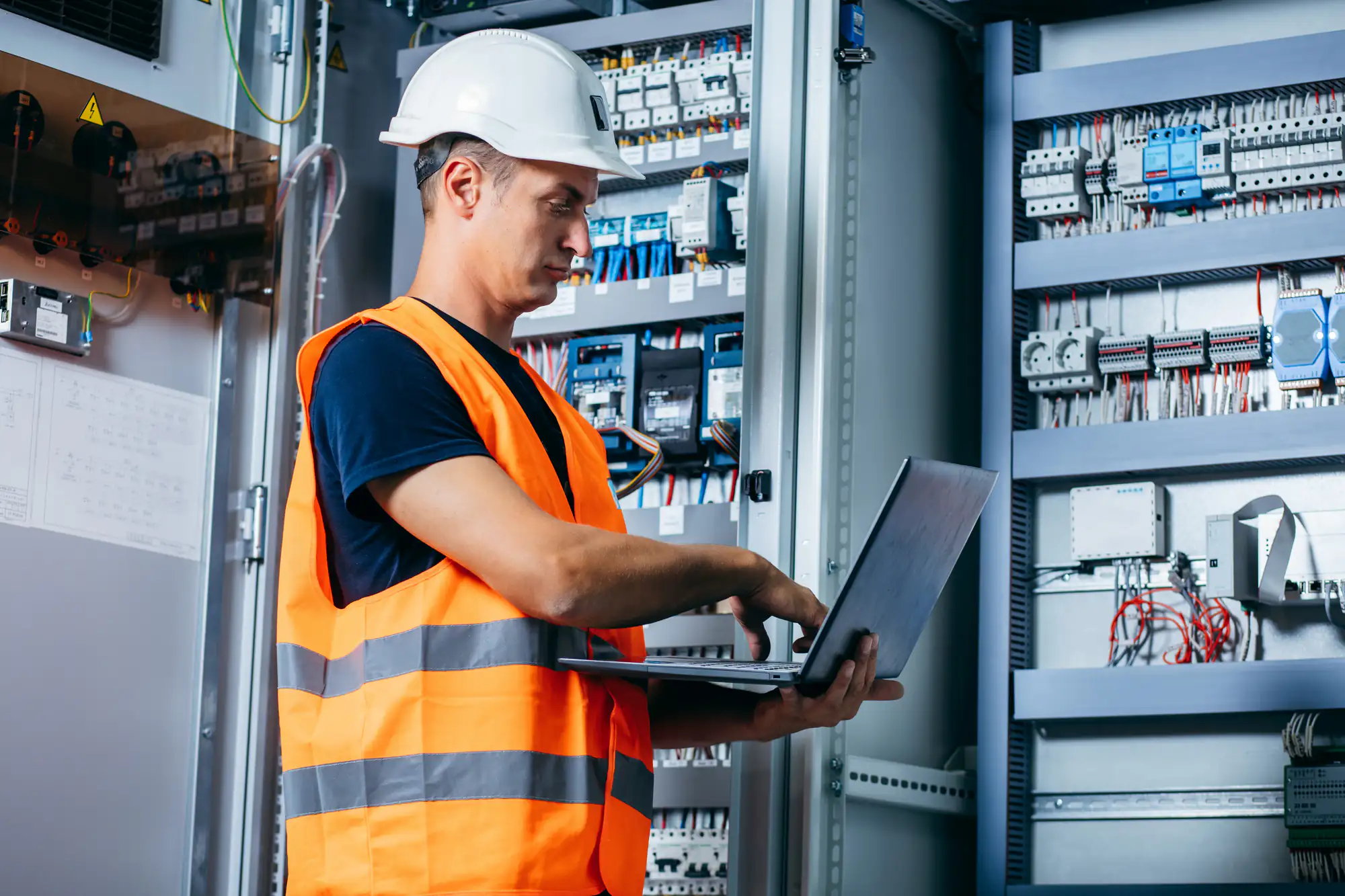
Electrical Wiring Inspection Process Cypress Hills
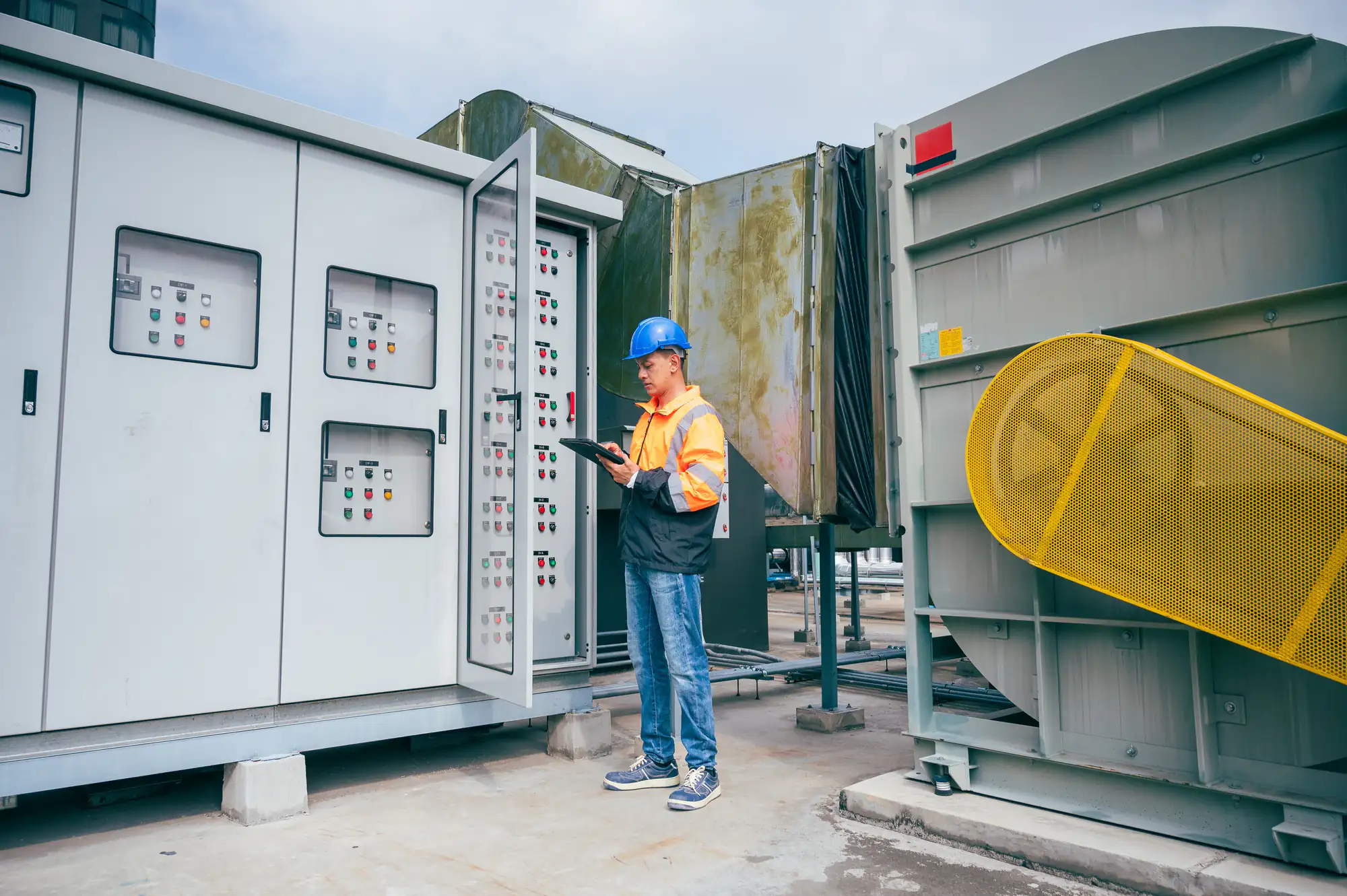
We start at your electrical panel. That’s where most problems either start or show up first—undersized service, double-tapped breakers, rust, corrosion, or panels that were recalled decades ago but never replaced. We check the labeling, the wiring, the connections, and whether your panel can actually handle what you’re asking it to do.
From there, we move through your home testing outlets, switches, and circuits. We’re looking for loose connections, improper grounding, reversed polarity, GFCI protection where it’s required, and any signs that someone did electrical work without knowing what they were doing. We check your wiring for age, type, and condition—especially if your home was built before 1980.
We also inspect major appliances and systems: your HVAC, water heater, any hardwired equipment. If you’ve got aluminum wiring, knob-and-tube, or cloth-wrapped insulation, we’ll document it and explain what that means for safety and insurability. At the end, you get a full report that breaks down what we found, what’s code-compliant, what’s not, and what needs attention. No jargon. No upselling. Just the truth about your electrical system.
Ready to get started?
Certified Electrical Inspection Cypress Hills, NY
This isn’t a quick walkthrough. A certified electrical inspection in Cypress Hills, NY means we’re checking your entire system—panel, circuits, outlets, switches, grounding, bonding, and any visible wiring. We test for proper voltage, check for code violations, and identify anything that could become a safety issue down the line.
You’ll get a written report that documents everything. That report matters if you’re buying or selling a home, filing an insurance claim, or just want proof that your electrical system has been professionally evaluated. It’s also what you’ll need if repairs are required and you want to pull permits with the city.
Cypress Hills has a mix of old and new construction, and that means a mix of electrical systems—some updated, some untouched since the ’40s. Homes here weren’t built for the electrical loads we use today. If your service panel is still 60 or 100 amps, or if you’ve got fuses instead of breakers, that’s not just outdated—it’s a bottleneck that can overheat wiring and start fires. We’ll tell you if your system is keeping up or falling behind, and what it’ll take to bring it current.
How much does an electrical inspection cost in Cypress Hills, NY?
Most electrical inspections in Brooklyn run between $200 and $300 for a standard home. The price depends on the size of your property, how many circuits you have, and whether there are any obvious complications like multiple panels or outdated wiring that takes longer to evaluate.
That’s a small cost compared to what you’re protecting against. Electrical fires cause over 51,000 home fires a year, and most of them start with problems that could’ve been caught during an inspection. If you’re buying a home, that $200 could save you from inheriting a $10,000 rewire. If you’re selling, it could keep a deal from falling apart because the buyer’s inspector found something you didn’t know about.
We give you an upfront price before we start. No surprises, no hidden fees. You’ll know exactly what the inspection costs and what you’re getting for it.
What does an electrical safety inspection in Cypress Hills actually check?
We check everything that affects the safety and function of your electrical system. That starts with your main panel—looking for proper sizing, correct breaker ratings, signs of overheating, and whether the panel itself is up to code. Some panels were recalled years ago but are still in homes because no one ever replaced them.
From there, we test your outlets and switches for proper grounding, correct wiring, and GFCI protection in areas like kitchens, bathrooms, and outdoor spaces. We inspect visible wiring for damage, age, and type—knob-and-tube, aluminum, and cloth-wrapped wiring all get flagged because they’re fire hazards. We also check your grounding and bonding systems, which protect you from electrical shock and equipment damage.
If you’ve got hardwired appliances, ceiling fans, or dedicated circuits for things like your AC or electric range, we inspect those too. The goal is to catch anything that’s unsafe, non-compliant, or likely to fail before it becomes an emergency.
How often should I get an electrical inspection on my Cypress Hills home?
Every 3 to 5 years is the standard recommendation, but it depends on your home’s age and condition. If your house was built before 1980, you should be on the shorter end of that range. Older homes have older wiring, and older wiring breaks down—insulation cracks, connections loosen, and systems that were fine 20 years ago can’t handle modern electrical loads.
You should also get an inspection after any major renovation, especially if electrical work was involved. Even if permits were pulled, it’s worth having a second set of eyes confirm everything was done right. Same goes for storm damage, frequent tripping breakers, or if you’re adding high-draw equipment like an EV charger or central air.
And if you’re buying or selling a home in Cypress Hills, an electrical inspection isn’t optional—it’s part of due diligence. Buyers want to know what they’re getting. Sellers want to avoid last-minute surprises that kill deals. Either way, an inspection gives you clarity and leverage.
Will an electrical inspection help me lower my home insurance premium?
It can, especially if your home has older wiring that insurance companies see as high-risk. Knob-and-tube wiring, aluminum wiring, and outdated panels are all red flags for insurers. Some companies won’t cover homes with those systems at all. Others will, but they’ll charge you more or exclude electrical fire damage from your policy.
If you get an inspection and then fix the issues—replace the knob-and-tube, upgrade the panel, rewire problem areas—you can often get better rates or broader coverage. Some insurers will even give you a discount just for having a recent inspection on file, because it shows you’re maintaining the property and reducing risk.
At minimum, an inspection protects you from claim denials. If you file a claim after an electrical fire and the insurance company finds out you had known wiring issues that weren’t disclosed, they can deny the claim entirely. An inspection gives you documentation that your system was evaluated and any problems were addressed.
What happens if the inspection finds code violations in my Cypress Hills home?
First, don’t panic. Code violations are common, especially in older Brooklyn homes. Most of them aren’t emergencies—they’re things that need to be corrected to bring your system up to current safety standards. We’ll explain what we found, why it’s a violation, and what it takes to fix it.
Some violations are simple: missing GFCI outlets, improper wire gauges, or outlets installed without junction boxes. Others are bigger: unpermitted work, undersized panels, or wiring that’s not rated for the load it’s carrying. We’ll prioritize what needs immediate attention and what can be addressed over time.
If you’re selling your home, code violations can become deal-breakers if they’re found during a buyer’s inspection. If you’re buying, they give you negotiating power—you can ask the seller to fix them, or you can use the cost of repairs to adjust your offer. Either way, knowing about violations before they’re discovered by someone else puts you in control. We handle the permits, coordinate city inspections, and make sure the work is done right the first time.
Can I get an electrical inspection for just part of my home?
Yes, but it’s not usually the best move unless you have a specific reason. If you’re renovating one area—say, finishing a basement or adding a kitchen—we can inspect just that circuit or section of your electrical system. Same goes if you’re troubleshooting a problem in a particular room and want to know if the wiring is the issue.
That said, electrical problems don’t stay isolated. A circuit that’s overloaded in your living room could be tied to your panel, which could have issues affecting your whole house. An outlet that’s not grounded properly might be part of a larger wiring problem that runs through multiple rooms. If we’re only looking at one piece, we might miss the bigger picture.
A full-home electrical inspection in Cypress Hills, NY gives you the complete story. You’ll know what’s working, what’s not, and where your system is vulnerable. It’s the difference between putting out a fire and actually fixing what caused it. For most homeowners, that peace of mind is worth the investment.
Other Services we provide in Cypress Hills