Electrified NY Blogs
Top Signs You Need an Electrical Inspection for Your Brooklyn Home
Summary:
Warning Signs Your Home's Electrical System Needs Professional Attention
Your electrical system doesn’t fail quietly. It sends signals when something’s going wrong, and recognizing those signals early is how you prevent bigger problems down the road.
Flickering or dimming lights—especially when you turn on appliances—usually point to overloaded circuits or loose wiring. When your lights dim every time you start the microwave or run the vacuum, your system is struggling to keep up. That’s not normal wear and tear.
Frequent circuit breaker trips are another clear indicator. Breakers trip to protect you from overloads, short circuits, and ground faults. If you’re constantly resetting them, your system is either overloaded or there’s a fault that needs attention from a qualified electrician. Burning smells near outlets, switches, or your electrical panel demand immediate action. That smell—often described as burning plastic, rubber, or even fish—means something is overheating or melting inside your walls. Shut off power to that area if you can safely reach your panel, and call for an inspection right away.
Why flickering lights and burning smells are more serious than you think
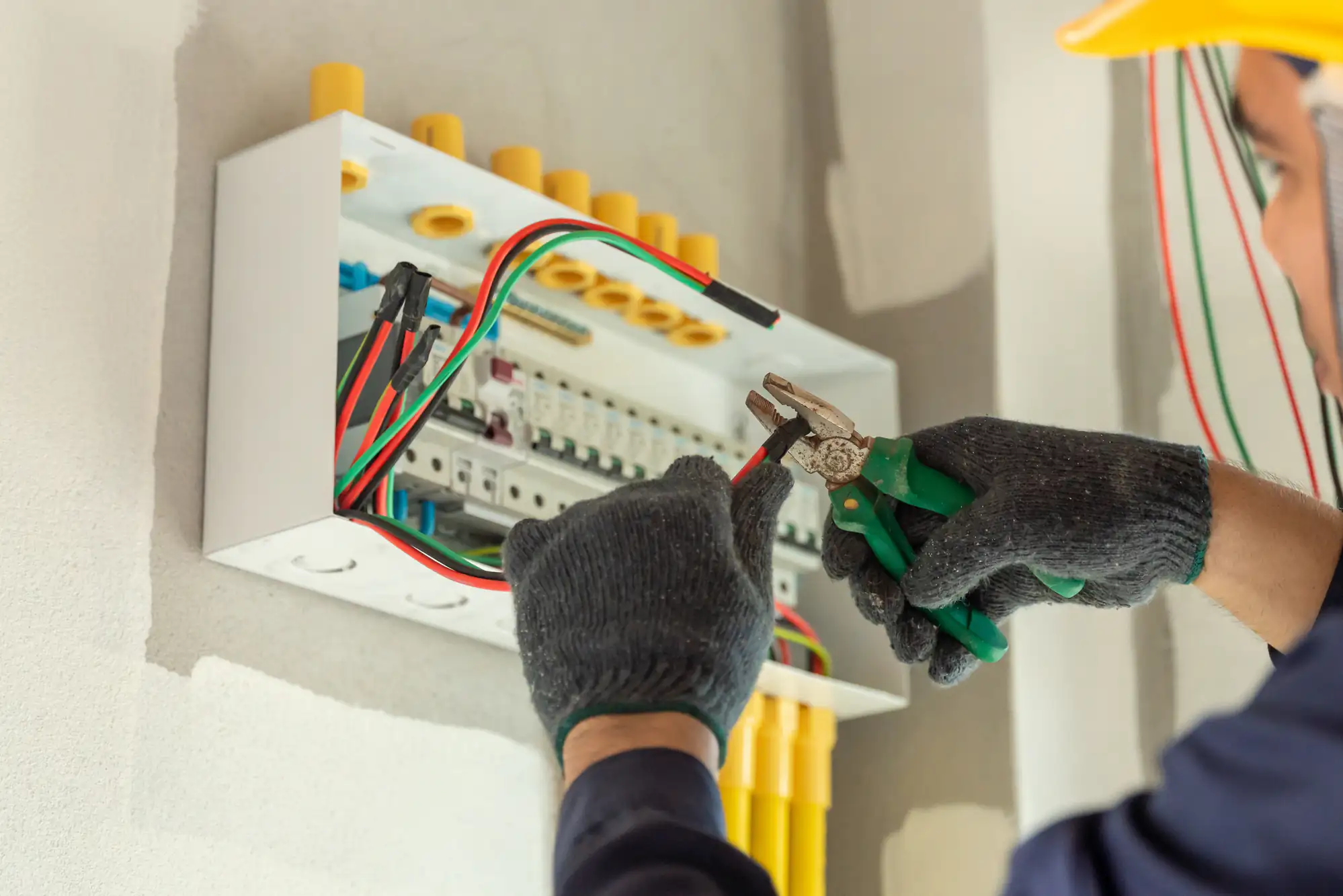
Flickering lights might seem like a minor annoyance, but they’re often the first visible sign of a problem that’s getting worse behind your walls. Loose connections create resistance. Resistance generates heat. Over time, that heat damages wire insulation and creates conditions for electrical fires. When wiring deteriorates—particularly common in older homes—the risk of arcing increases. Arcing is responsible for more than 28,000 home fires every year, causing hundreds of deaths and over $700 million in property damage.
Burning smells are even more urgent. When electrical components overheat, the plastic insulation around wires begins to melt. That distinctive odor is your warning that something is actively degrading. Electrical fires can reach temperatures of 1,100°F in just three and a half minutes. They also produce toxic fumes that are dangerous to breathe. If you smell burning near outlets, switches, or your panel, don’t wait to see if it goes away on its own. Turn off power to that circuit if you can safely access your breaker box, and get a professional electrician out to inspect it immediately.
Warm or hot outlets and switches fall into the same category. Outlets should never feel warm when you touch them. If they do, it typically means loose connections, overloaded circuits, or damaged wiring behind the wall. All of these generate heat, and heat is what starts fires. Discolored or scorched outlets—the ones with brown or black marks around the plug slots—show that overheating has already happened. These outlets need to be replaced, and the wiring behind them needs inspection to figure out why they overheated in the first place.
Buzzing or crackling sounds coming from outlets, switches, or your electrical panel signal loose connections or electrical arcing. When electricity jumps between loose wires, it creates both sound and heat. This doesn’t fix itself. Left alone, arcing can ignite surrounding materials and start a fire inside your walls. If you hear unusual sounds from your electrical system, treat it seriously and schedule a home electrical safety inspection with a licensed professional.
What frequent circuit breaker trips really mean
Circuit breakers exist to protect you. When they trip, they’re cutting power before wires overheat and cause damage or fires. But if your breakers trip frequently, something’s wrong. It could be an overloaded circuit, a short circuit, a ground fault, or a worn-out breaker that’s no longer doing its job properly.
Overloaded circuits happen when you’re pulling more power through a circuit than it’s designed to handle. Plug too many devices into the same circuit—especially high-wattage appliances like space heaters, hair dryers, or kitchen appliances—and the breaker trips to prevent overheating. Older homes in Brooklyn, NY often have 60 or 100-amp panels that simply can’t support the electrical demands of modern living. If you’re constantly resetting breakers, your home might need a panel upgrade to safely handle your household’s power needs.
Short circuits are more dangerous. They occur when a hot wire touches a neutral wire, creating a sudden surge of electricity. This surge generates intense heat and can cause sparks, smoke, and fires. Signs of a short circuit include a tripped breaker, burning smell, or scorch marks near outlets. If you suspect a short circuit, don’t keep resetting the breaker. Call an electrician to diagnose and fix the wiring problem before it escalates into something worse.
Ground faults happen when electricity takes an unintended path to the ground—usually through water or, in the worst cases, through a person. This is exactly why GFCI outlets are required in kitchens, bathrooms, and outdoor areas. If your home doesn’t have GFCI protection in moisture-prone areas, you’re at risk of electrical shock. A professional electrical inspection will identify where GFCI outlets should be installed and make sure your home meets current electrical safety codes.
Worn-out breakers can also cause circuit breaker issues. Breakers aren’t designed to trip constantly. Repeated tripping wears down the internal mechanisms, and eventually the breaker may fail to trip when it should—leaving your home unprotected from overloads and potential fires. If a breaker feels hot, won’t stay reset, or trips immediately after being turned on, it needs replacement. An electrical inspection evaluates your entire panel and identifies breakers that are no longer functioning the way they should.
Want live answers?
Connect with a Electrified expert for fast, friendly support.
Why Older Brooklyn Homes Face Higher Electrical Risks
Brooklyn’s charm comes from its historic architecture—brownstones, pre-war buildings, and century-old homes with character you won’t find in newer construction. But those same homes often have electrical systems that were never designed for how people live today.
Homes built before the 1970s frequently have outdated wiring that can’t safely handle modern appliances, computers, smart home devices, and charging stations. Many still contain knob-and-tube wiring, aluminum wiring, or cloth-insulated wiring—all of which pose serious fire risks. If your home hasn’t had an electrical upgrade in decades, you’re living with infrastructure that was built for a few light bulbs and maybe a toaster, not for the electrical load of a modern household.
Older wiring deteriorates over time. Insulation becomes brittle and cracks, exposing live wires. Connections loosen from decades of thermal expansion and contraction. Moisture and pests cause damage. DIY repairs by previous owners often introduce new hazards without anyone realizing it. All of this happens behind your walls where you can’t see it, which is exactly why professional residential electrical services and inspections matter so much.
Outdated wiring types still found in Brooklyn buildings
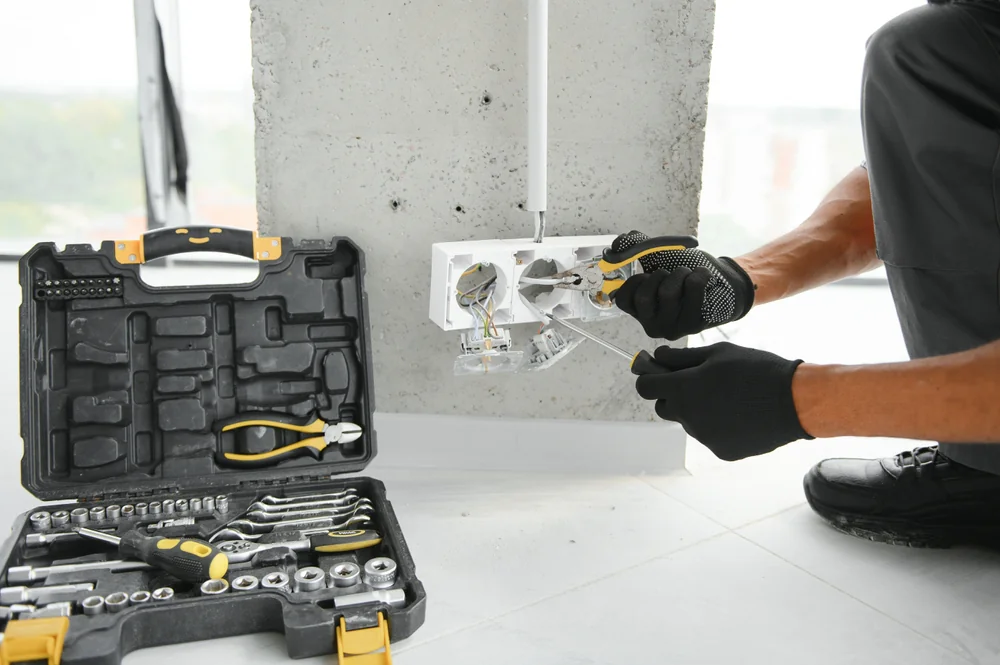
Knob-and-tube wiring was used from the 1880s through the 1940s. It consists of wires run through ceramic knobs and tubes, with no grounding wire included in the system. This setup was fine for its time, but it’s not safe by today’s standards. Knob-and-tube lacks the grounding that protects you from electrical shock. The insulation deteriorates over decades, leaving wires exposed. And it simply can’t handle the electrical load that modern homes require. Many insurance companies refuse to cover homes with knob-and-tube wiring still in place, or they charge significantly higher premiums because of the fire risk.
Aluminum wiring became popular in the 1960s and 1970s because it cost less than copper. But aluminum has serious drawbacks that weren’t fully understood at the time. It expands and contracts more than copper with temperature changes, which causes connections to loosen over time. Loose connections create heat. Heat starts fires. Aluminum wiring is estimated to be 55 times more likely to reach fire hazard conditions than copper wiring. If your home has aluminum wiring, it needs evaluation by a licensed electrician. In some cases, the wiring can be made safer with copper connectors and updated outlets. In other cases, complete rewiring is the only safe option.
Cloth-insulated wiring was common in the 1950s. The cloth insulation deteriorates over time, becoming brittle and flaking off the wires. This leaves conductors exposed and creates serious fire and shock hazards. Many cloth-insulated systems also lack a ground conductor, which means you can’t safely use three-prong plugs without upgrading your wiring. If you spot fabric-covered wires in your basement or attic, don’t touch them—call an electrician to inspect your entire system and determine what needs replacing.
Beyond the wiring itself, older homes often have electrical panels that are undersized for modern needs. A 60-amp or 100-amp panel might have been adequate in 1950, but today’s homes typically need 200-amp service to safely power air conditioning, kitchen appliances, computers, and electric vehicle chargers. A thorough electrical inspection will determine whether your panel has the capacity to meet your needs or if an upgrade is necessary to prevent overloads and potential fire hazards.
Hidden electrical hazards in historic Brooklyn properties
Brooklyn’s brownstones and pre-war buildings come with unique challenges that go beyond just old wiring. Many of these homes have been modified over the years by previous owners, contractors, or handymen who didn’t always follow electrical code. You might find spliced wires hidden behind walls, junction boxes that aren’t properly secured, or circuits that were extended without proper planning or permits. These shortcuts create hidden fire hazards that won’t show up until something goes wrong—often catastrophically.
Balloon framing, common in buildings constructed before the 1930s, creates additional fire risks. In balloon-framed buildings, wall cavities run continuously from the basement to the roof with no fire stops between floors. This means that if an electrical fire starts in one area, flames and smoke can spread rapidly through the entire building using those open wall channels. Insulation problems and moisture control issues in these older structures can also affect electrical safety, especially when wiring runs through damp basements or poorly ventilated spaces where corrosion accelerates.
Another concern in historic Brooklyn homes is inadequate outlets for modern living. Homes built before World War II often have just one outlet per room. This forces residents to rely on extension cords and power strips, which creates overload risks and tripping hazards. Modern electrical codes require outlets every 12 feet or within 6 feet of any doorway, specifically to eliminate the need for extension cords in normal use. If you’re constantly juggling power strips to keep your devices running, your home needs additional circuits and outlets to distribute the electrical load safely across your system.
DIY electrical work is another common problem uncovered during inspections of older homes. Well-meaning homeowners or unlicensed contractors often make modifications that violate code and create serious hazards. Improper wire connections, incorrect breaker sizes, missing junction boxes, and ungrounded outlets are all wiring problems that we uncover regularly in Brooklyn, NY properties during professional inspections. Even if everything seems to work fine right now, these hidden issues can cause fires or shocks down the line. A thorough inspection by our licensed electricians will identify these problems and provide a clear plan for bringing your system up to current safety standards.
The good news is that all of these problems are fixable. Rewiring a room, upgrading your panel, adding GFCI protection, and installing additional outlets are all standard residential electrical services that we handle every day. The key is knowing what needs attention, and that starts with a professional electrical inspection that evaluates your entire system.
When to schedule a professional electrical inspection
If you’re experiencing any of the warning signs we’ve covered—flickering lights, burning smells, frequent breaker trips, warm outlets, or buzzing sounds—schedule an inspection right away. Don’t wait for these issues to get worse or hope they’ll resolve on their own. Even if your home seems fine on the surface, regular inspections are smart preventive maintenance. Homes over 25 years old should be inspected every two to three years. Homes over 40 years old need even more frequent attention from a qualified electrician.
An electrical inspection gives you a complete picture of your system’s condition. Our licensed electricians will evaluate your wiring, panel, outlets, switches, and grounding to identify hazards and code violations. You’ll receive a detailed report that prioritizes repairs and explains what needs immediate attention versus what can wait. That information helps you make informed decisions about your home’s safety and budget for necessary upgrades without surprises.
The cost of an inspection—typically $150 to $350 in Brooklyn, NY—is a small investment compared to the cost of fire damage, emergency repairs, or failed home inspections when you’re ready to sell. More importantly, it gives you peace of mind knowing that your family is safe and your electrical system is working the way it should. If you’re noticing warning signs or it’s been years since your last inspection, reach out to us at Electrified to schedule a thorough evaluation of your Brooklyn home’s electrical system.