Whole House Rewiring in Marine Park
Safe, Modern Electrical Systems That Actually Work
Hear from Our Customers
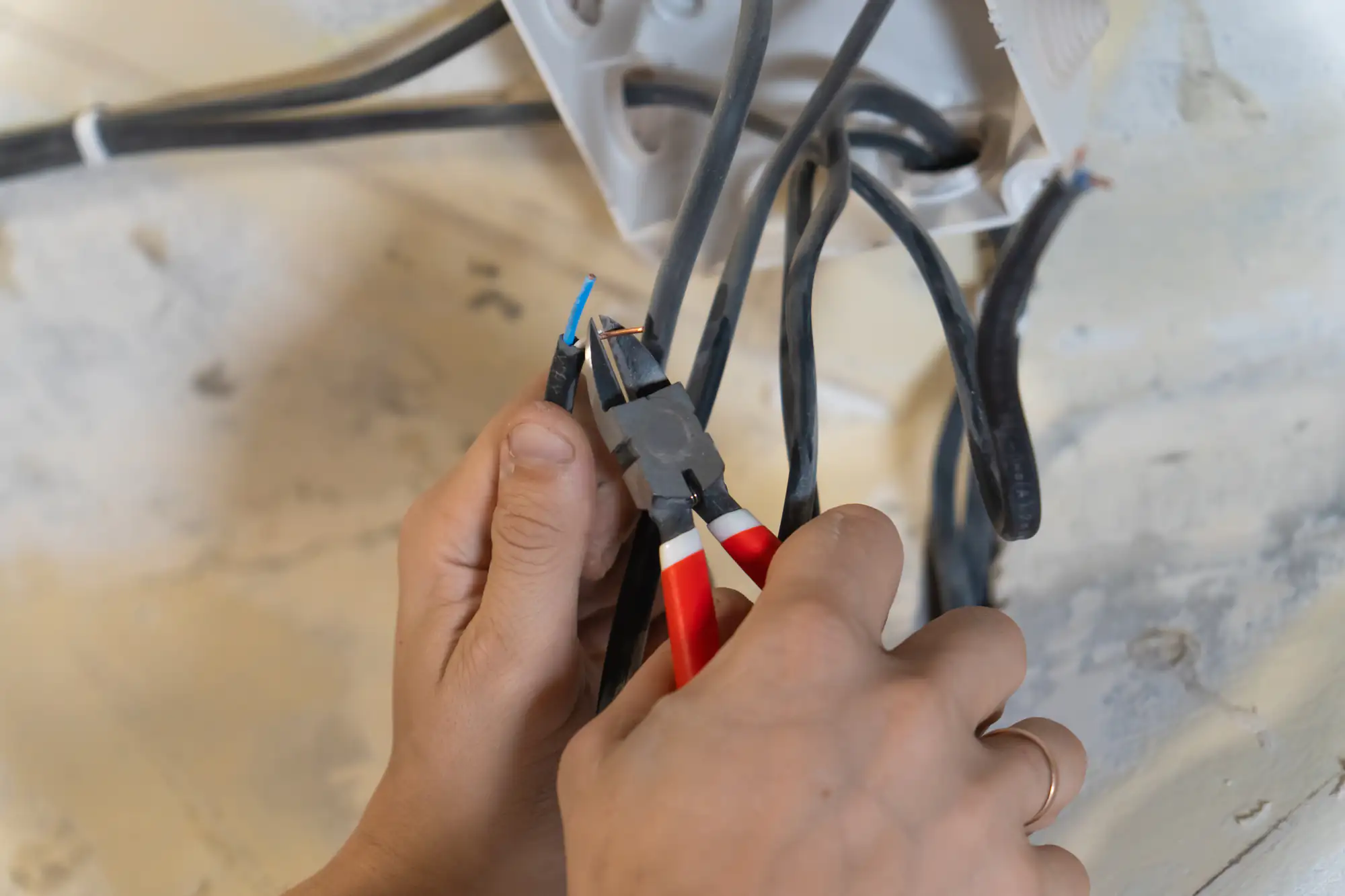
Marine Park Electrical Rewiring Services
You flip switches without wondering if they’ll work. Your outlets handle modern appliances without drama. Circuit breakers stop tripping every weekend.
The constant worry about electrical fires disappears because your home meets current safety codes. Your insurance company stops asking questions about your wiring. You can actually plug in what you need, where you need it.
Most Marine Park homeowners are shocked by how much more reliable their daily routines become when the electrical system actually supports modern life instead of fighting it.
Brooklyn Licensed Electrical Contractors
We’ve been handling electrical work throughout Brooklyn for years, and we’ve seen every type of wiring challenge that Marine Park’s older homes can throw at us. From 1940s cloth wiring to overloaded panels that can’t handle a single air conditioner.
We’re licensed, insured, and we actually understand what it takes to bring a home built in the mid-20th century up to today’s electrical demands. No surprises, no runarounds—just straightforward electrical work that solves the problem the first time.
Our team knows Marine Park’s housing stock well enough to spot potential issues before they become expensive problems.
Whole House Rewiring Process Brooklyn
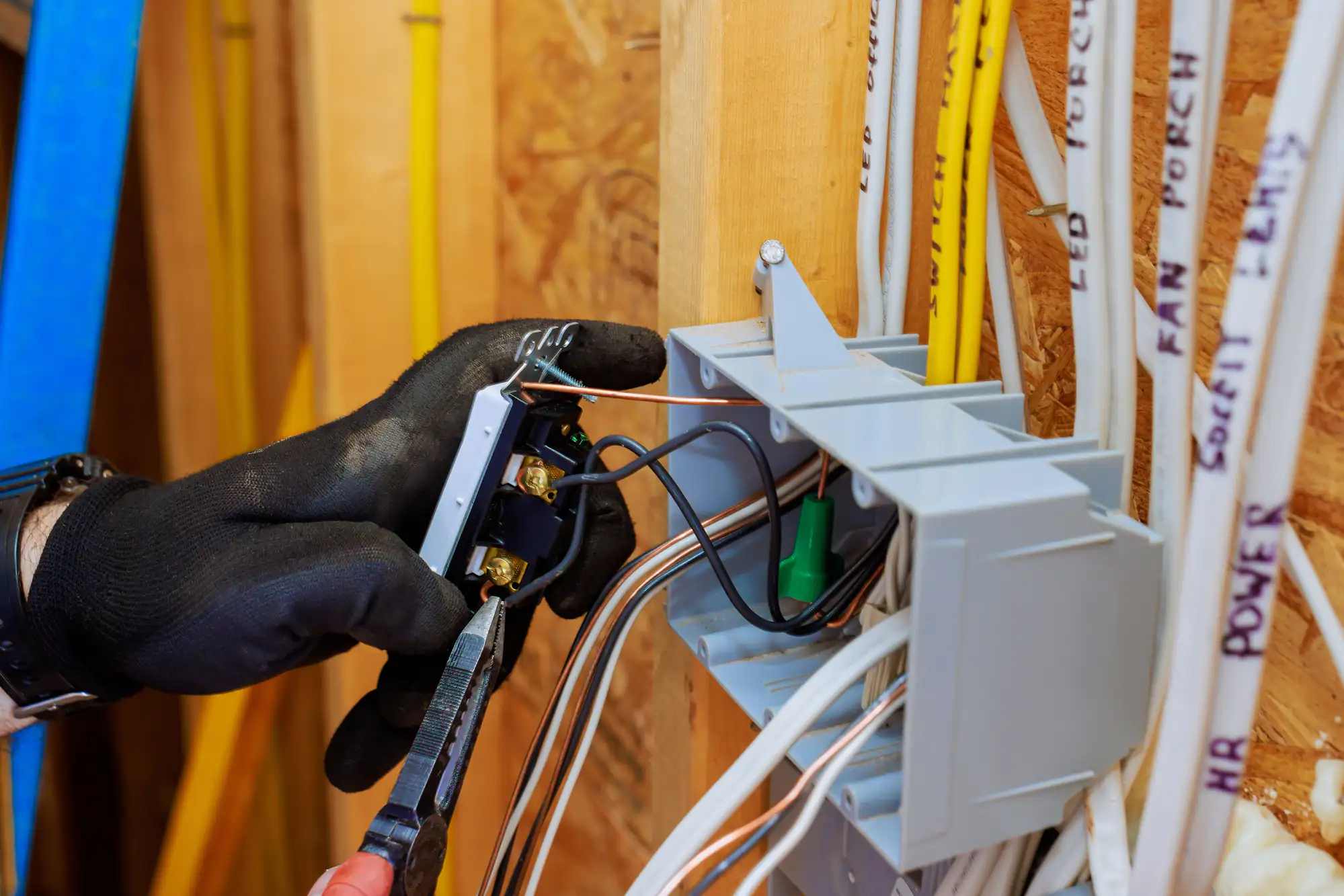
First, we assess your current electrical system and identify what needs to be replaced versus what can stay. Most Marine Park homes built before 1960 need complete rewiring, but we’ll tell you exactly what your house needs.
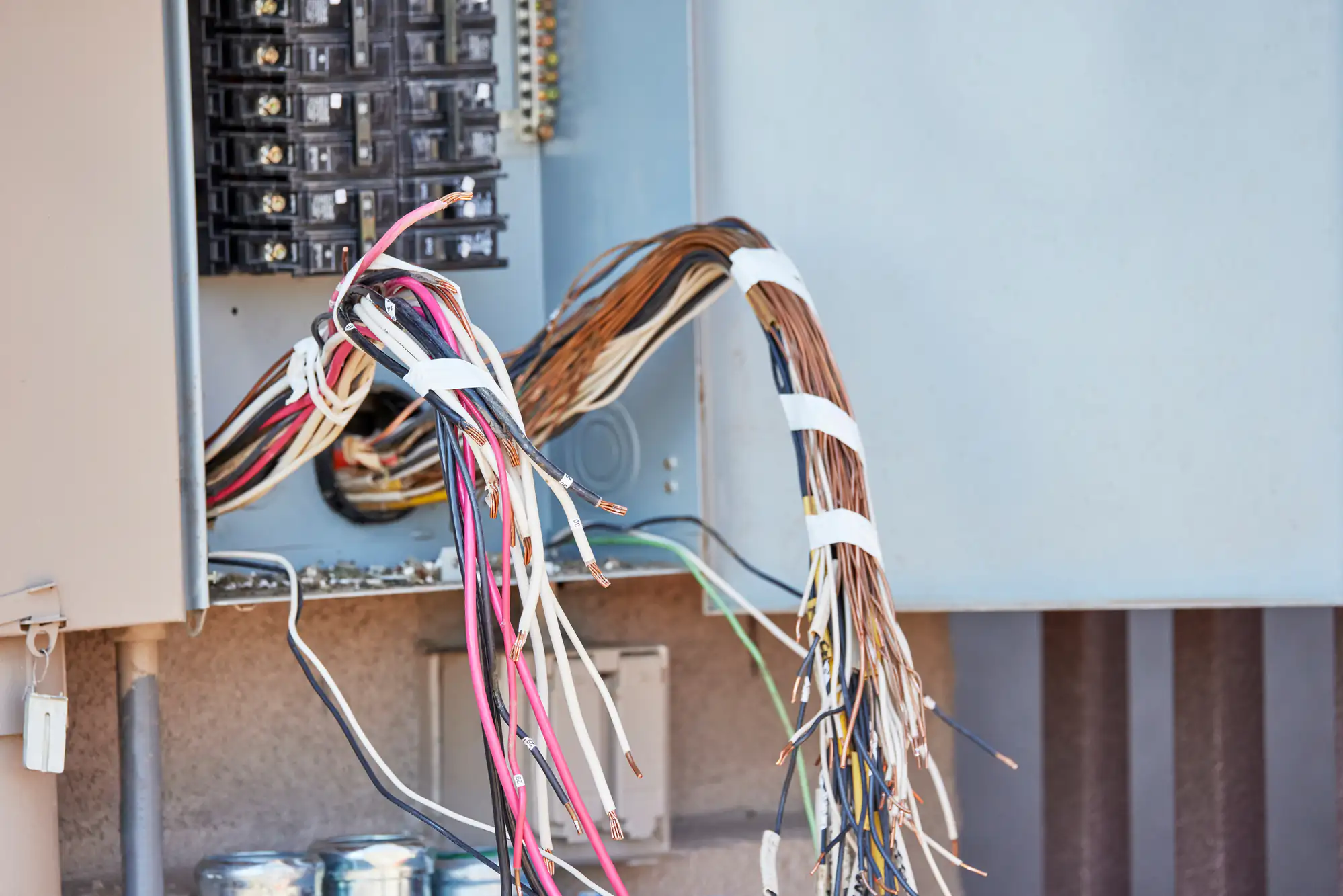
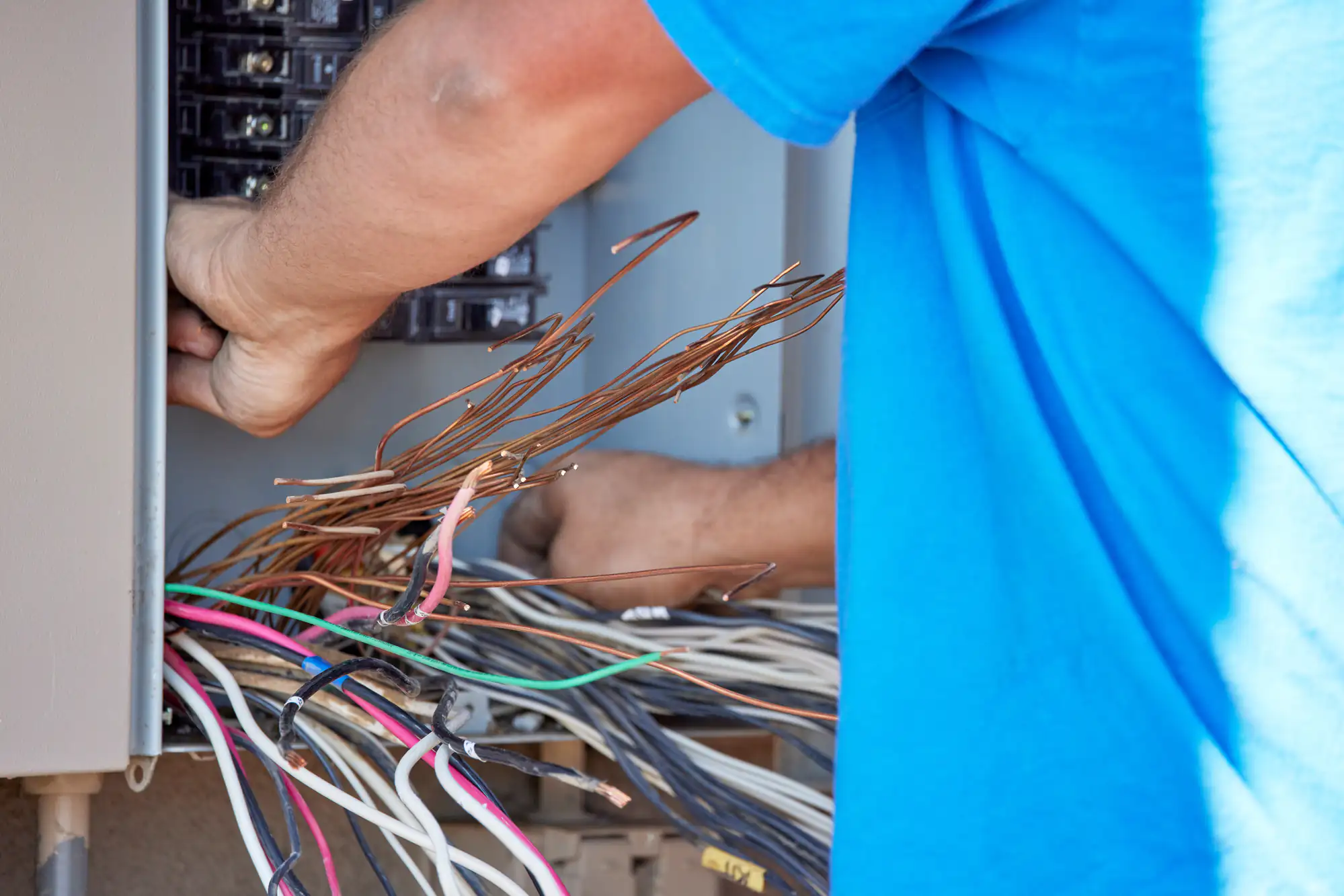
We handle all permits and inspections with the city—no paperwork headaches for you. During the work, we strategically access walls to minimize damage and mess. We run new copper wiring throughout the house, upgrade your electrical panel to handle modern loads, and install GFCI and AFCI protection where required by code.
After installation, the city inspects everything to ensure it meets current safety standards. You get a system that’s built to last and actually supports how you live today.
Ready to get started?
Marine Park Home Rewiring Requirements
Complete rewiring means replacing all the electrical wiring from your panel to every outlet, switch, and fixture. We install new copper wiring, upgrade your electrical panel to 200-amp service if needed, and add dedicated circuits for major appliances.
Marine Park homes typically need GFCI outlets in kitchens, bathrooms, and outdoor areas, plus AFCI protection in bedrooms and living areas. We ensure your home has enough outlets to meet current code—typically every 12 feet along walls, which is far more than most older homes have.
The work includes whole-house surge protection, proper grounding throughout the system, and all necessary permits and inspections. Your finished system meets NYC electrical codes and gives you the capacity to handle modern electrical demands without constant breaker trips.
How much does whole house rewiring cost in Marine Park?
Rewiring costs in Marine Park typically range from $8,000 to $25,000 depending on your home’s size and complexity. Most Marine Park homes are between 1,200-2,000 square feet, putting them in the $12,000-$20,000 range for complete rewiring.
The final cost depends on factors like whether your electrical panel needs upgrading, how accessible your wiring is, and whether you’re doing the work during a renovation (which costs less) or in a finished home. We provide detailed estimates that break down exactly what you’re paying for.
Homes built before 1950 often need additional work like panel upgrades and dedicated circuits, which affects the total investment.
How long does rewiring take in a Marine Park home?
Most Marine Park homes take 3-7 days for complete rewiring, depending on size and complexity. A typical 1,500 square foot home usually takes 4-5 days if the work is straightforward.
The timeline can extend if we encounter unexpected issues like old knob-and-tube wiring that’s more extensive than initially visible, or if structural modifications are needed. We work efficiently to minimize disruption to your daily routine.
You’ll have temporary power arrangements during the work, and we coordinate with city inspectors to keep the project moving smoothly without delays.
Do I need permits for rewiring work in Marine Park?
Yes, rewiring work in NYC requires electrical permits, and all work must be performed by a licensed master electrician. The permit process ensures your rewiring meets current safety codes and gets proper inspection.
We handle all permit applications and coordinate with city inspectors—you don’t need to deal with the paperwork. The permit fees are typically $100-$200 and are included in our project estimates.
After completion, the city inspects the work to verify code compliance. This inspection is required before your electrical system can be legally energized and is crucial for insurance and resale purposes.
Will rewiring damage my walls and require repairs?
Some wall access is necessary for rewiring, but we minimize damage through strategic planning and careful work. In most cases, we can fish new wires through existing wall cavities without major demolition.
Areas that typically need wall repair include where we install new outlets, upgrade electrical panels, and run wires to hard-to-reach locations. We coordinate with qualified contractors for any necessary drywall and painting repairs.
If you’re planning any renovation work, rewiring during that time significantly reduces wall damage since the walls are already opened. We always discuss the extent of any necessary repairs upfront so there are no surprises.
Why do older Marine Park homes need rewiring?
Most Marine Park homes were built in the 1940s-1950s with electrical systems designed for much lower power demands. These systems can’t safely handle modern appliances, electronics, and lighting without constant breaker trips or worse—fire risks.
Older wiring types like cloth-wrapped wiring and knob-and-tube systems are no longer code-compliant and pose serious safety hazards. Insurance companies often require rewiring for coverage, and outdated systems can affect your home’s value and marketability.
Modern electrical codes require GFCI and AFCI protection, proper grounding, and sufficient circuit capacity—none of which older systems provide. Rewiring brings your home up to current safety standards while supporting how you actually live today.
Can I stay in my home during the rewiring process?
Most homeowners can stay in their homes during rewiring, though there will be temporary power interruptions and some inconvenience. We work room by room when possible and provide temporary power solutions for essential needs.
You’ll have limited electrical service during the work—we typically maintain power to refrigerators and a few essential outlets. The main panel upgrade requires a full power shutdown, usually lasting 4-8 hours depending on utility coordination.
We schedule the work to minimize disruption and keep you informed about when power will be off. Some homeowners prefer to stay elsewhere during the panel upgrade day, but it’s not usually necessary for the entire project.
Local Resources
Other Services we provide in Marine Park