Whole House Rewiring in Gerritsen Beach, NY
Finally, Electrical That Actually Works
Hear from Our Customers
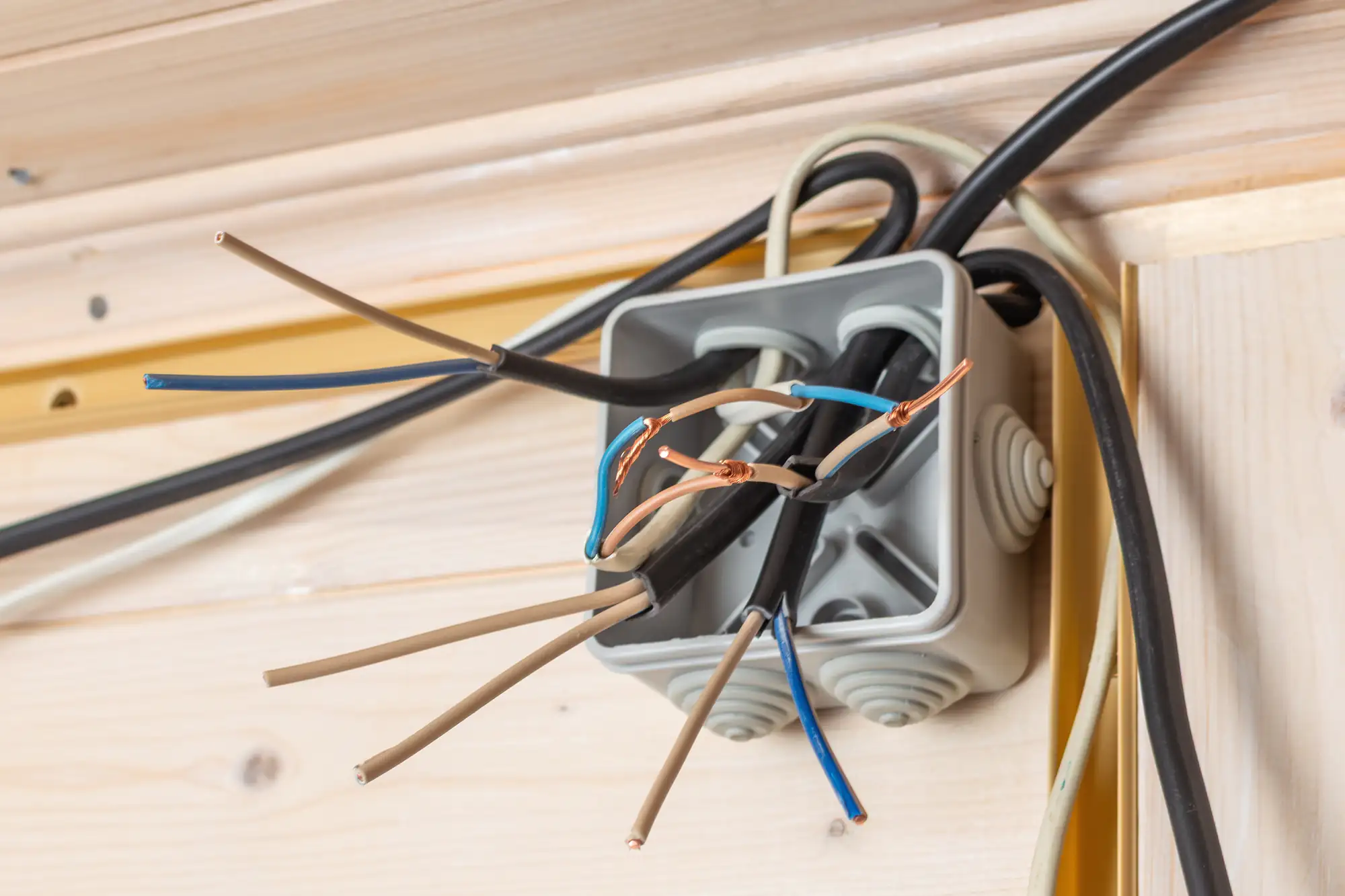
Brooklyn Home Electrical Rewiring
No more flickering lights when you turn on the microwave. No more tripped breakers every time you run the dishwasher and dryer together. No more worrying about whether your 1940s wiring can handle your family’s actual electrical needs.
When your electrical system works properly, everything just flows. Lights stay steady, outlets deliver consistent power, and you can use your appliances without playing electrical Tetris. Your home insurance company stops sending those letters about coverage concerns, and you sleep better knowing your family’s safe.
That’s what happens when outdated wiring gets replaced with a modern, properly designed electrical system that meets current NYC codes and actually supports how you live today.
Licensed Gerritsen Beach Electricians
Electrified has been handling electrical work throughout Brooklyn for years, and we understand exactly what Gerritsen Beach homeowners deal with. Many homes here date back to the 1940s and 1950s, which means original wiring that wasn’t designed for modern electrical demands.
We’ve rewired everything from post-war bungalows to waterfront homes that survived Hurricane Sandy, working with the unique challenges that come with older Brooklyn properties. Licensed, insured, and experienced with NYC electrical codes, we handle the permitting process and coordinate with building departments so you don’t have to.
Our team focuses on clear communication and honest assessments. We’ll tell you what needs to be done, why it matters for your safety, and what it will actually cost upfront – no surprises or hidden fees.
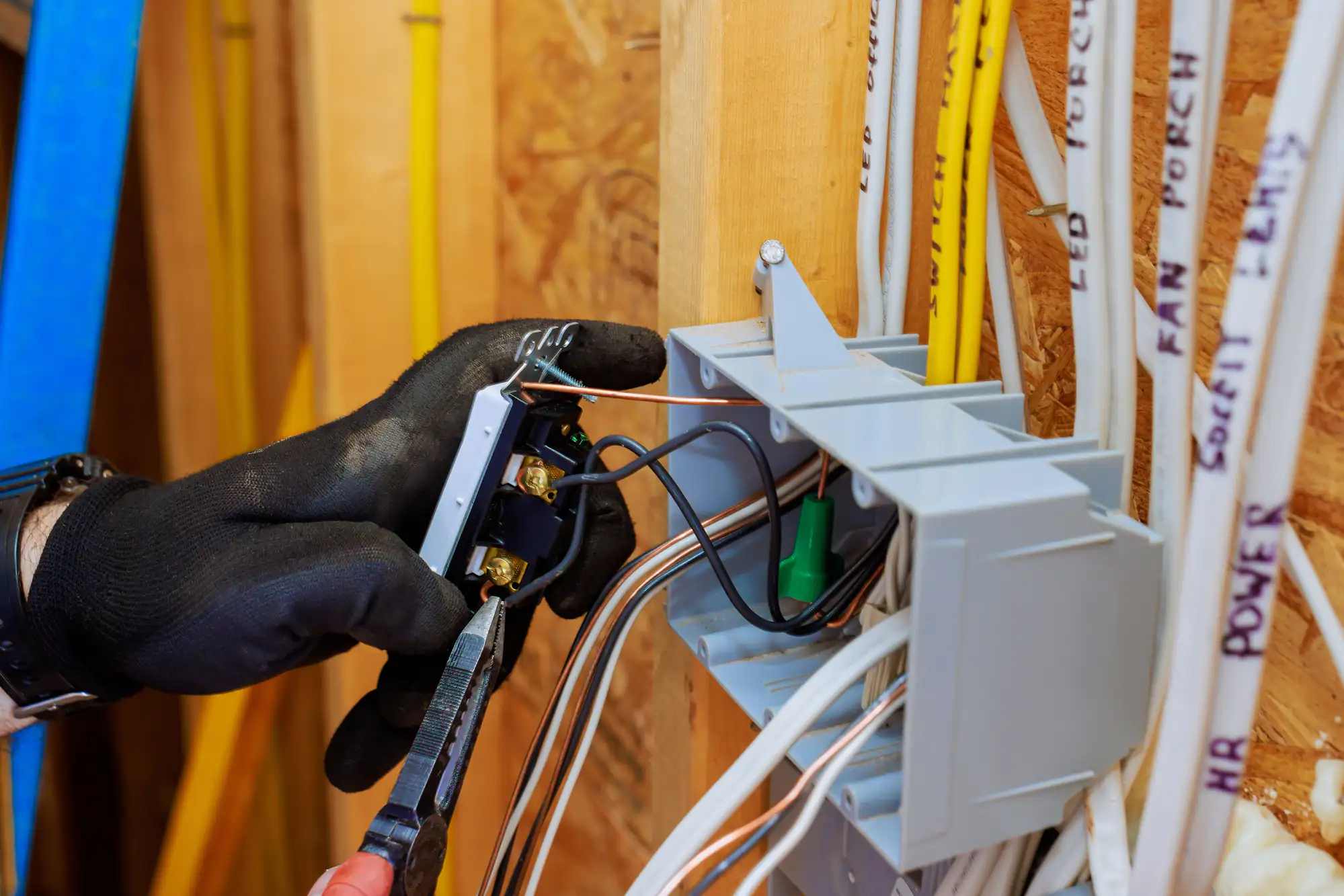
Home Rewiring Process Brooklyn
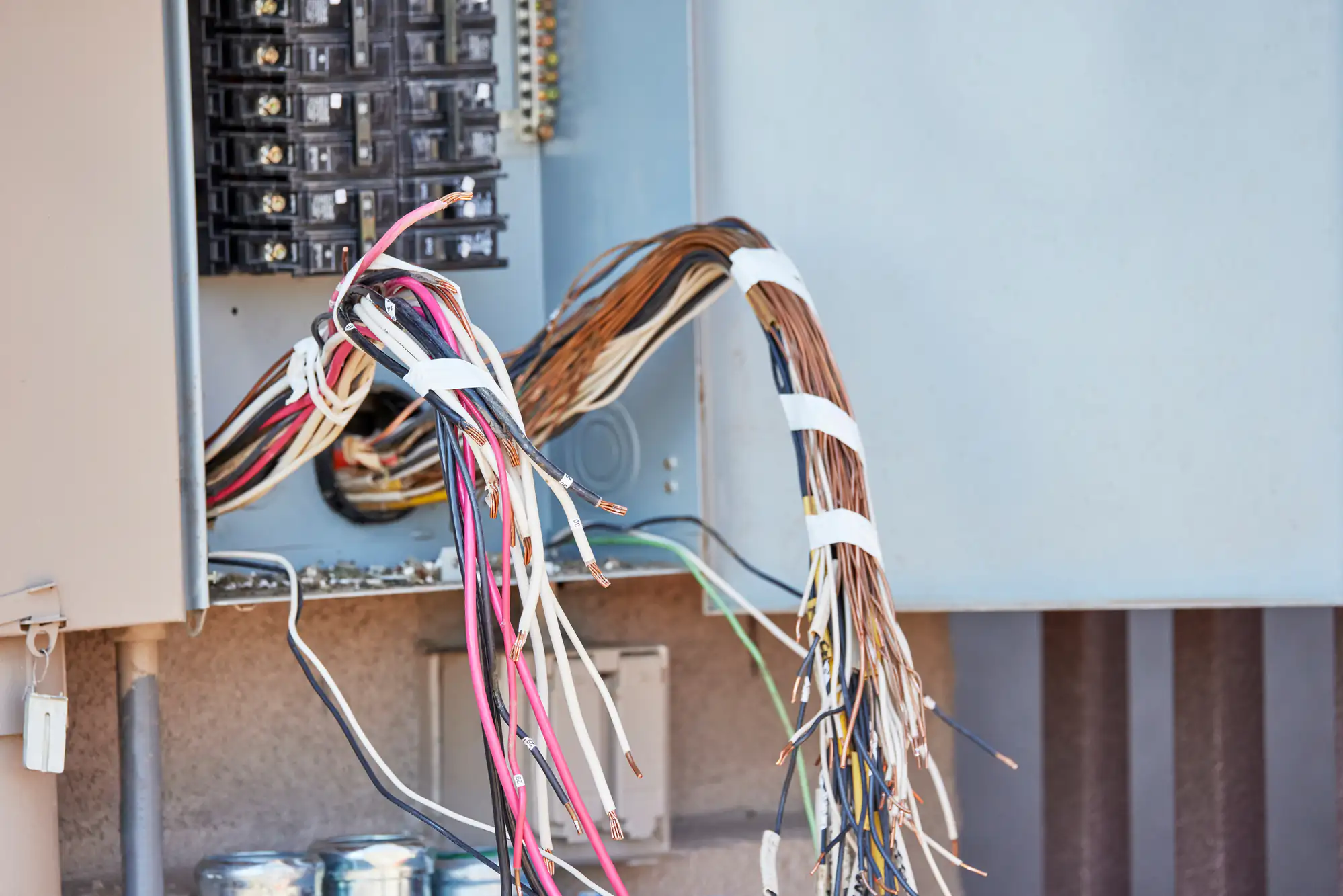
First, we assess your current electrical system to understand what’s working, what’s not, and what needs to be brought up to code. This includes checking your panel, examining existing wiring, and identifying any safety concerns like knob-and-tube or aluminum wiring that insurance companies won’t cover.
Next comes planning the new electrical layout. We design circuits that can handle your actual electrical load, plan outlet and switch locations, and determine if you need a panel upgrade to support modern appliances and HVAC systems. Everything gets planned to minimize disruption to your daily routine.
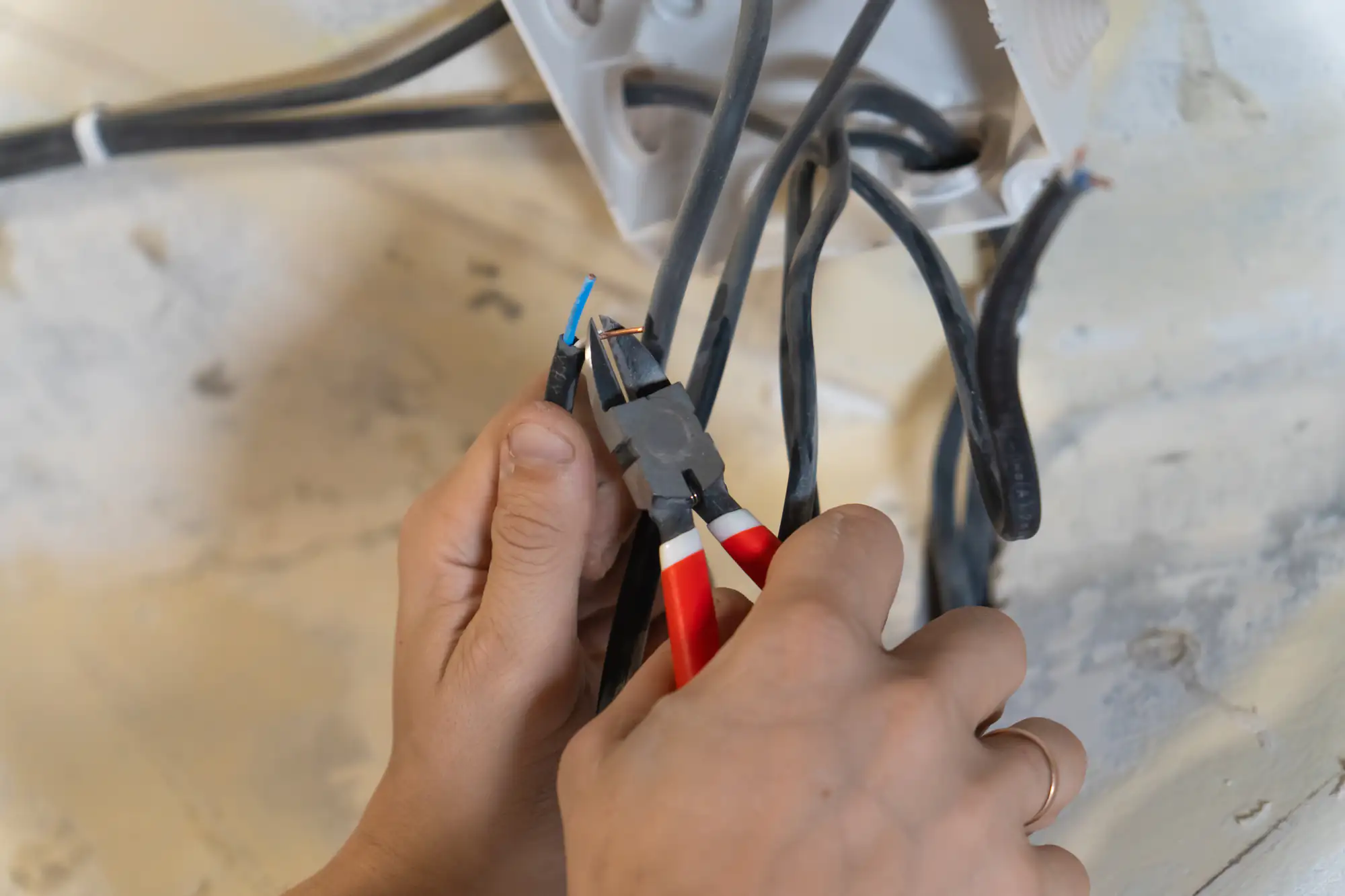
The actual rewiring involves temporarily shutting off power section by section, opening walls as needed, and running new copper wiring throughout your home. We install new outlets, switches, and GFCI protection where required by code. Finally, we connect everything to a new or upgraded electrical panel, test all circuits, and arrange for city inspection to ensure everything meets NYC electrical standards.
Ready to get started?
Brooklyn Electrical Code Compliance
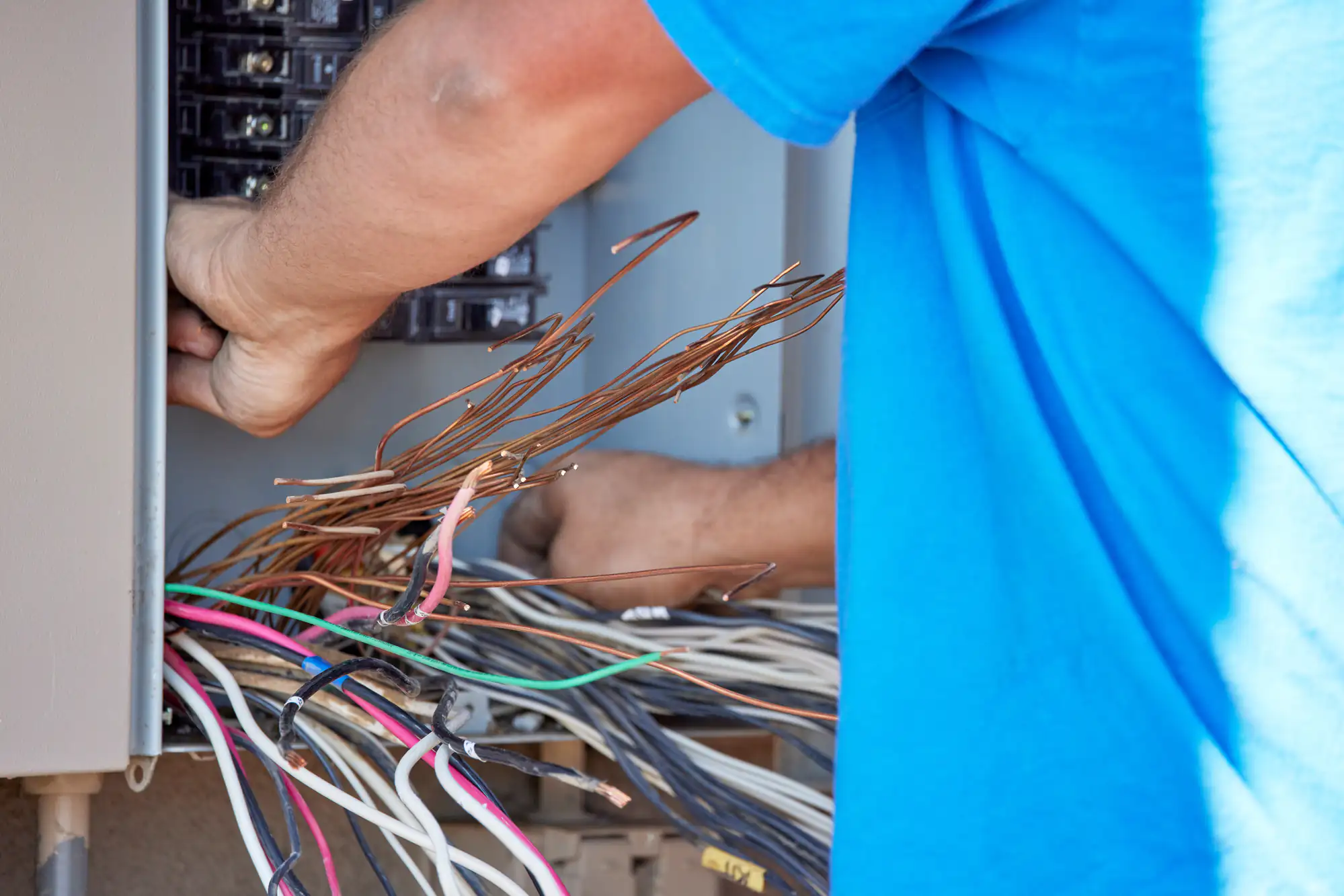
Complete whole house rewiring means replacing all the old wiring with modern copper conductors that can handle today’s electrical demands. This includes installing proper grounding throughout your home, which many older Gerritsen Beach properties lack entirely.
You get GFCI outlets in kitchens, bathrooms, and outdoor areas for safety, plus AFCI protection to prevent electrical fires from damaged wiring. Dedicated circuits for major appliances prevent overloads, and a 200-amp service panel gives you capacity for future electrical needs like EV charging or smart home systems.
In Gerritsen Beach, where many homes were built in the post-war housing boom, this often means dealing with knob-and-tube wiring or early aluminum wiring that insurance companies simply won’t cover. Modern rewiring eliminates these concerns and ensures your electrical system meets current NYC codes, which is essential if you’re planning any renovations or simply want to use modern appliances safely.
How do I know if my Gerritsen Beach home needs rewiring?
If your home was built before 1970, there’s a good chance the electrical system needs updating. Look for obvious signs like flickering lights, frequently tripped breakers, or outlets that feel warm to the touch – these aren’t normal and indicate real problems.
Check your electrical panel – if you still have a fuse box instead of circuit breakers, that’s a clear indicator your system is outdated. Two-prong outlets throughout the house mean no grounding, which is both a safety concern and a code issue. Knob-and-tube wiring, common in homes built before 1950, is considered obsolete and potentially dangerous by modern standards.
Insurance companies often require electrical updates for older homes, and you might have trouble getting coverage if your wiring doesn’t meet current standards. A licensed electrician can assess your system and tell you exactly what needs to be addressed for safety and code compliance.
What does whole house rewiring cost in Brooklyn?
Rewiring costs in Brooklyn typically range from $8,000 to $25,000 for most homes, depending on size, complexity, and what needs to be upgraded. The price includes materials, labor, permits, and inspection fees – everything needed for a complete, code-compliant installation.
Factors that affect cost include the age and condition of your current wiring, whether you need a panel upgrade, how accessible your walls are, and if you’re doing this as part of a larger renovation. Homes with knob-and-tube or aluminum wiring often require more extensive work since everything needs to be replaced.
Most electricians provide detailed estimates after assessing your specific situation. While rewiring is a significant investment, it’s essential for safety and often required by insurance companies for older homes. Plus, it adds real value to your property and ensures you can safely use modern appliances and technology without constant electrical issues.
How long does rewiring a house take in NYC?
Most whole house rewiring projects in Brooklyn take 2-6 weeks, depending on the size of your home and complexity of the work. Smaller homes or apartments might be completed in closer to two weeks, while larger properties or those with challenging access can stretch longer.
The timeline includes time for permits, which your electrician typically handles, and scheduling city inspections. If you’re doing rewiring as part of a larger renovation, the electrical work gets coordinated with other trades to minimize disruption and keep the project moving smoothly.
You’ll have temporary power outages during certain phases of the work, but experienced electricians plan these carefully to minimize inconvenience. We’ll let you know exactly when power will be off and for how long, so you can plan accordingly and avoid any surprises.
Do I need permits for electrical rewiring in Brooklyn?
Yes, whole house rewiring requires electrical permits from the NYC Department of Buildings. This isn’t optional – it’s required by law and necessary for safety, insurance, and resale purposes.
Licensed electricians typically handle the permitting process as part of our service. We know exactly what documentation is needed, how to file properly, and how to coordinate with city inspectors. Permit fees usually range from $100-200, though complex projects might cost more.
The inspection process ensures your new electrical system meets current NYC codes and is installed safely. Don’t try to skip permits – unpermitted electrical work can cause serious problems when you try to sell your home or file an insurance claim. Working with a licensed contractor who handles permits properly protects you from these headaches down the road.
Can I live in my home during rewiring?
Most homeowners can stay in their homes during rewiring, though there will be some inconvenience. You’ll have temporary power outages while we work on specific circuits or connect to the main panel, but these are planned and communicated in advance.
We plan the work to minimize disruption, often working room by room so you maintain power in most of the house. We’ll coordinate with you on timing for major shutoffs and let you know when to expect dust or noise from opening walls to access wiring.
If you’re combining rewiring with a major renovation, you might want to consider temporary housing since multiple trades working simultaneously can make the home less livable. We can advise you on what to expect based on the scope of work and your specific situation.
Will rewiring increase my home's value in Gerritsen Beach?
Yes, updating your electrical system typically increases home value and makes your property much more attractive to buyers. Modern, code-compliant wiring is something buyers specifically look for, especially in older Brooklyn neighborhoods where electrical issues are common.
Beyond value, updated wiring often reduces insurance premiums and makes coverage easier to obtain. Many insurance companies charge higher rates or refuse coverage altogether for homes with outdated electrical systems like knob-and-tube or aluminum wiring – problems that are common in Gerritsen Beach’s older housing stock.
Updated electrical systems also support modern appliances, smart home technology, and electric vehicle charging – features that today’s buyers expect and are willing to pay for. While rewiring is a significant investment, it pays dividends in safety, functionality, and marketability when it’s time to sell.
Local Resources
Other Services we provide in Gerritsen Beach