
Whole House Rewiring in Ditmas Park
Your Victorian Home Deserves Safe Power
Hear from Our Customers
Professional Electrical Rewiring Ditmas Park
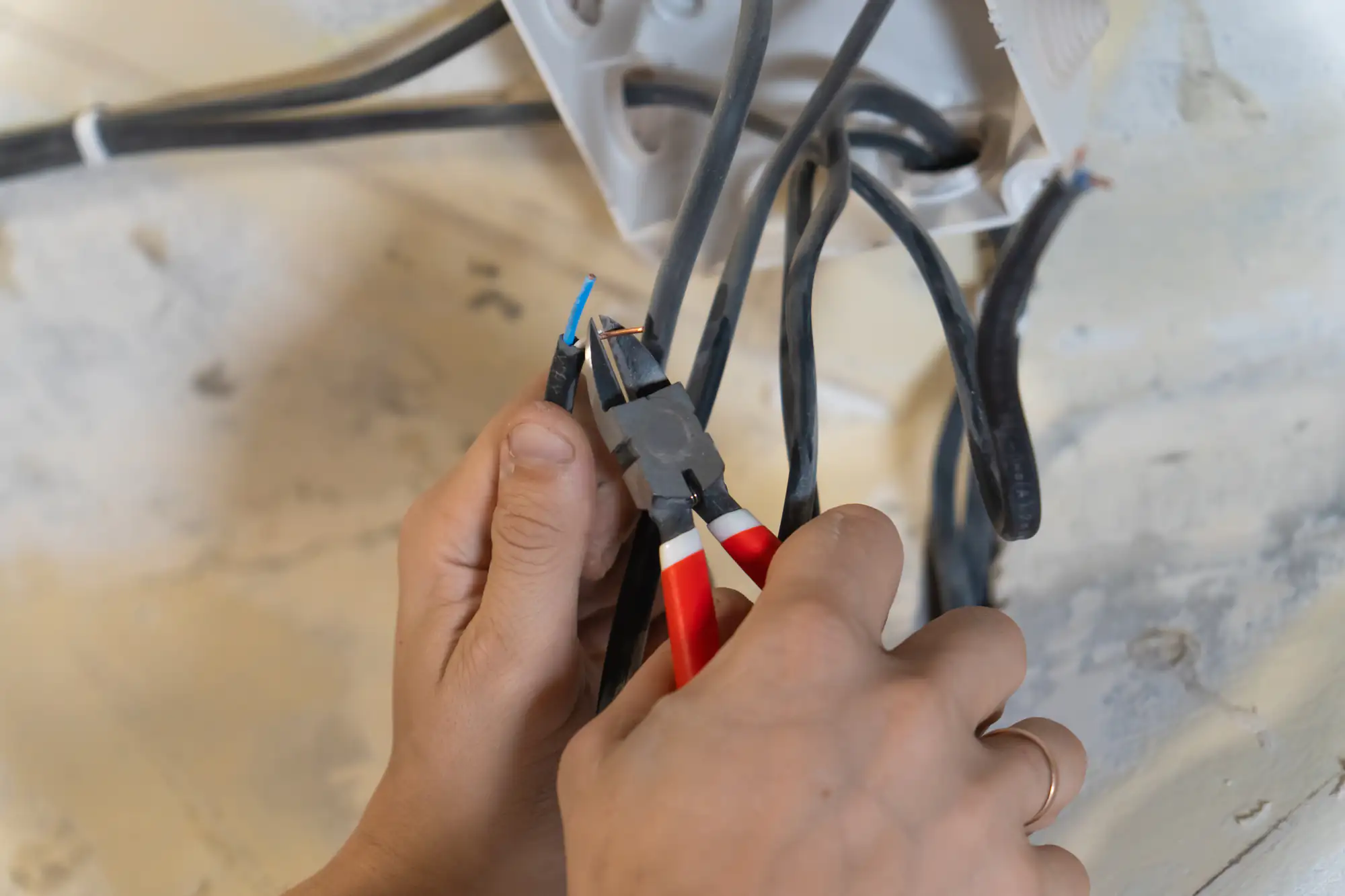
You’ll actually sleep soundly knowing your family isn’t at risk from century-old wiring that was never designed for today’s electrical demands. No more flickering lights when you turn on the microwave. No more tripped breakers when you run multiple appliances.
Your home will finally support everything you want—from smart thermostats to electric vehicle charging—without the constant worry about overloading circuits or starting fires. Modern copper wiring with proper grounding protects both your family and your expensive electronics.
Insurance companies love updated electrical systems, often reducing your premiums significantly. More importantly, your home’s value increases substantially when buyers see they won’t need to tackle a major rewiring project themselves.
Ditmas Park Electrical Contractors
We’ve spent years learning the ins and outs of Ditmas Park’s Victorian homes. We know where the original electrical systems hide, how to work around century-old plaster, and which techniques preserve your home’s architectural integrity while bringing it up to modern safety standards.
Most electrical contractors see these old houses as problems to solve quickly. We see them as treasures that deserve careful, skilled work. Every Queen Anne, Colonial Revival, and Tudor home in this neighborhood has taught us something new about balancing historic preservation with modern electrical needs.
Local homeowners call us because we show up on time, explain what we’re doing in plain English, and clean up after ourselves. We’re not trying to be the cheapest—we’re focused on being the contractor you’ll recommend to your neighbors when they need their Victorian home rewired properly.
Home Rewiring Process Brooklyn NY
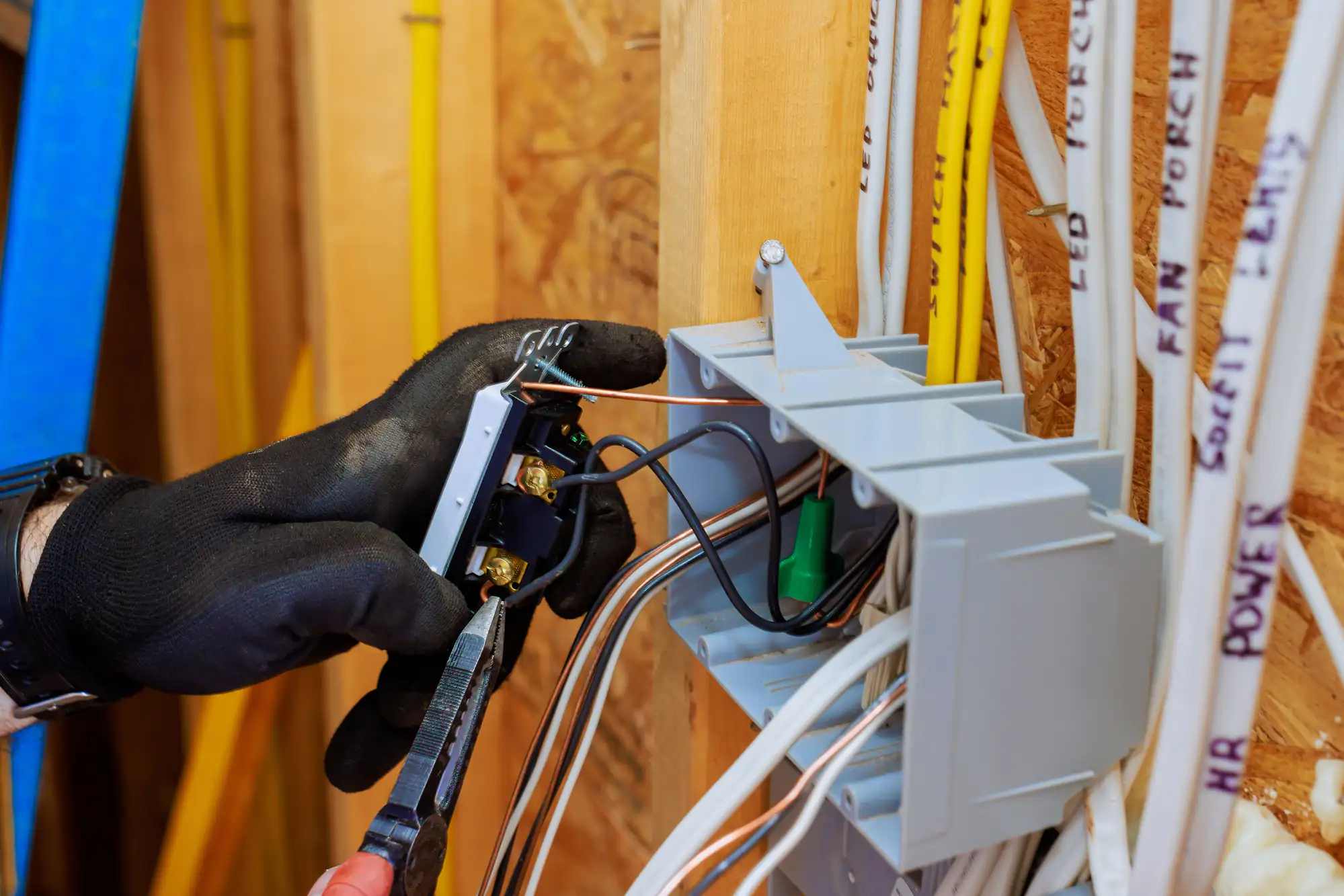
We start by mapping your entire electrical system—from that ancient fuse box in the basement to every outlet and switch throughout your house. You’ll get a clear picture of what’s dangerous, what’s outdated, and what can stay. No technical jargon, just straight talk about what your home needs.
Then we create a rewiring plan that works around your schedule and preserves the details that make your Victorian home special. We’ve learned how to run new wiring through these old houses without destroying original plaster or damaging decorative woodwork.
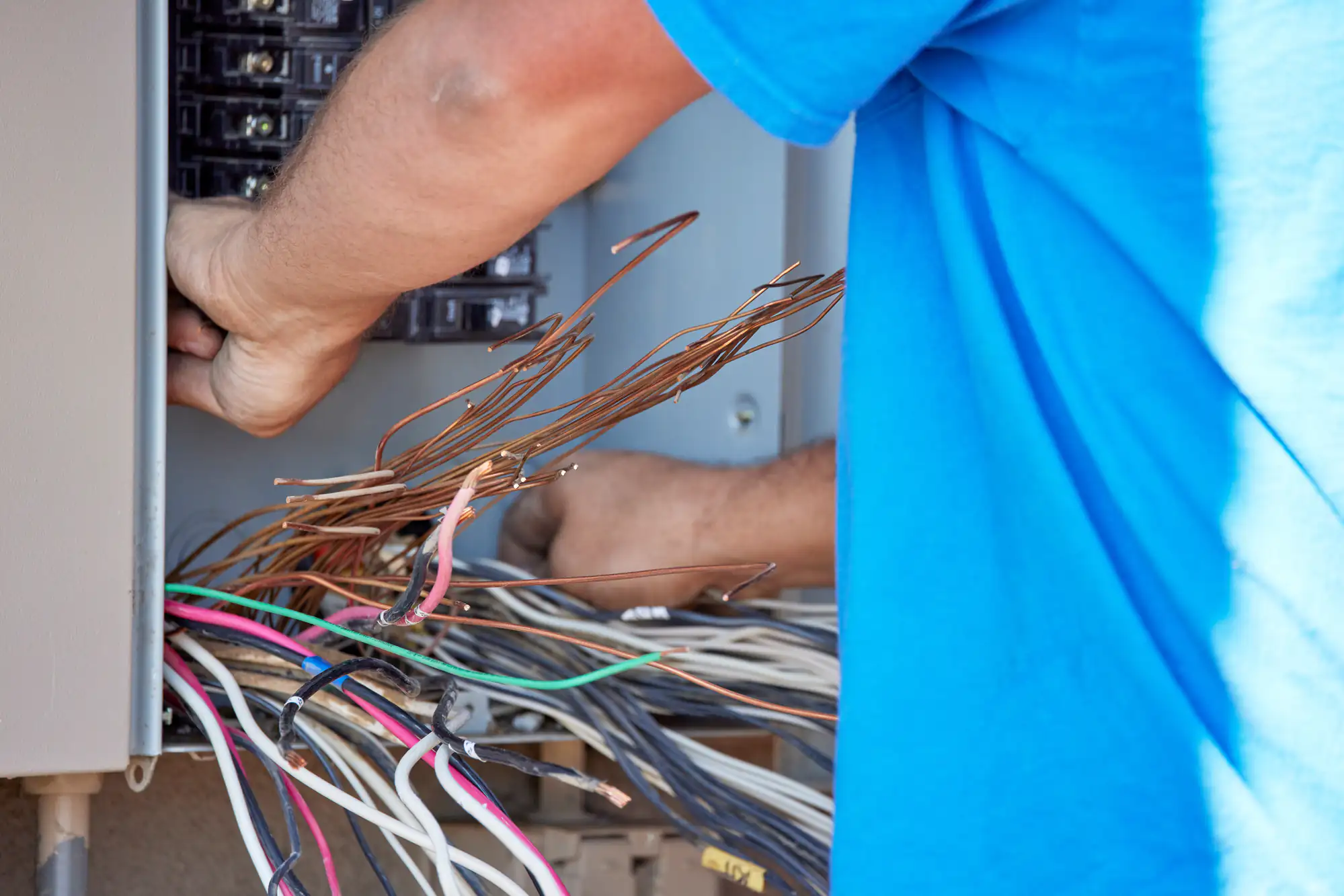
During the actual work, we remove all that old knob-and-tube or cloth wiring and install modern copper wiring throughout your entire home. Your new 200-amp electrical panel will handle anything you throw at it—central air, kitchen appliances, home office equipment, even electric car charging. Every connection gets tested twice, and we handle all permits and inspections so you don’t have to deal with city bureaucracy.
Ready to get started?
Victorian Home Electrical Upgrades Brooklyn
Your whole house rewiring tackles every electrical problem these Victorian homes typically have. We completely remove that dangerous knob-and-tube wiring that’s hiding behind your walls—the stuff that makes insurance companies nervous and creates real fire risks. All new copper wiring gets installed with proper grounding that protects your family and electronics.
The electrical panel upgrade is usually the most dramatic change. Most Ditmas Park homes still have 60 or 100-amp service that was adequate in 1950 but laughably insufficient today. Your new 200-amp panel handles central air conditioning, electric dryers, modern kitchen appliances, and whatever technology comes next.
These old houses need special attention to wiring paths and techniques. We’ve developed methods to run new electrical through century-old construction without damaging the plaster medallions, original hardwood, or decorative trim that makes your home unique. Every project includes all necessary NYC electrical permits and inspections—you get a completely legal, fully compliant electrical system that adds real value to your property.
What does whole house rewiring actually cost in Ditmas Park?
Expect to invest between $15,000 and $35,000 for complete whole house rewiring in most Ditmas Park Victorian homes. The final cost depends on your home’s square footage, how much original wiring needs removal, and whether you’re combining electrical work with other renovations.
Here’s what drives the cost: Victorian homes require extra care to preserve architectural details, which takes more time than rushing through a basic ranch house. You’re also paying for proper permits, inspections, and the expertise to work around century-old construction without causing damage.
The investment pays for itself quickly through lower insurance premiums, increased home value, and the peace of mind that comes with knowing your electrical system won’t burn your house down. We provide detailed written estimates that break down every cost—no surprises or hidden fees after we start work.
Can you rewire without destroying my Victorian home's original features?
Absolutely, and this is exactly why experience with historic homes matters so much. We’ve developed specific techniques for running new wiring through Victorian-era construction while preserving original plaster, decorative moldings, and architectural details that give these homes their character.
Most of the time, we can use existing pathways or find creative routes that avoid visible damage entirely. When we do need to open walls, we work with skilled craftsmen who can restore plaster and woodwork to match the original appearance perfectly.
The key is planning and patience. Contractors who rush through these jobs leave homeowners with damaged walls and destroyed millwork. We take the time to do it right because we understand these homes are irreplaceable pieces of Brooklyn’s architectural history. Your house will look exactly the same when we’re done—it’ll just be infinitely safer.
How long will my family be without power during rewiring?
You’ll have power in most of your house throughout the entire project. We work on one section at a time, so you might lose power to your kitchen for a day while we rewire that area, but your bedrooms and living areas stay functional.
The only time your entire house loses power is during the final electrical panel installation, which typically takes 4-6 hours. We schedule this work at your convenience and restore power the same day.
Most whole house rewiring projects take 7-10 business days in Victorian homes, depending on size and complexity. We coordinate our work around your schedule—if you work from home, we can prioritize keeping your office powered. If you have young children, we make sure essential areas stay functional throughout the process.
Is my knob and tube wiring really that dangerous?
It’s genuinely dangerous, and here’s why: knob-and-tube wiring has no ground wire, which means no protection against electrical shock or power surges. The cloth and rubber insulation deteriorates over decades, exposing bare wires that can spark fires inside your walls.
Insurance companies understand the risks—many won’t cover homes with knob-and-tube wiring at all, while others charge significantly higher premiums. If you’re planning to sell, most mortgage lenders require electrical updates before approving buyer financing.
Beyond safety, this old wiring simply can’t handle modern life. It was designed for a few light bulbs and maybe a radio, not laptops, microwaves, air conditioners, and smart home systems. Every time you plug in a modern appliance, you’re pushing that old wiring beyond its safe capacity.
What electrical codes apply to rewiring in Brooklyn?
All electrical work in Brooklyn must comply with the New York City Electrical Code, which is based on the National Electrical Code but includes specific local requirements. This covers everything from wire types and circuit protection to outlet placement and grounding requirements.
As licensed electrical contractors, we handle all permit applications through the NYC Department of Buildings and coordinate required inspections throughout your project. The permits ensure your work meets current safety standards and protect you legally if issues arise later.
Code compliance isn’t just bureaucracy—it’s what keeps your family safe and your home insurable. Modern electrical codes require GFCI protection in bathrooms and kitchens, AFCI protection throughout living areas, and proper grounding that wasn’t standard when your Victorian home was built. We make sure every aspect of your new electrical system meets or exceeds current requirements.
Should I rewire if I'm planning other renovations?
Definitely coordinate electrical work with other major renovations—it’s much more cost-effective and less disruptive when walls are already open. You’ll save thousands in labor costs and avoid the mess of opening finished walls twice.
If you’re planning kitchen or bathroom renovations, new wiring should happen first. Modern kitchens need dedicated circuits for appliances, and bathrooms require GFCI protection that might not exist in your current system. Getting the electrical right from the start prevents problems later.
We work closely with general contractors, plumbers, and other trades to coordinate timing and avoid conflicts. When everyone works together on a planned schedule, your renovation goes smoother, finishes faster, and costs less than tackling projects separately. Just make sure your electrical contractor understands historic homes—not every electrician knows how to work around century-old construction properly.
Local Resources
Other Services we provide in Ditmas Park