Whole House Rewiring in Coney Island
Safe, Code-Compliant Electrical Systems
Hear from Our Customers
Brooklyn Home Electrical Upgrades
Your lights stop flickering. Outlets work reliably without sparking or overheating. Circuit breakers stop tripping every time you run the dishwasher and microwave together.
You can finally plug in all your devices without worrying about overloading circuits. Modern appliances run efficiently instead of struggling with inadequate power supply. Your home insurance company stops flagging your electrical system as a liability.
Most importantly, you sleep better knowing your family isn’t at risk from outdated wiring that could cause a fire. The constant electrical headaches disappear, replaced by a system built for how you actually live today.
Licensed Coney Island Electricians
We’ve been serving Brooklyn homeowners with reliable electrical services, specializing in the unique challenges of older homes throughout Coney Island and surrounding neighborhoods. Our licensed and insured team understands local building codes and the specific electrical issues that affect homes built in the mid-20th century.
Living in Coney Island means dealing with housing stock that often predates modern electrical demands. Our electricians have worked extensively with the area’s mix of apartment buildings, single-family homes, and converted properties, understanding how to navigate everything from NYCHA developments to private residences near the boardwalk.
We combine technical expertise with clear communication, ensuring homeowners understand exactly what work is needed and why. This straightforward approach has built lasting relationships with families throughout Brooklyn’s coastal communities.
Home Rewiring Process Brooklyn
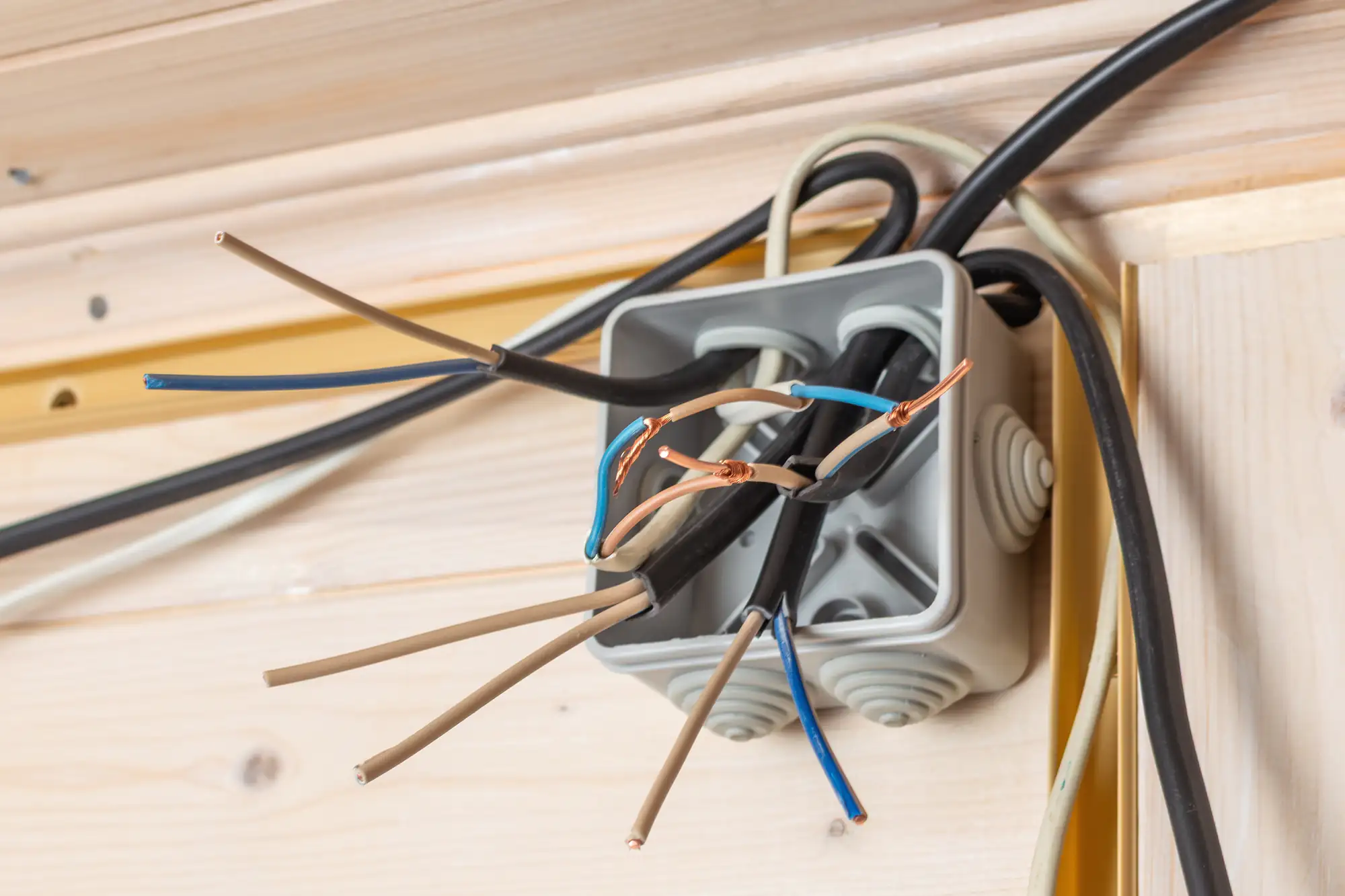
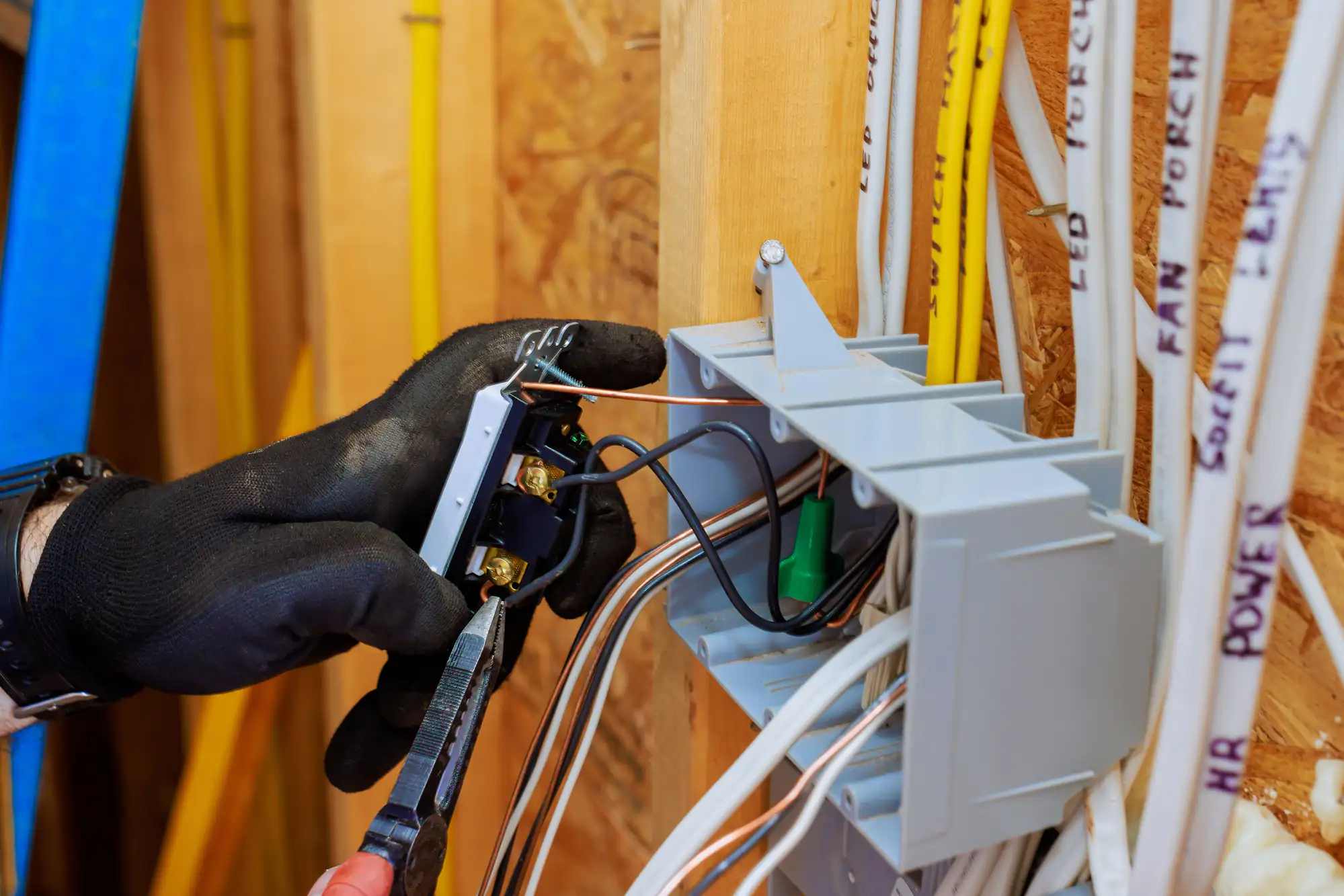
The process starts with a thorough inspection of your current electrical system. Our electricians examine your panel, check existing wiring conditions, and identify safety issues or code violations that need addressing.
Next comes planning and permitting. We design a new electrical layout that meets your household’s power needs while complying with NYC electrical codes. We handle all permit applications and coordinate with city inspectors throughout the project.
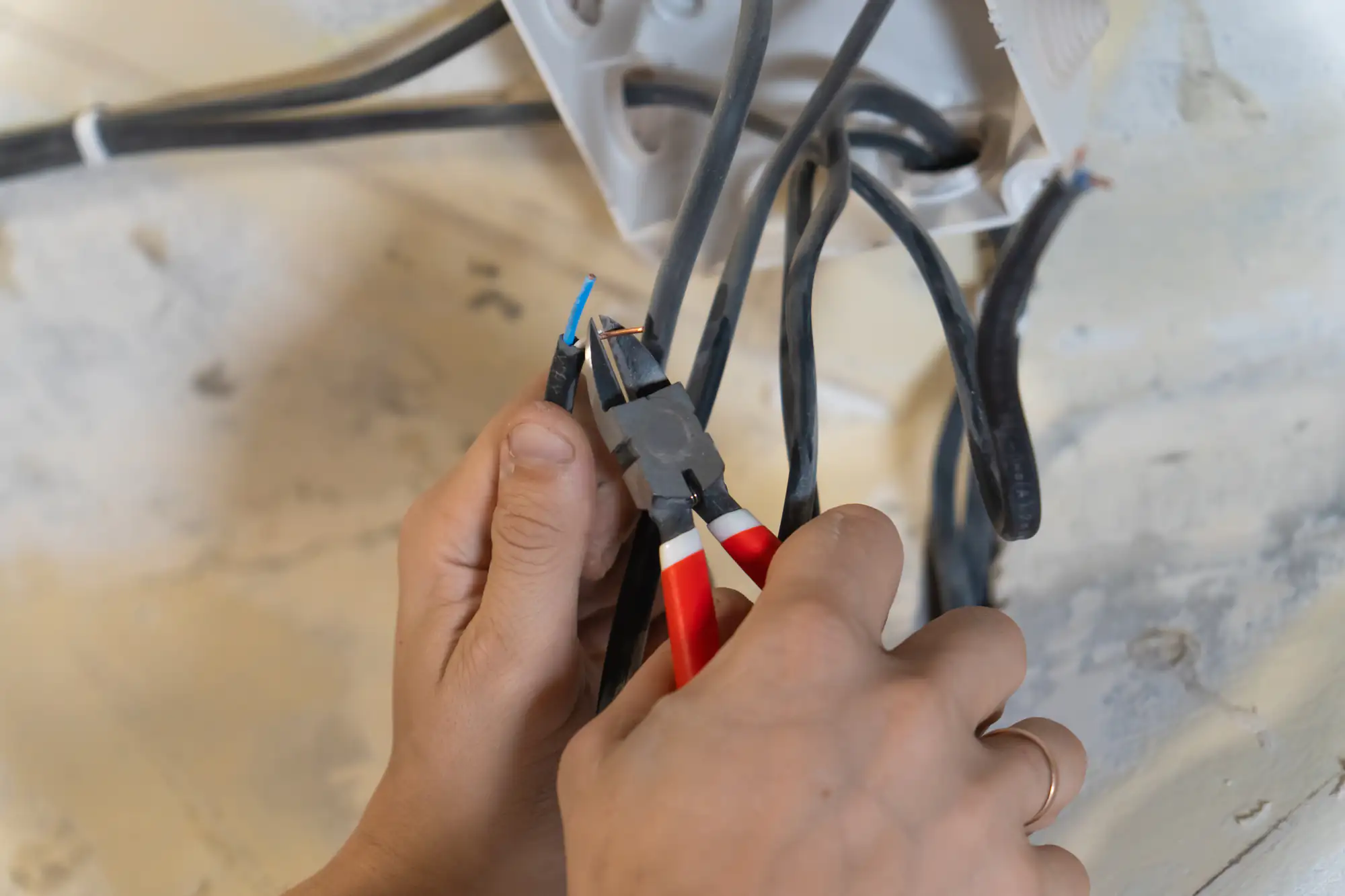
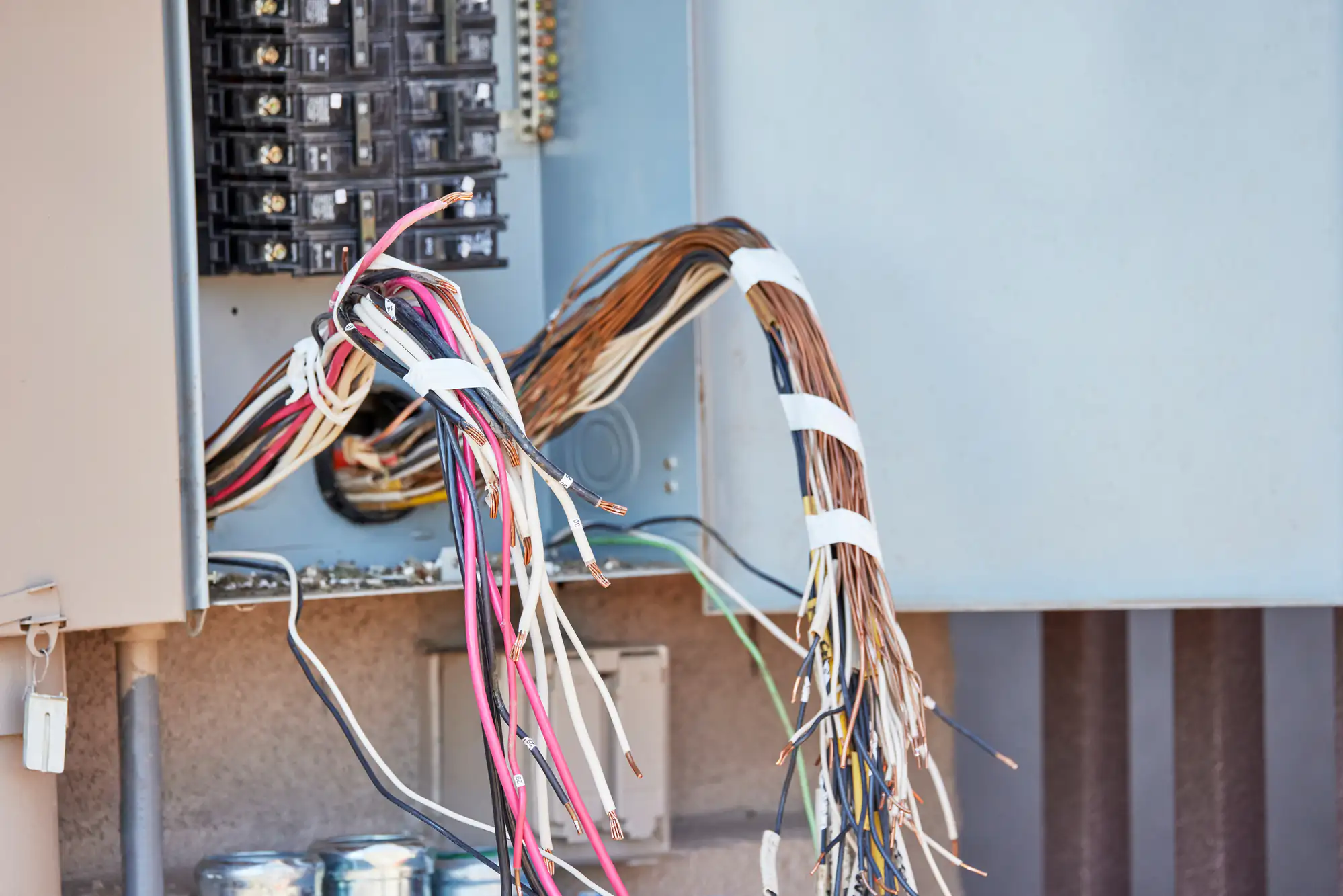
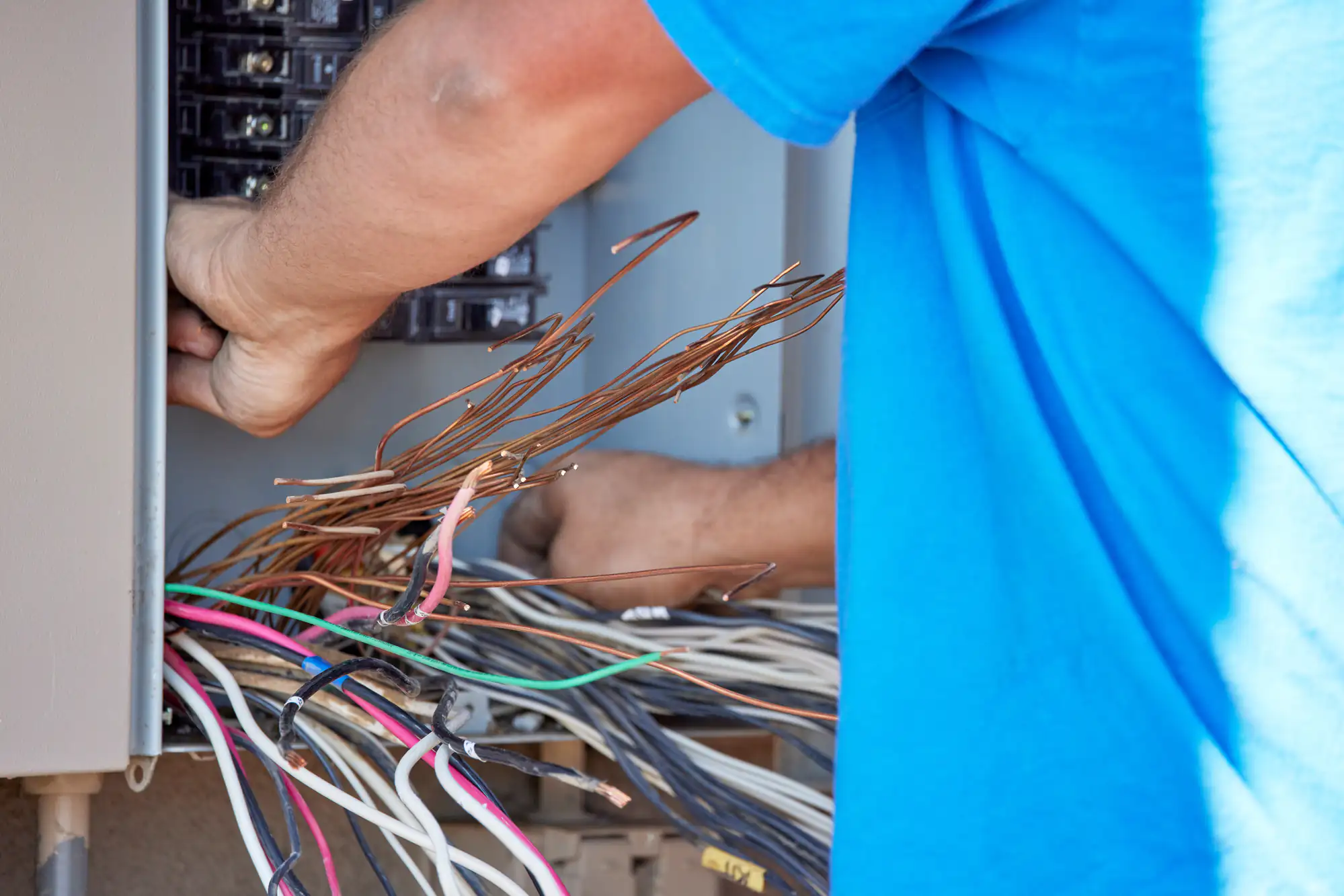
During installation, old wiring gets removed and replaced with modern copper wiring. New circuits are installed to handle today’s electrical loads, and the electrical panel gets upgraded if needed. The work happens systematically, minimizing disruption to your daily routine while ensuring every connection meets safety standards.
Ready to get started?
Coney Island Electrical Code Compliance
Whole house rewiring in Coney Island addresses the specific challenges of coastal Brooklyn homes. Many properties in the area were built when electrical demands were much lower, before central air conditioning, multiple electronics, and modern appliances became standard.
Our service includes complete removal of outdated wiring, installation of new copper wiring throughout the home, and electrical panel upgrades to handle increased power loads. GFCI outlets get installed in bathrooms, kitchens, and outdoor areas as required by current codes. New circuits are added to eliminate overloading and reduce fire risk.
Coney Island’s proximity to the ocean means electrical systems face additional challenges from salt air and humidity. Our rewiring service accounts for these environmental factors, using appropriate materials and installation techniques that stand up to coastal conditions. All work comes with proper permits and passes required city inspections.
How much does whole house rewiring cost in Coney Island?
Whole house rewiring in Coney Island typically costs between $8,000 and $25,000, depending on your home’s size and complexity. Most Brooklyn homes fall in the $2 to $4 per square foot range for complete rewiring.
The final cost depends on factors like your home’s square footage, the condition of existing wiring, whether your electrical panel needs upgrading, and how accessible your walls are. Homes built before 1960 often require more extensive work due to outdated wiring types and insufficient electrical capacity.
We provide detailed estimates that break down all costs upfront. There are no surprise charges, and the estimate includes permits, materials, labor, and any required inspections. Getting multiple quotes helps ensure you’re getting fair pricing for this important safety investment.
How long does whole house rewiring take to complete?
Most whole house rewiring projects in Coney Island take 3 to 7 days to complete, depending on your home’s size and complexity. Single-family homes typically finish faster than multi-unit buildings or homes with difficult access.
The timeline depends on several factors: how much existing wiring needs removal, whether walls need to be opened, if your electrical panel requires upgrading, and how quickly city inspections can be scheduled. Homes with plaster walls or complex layouts may take longer than those with standard drywall construction.
We work efficiently to minimize disruption to your routine. We coordinate the work to keep essential circuits active whenever possible, so you’re not left without power for extended periods. Our team provides a realistic timeline upfront and keeps you updated on progress throughout the project.
Do I need permits for whole house rewiring in Brooklyn?
Yes, whole house rewiring in Brooklyn requires permits from the NYC Department of Buildings. These permits ensure the work meets current electrical codes and passes required safety inspections.
The permit process includes submitting detailed electrical plans, paying permit fees (typically $100-$200 for residential work), and scheduling inspections at various project stages. Only licensed electricians can pull these permits, and the work must be inspected by city officials before it’s considered complete.
We handle all permit applications and coordinate with city inspectors throughout your project. We ensure all work meets NYC electrical code requirements and passes inspections on the first try. Attempting rewiring without permits can create serious problems when selling your home or filing insurance claims.
What are signs my Coney Island home needs rewiring?
Common signs include frequently tripping circuit breakers, flickering lights when appliances turn on, outlets that feel warm to the touch, or a burning smell near electrical panels or outlets. These indicate your electrical system is overloaded or deteriorating.
Homes built before 1970 often have outdated wiring that can’t handle modern electrical demands. If you have knob-and-tube wiring, aluminum wiring, or cloth-insulated cables, rewiring isn’t just recommended—it’s essential for safety. Insurance companies often require updates to these older wiring types.
Other warning signs include getting mild shocks from appliances, having too few outlets (requiring multiple extension cords), or your electrical panel still using fuses instead of circuit breakers. If your home has any of these issues, having a licensed electrician perform an inspection can identify specific safety risks and necessary updates.
Can I live in my home during rewiring work?
Yes, most homeowners can remain in their homes during rewiring, though you’ll experience some temporary inconveniences. We work to keep essential circuits active whenever possible, so you maintain power for refrigeration, lighting, and basic needs.
The work involves opening walls to access old wiring and install new circuits, which creates dust and noise. Some rooms may be temporarily inaccessible while work is happening. You’ll need to plan around having limited electrical access in specific areas as circuits get updated.
We coordinate the work to minimize disruption. We typically complete one section at a time rather than shutting down your entire electrical system. Most families find the temporary inconvenience manageable, especially knowing they’re getting a safer, more reliable electrical system that will serve them for decades.
Will rewiring increase my Coney Island home's value?
Updated electrical systems don’t directly increase home value like kitchen renovations do, but they remove a major barrier to sale and can prevent deal-killers during inspections. Homes with outdated wiring often face buyer objections or require price reductions to account for necessary electrical work.
Modern wiring makes your home more attractive to buyers who won’t need to budget for major electrical updates after purchase. It also demonstrates that the home has been properly maintained and meets current safety standards, which buyers value highly.
Beyond resale considerations, rewiring provides immediate benefits: lower insurance premiums (many insurers charge more for homes with outdated electrical systems), improved safety for your family, and the ability to use modern appliances without electrical issues. These practical advantages often justify the investment regardless of potential value increases.
Local Resources
Other Services we provide in Coney Island