
Whole House Rewiring in Clinton Hill
Safe, Modern Electrical Systems for Your Home
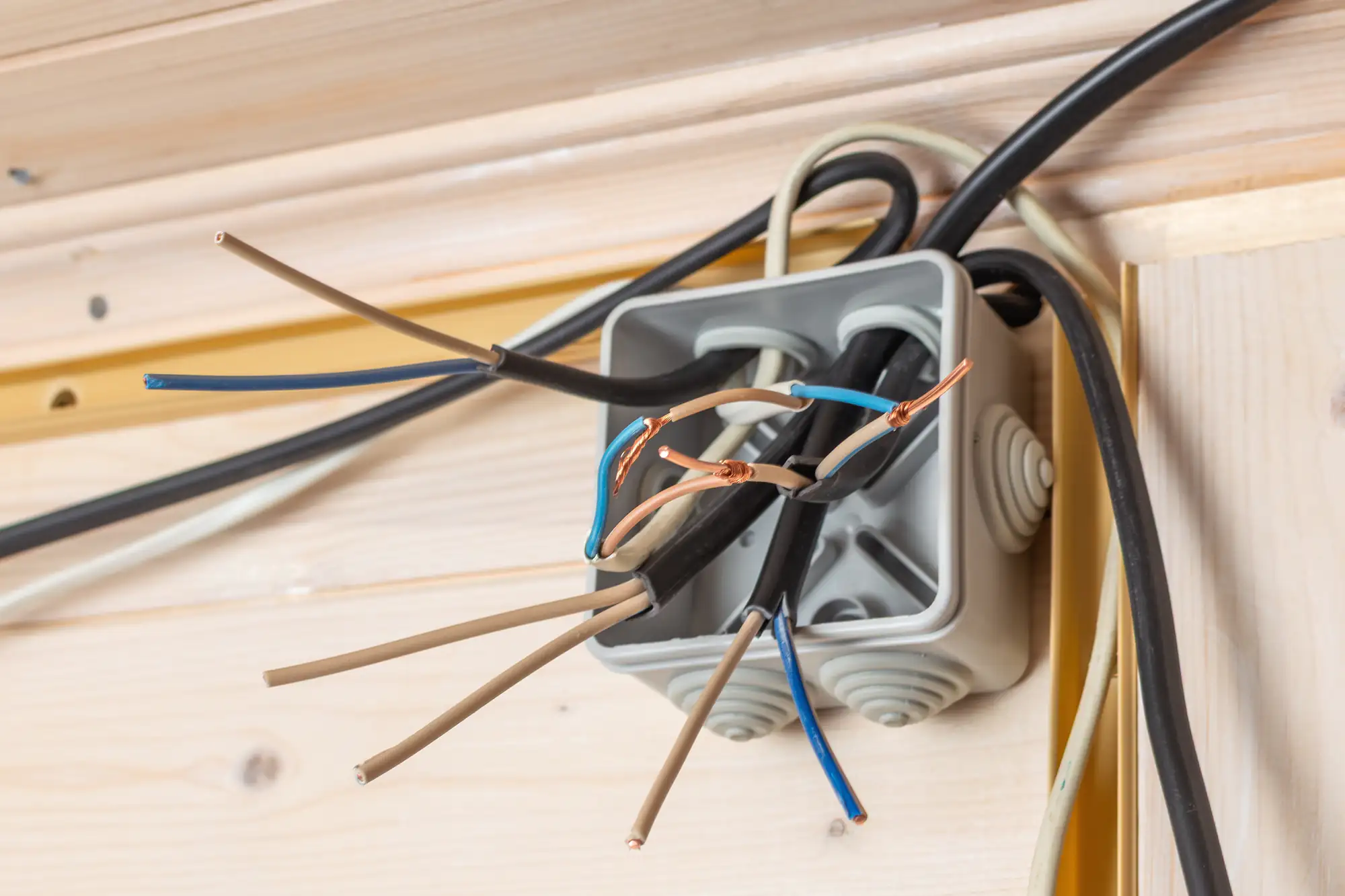
Hear from Our Customers
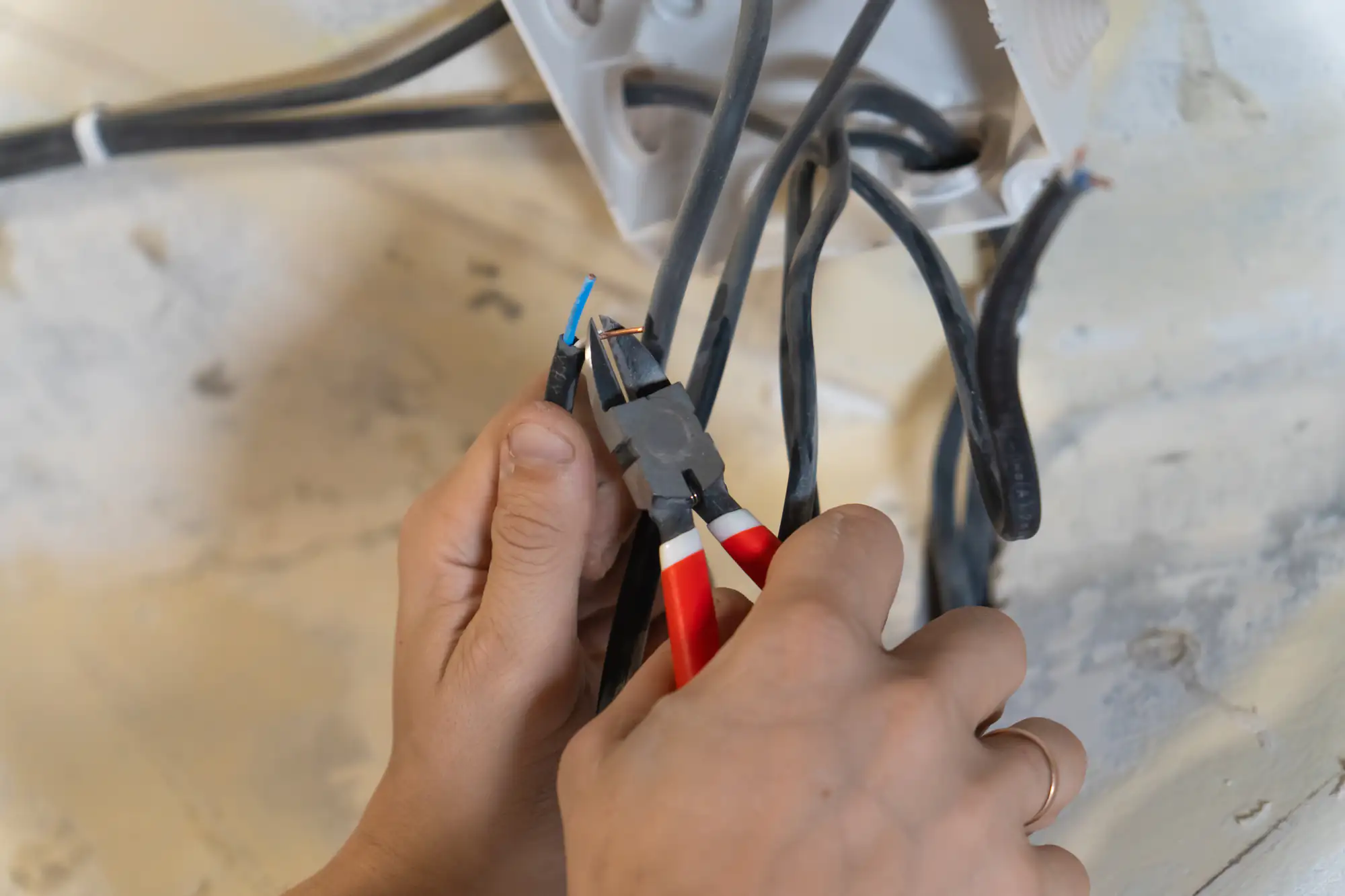
Professional Electrical Rewiring Services Clinton Hill
You’re living with electrical wiring that wasn’t designed for today’s world. Your 1905 brownstone or pre-war building is beautiful, but that old knob-and-tube system behind your walls is a different story.
After a complete rewiring, you’ll have modern electrical capacity that actually supports your lifestyle. No more flickering lights when you run the dishwasher. No more worrying about overloaded circuits or fire hazards from deteriorating wire insulation.
Your insurance company will thank you too—many won’t even cover homes with outdated wiring anymore. With proper modern electrical systems, you’re looking at lower premiums and a home that buyers will actually want when it’s time to sell.
Licensed Brooklyn Electrical Contractors
We’ve been handling Brooklyn’s unique electrical challenges for years, and Clinton Hill’s historic buildings are exactly what we know best. We understand that your 1900s brownstone needs more than just new wires—it needs electricians who know how to work with century-old construction.
Every job starts with honest assessment and clear communication about what you actually need. No upselling, no surprises, just straightforward electrical work that brings your home up to modern safety standards while respecting its historic character.
Our licensed and insured team has seen every type of outdated wiring Clinton Hill has to offer, from knob-and-tube to cloth-covered cables that should have been replaced decades ago.
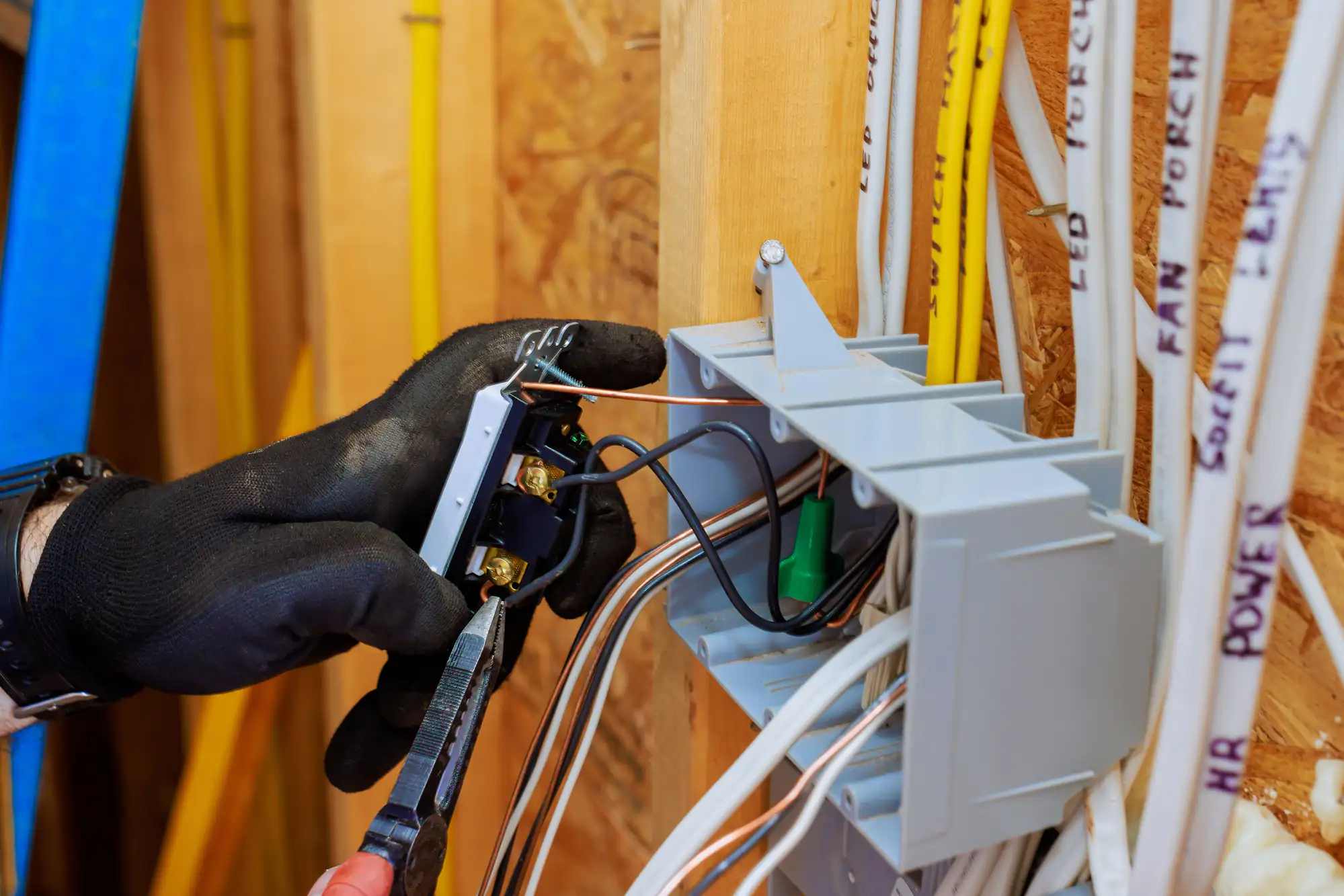
Whole House Rewiring Process Brooklyn
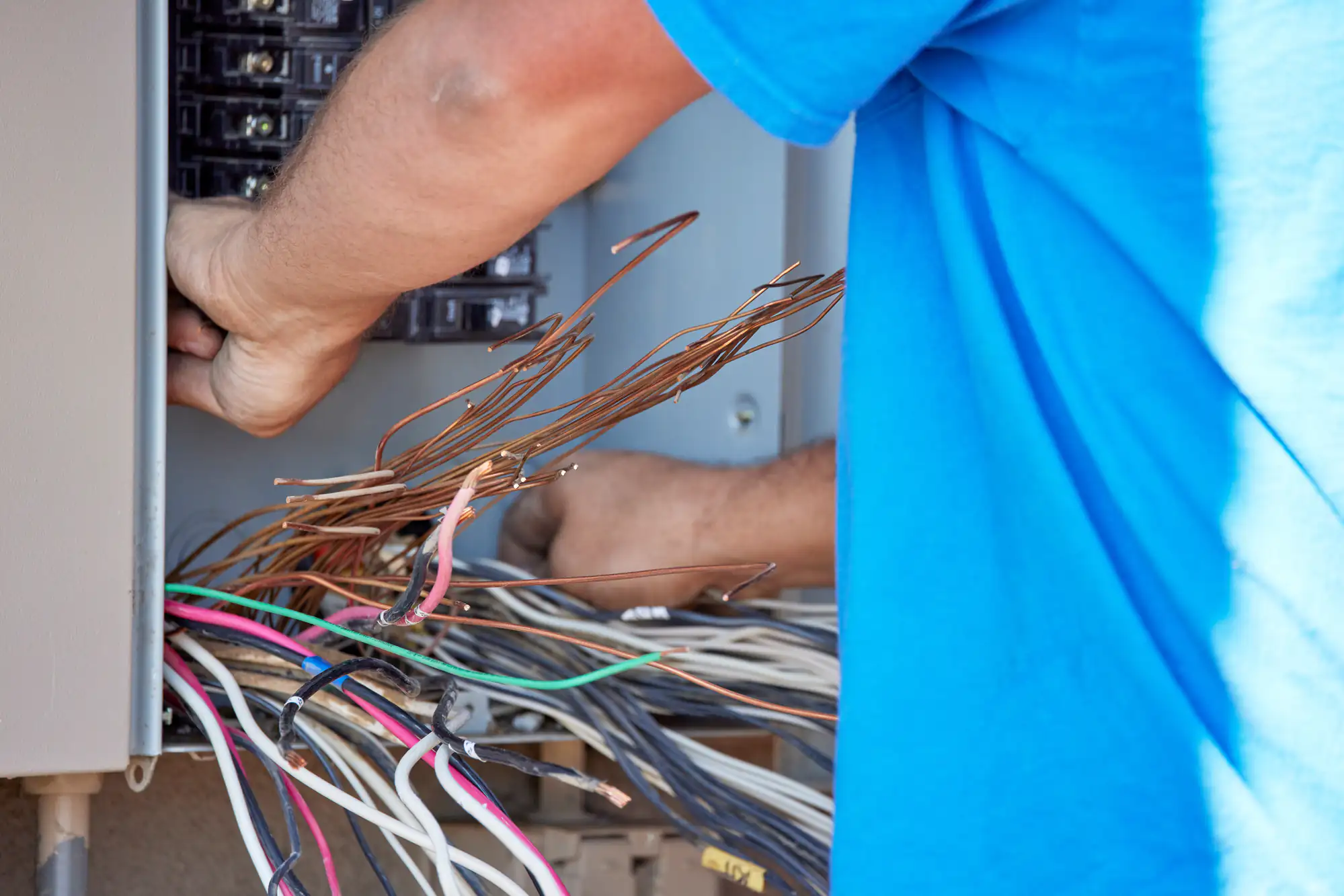
First, we’ll assess your current electrical system and identify exactly what needs to be replaced. In Clinton Hill’s older buildings, that usually means everything—panel, wiring, outlets, and switches.
The actual rewiring requires opening walls to access old wiring, which sounds disruptive but we coordinate everything to minimize the chaos. We handle all permits and city inspections, so you don’t have to deal with Department of Buildings paperwork.
Your power will be temporarily shut off during the work, but we plan the job in phases when possible to keep disruption manageable. Once the new system is in and inspected, you’ll have modern electrical capacity that can handle whatever you plug in.
Ready to get started?
Clinton Hill Electrical Upgrade Services
Complete whole house rewiring in Clinton Hill includes replacing your electrical panel with a modern 200-amp system, running new copper wiring throughout the building, and installing GFCI outlets where required by code.
Clinton Hill’s pre-war buildings often have unique challenges—thick plaster walls, unusual layouts, and electrical systems that were “updated” incorrectly over the decades. We know how to work with these buildings without destroying original architectural details.
The work includes bringing everything up to current NYC electrical codes, which means proper grounding, adequate circuits for modern appliances, and safety features that didn’t exist when your building was constructed. You’ll end up with an electrical system that’s actually designed for how people live today.
How much does whole house rewiring cost in Clinton Hill?
Whole house rewiring in Brooklyn typically runs $8.60 to $15.75 per square foot, depending on your building’s specific challenges. Clinton Hill’s older buildings often fall toward the higher end because of thick plaster walls and complicated existing wiring.
A typical 1,500 square foot apartment might cost $15,000 to $25,000 for complete rewiring, including the electrical panel upgrade. Larger buildings or homes with multiple floors will cost more, but you’re investing in decades of safe, reliable electrical service.
The final cost depends on how much of your existing system needs replacement, whether your electrical panel needs upgrading, and how accessible your current wiring is. Most Clinton Hill buildings need everything replaced.
Do I need permits for electrical rewiring in Brooklyn?
Yes, whole house rewiring in Brooklyn requires electrical permits from the NYC Department of Buildings. The permit typically costs $100 to $200, and the work must be inspected to ensure it meets current electrical codes.
Licensed electrical contractors handle all the permit paperwork and coordinate inspections for you. You don’t have to deal with the city directly—that’s part of hiring professionals who know the process.
The inspection ensures your new electrical system is installed safely and meets all current codes. This isn’t optional red tape; it’s how the city ensures electrical work won’t create fire hazards or safety problems down the road.
What's wrong with knob-and-tube wiring in older Clinton Hill buildings?
Knob-and-tube wiring was fine when it was installed in the early 1900s, but it wasn’t designed for modern electrical loads. Your building might have been wired for a few lights and maybe a radio—not computers, air conditioners, and kitchen appliances all running simultaneously.
The bigger problem is that knob-and-tube systems lack grounding wires, which means no protection if something goes wrong. The old rubber or cloth insulation also deteriorates over time, creating fire hazards from exposed wires.
Many insurance companies won’t cover homes with active knob-and-tube wiring anymore, and those that do often charge significantly higher premiums. The system is considered obsolete and unsafe by modern standards.
How long does whole house rewiring take in Brooklyn?
Complete whole house rewiring typically takes one to two weeks for most Clinton Hill homes, depending on the size and complexity of your building. Larger buildings or homes with multiple units will take longer.
The timeline depends on how accessible your existing wiring is and whether you’re doing other renovation work at the same time. If walls are already open for other projects, rewiring can be more efficient.
You’ll be without power during portions of the work, but experienced electricians plan the job to minimize disruption. We’ll coordinate with you to schedule the work around your needs and restore power as quickly as possible each day.
Will rewiring increase my Clinton Hill home's value?
Modern electrical systems don’t directly add value like a kitchen renovation might, but they remove a major obstacle for potential buyers. Homes with outdated electrical systems often sit on the market longer or sell for less because buyers know they’ll face expensive electrical work.
Updated electrical systems also qualify for lower insurance premiums, which saves money every year. Many insurance companies charge significantly higher rates for homes with outdated wiring, or refuse coverage entirely.
From a practical standpoint, modern electrical capacity supports the way people actually live today. Buyers want homes where they can plug in their devices without worrying about overloaded circuits or fire hazards.
Can I stay in my Clinton Hill home during electrical rewiring?
Most homeowners can stay in their homes during rewiring, though you’ll need to plan around power outages and construction disruption. Professional electricians work in phases to restore power each evening when possible.
The work involves opening walls to access old wiring, so expect dust and some mess despite protective measures. If you have young children or health concerns, you might want to stay elsewhere during the most disruptive phases.
Your electrician will coordinate the work schedule with you and provide advance notice of power shutoffs. The goal is completing the job efficiently while keeping your daily routine as normal as possible.
Local Resources
Other Services we provide in Clinton Hill