Whole House Rewiring in Brownsville, NY
Safe, Code-Compliant Electrical Systems for Your Home
Hear from Our Customers
Professional Electrical Rewiring Brownsville
You flip the switch and the lights come on—every time. No more flickering when you run the dishwasher. No more tripped breakers when you plug in your space heater. No more wondering if that burning smell means trouble.
Your home’s electrical system handles everything you throw at it. High-demand appliances, smart home devices, and charging stations all work seamlessly together. Your insurance company stops asking questions about your electrical system.
Most importantly, you sleep better knowing your family is protected from electrical fires and safety hazards that come with outdated wiring.
Licensed Electricians Brownsville NY
We’ve served Brooklyn homeowners and businesses for years with reliable electrical services. Our team understands the unique challenges of Brownsville’s housing stock—from pre-war buildings with cloth wiring to newer construction that needs upgrades for modern power demands.
Every electrician on our team is licensed, insured, and trained on the latest safety codes. We’ve worked on hundreds of Brooklyn homes and know exactly what it takes to bring older electrical systems up to current standards.
We focus on clear communication and honest recommendations. No surprise charges, no pressure tactics—just straightforward electrical work that keeps families safe and homes properly powered.
Whole House Rewiring Process
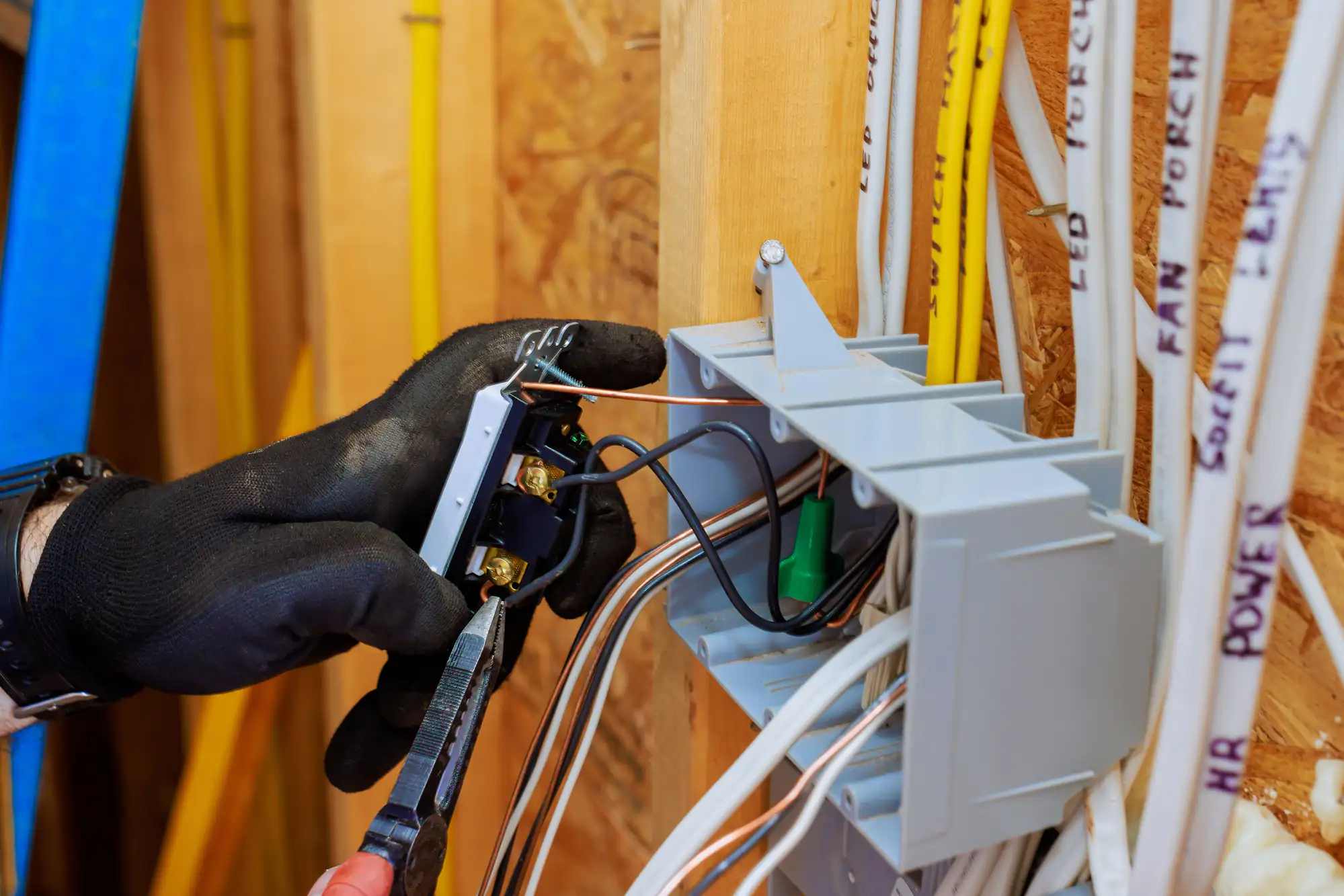
First, one of our licensed electricians inspects your current electrical system. We check the main panel, test outlets, examine visible wiring, and identify any safety issues or code violations. You get a detailed assessment of what needs to be updated.
Next, we create a rewiring plan that meets current NYC electrical codes. This includes mapping out new circuits, planning panel upgrades if needed, and coordinating with any ongoing renovation work. We pull all necessary permits before work begins.
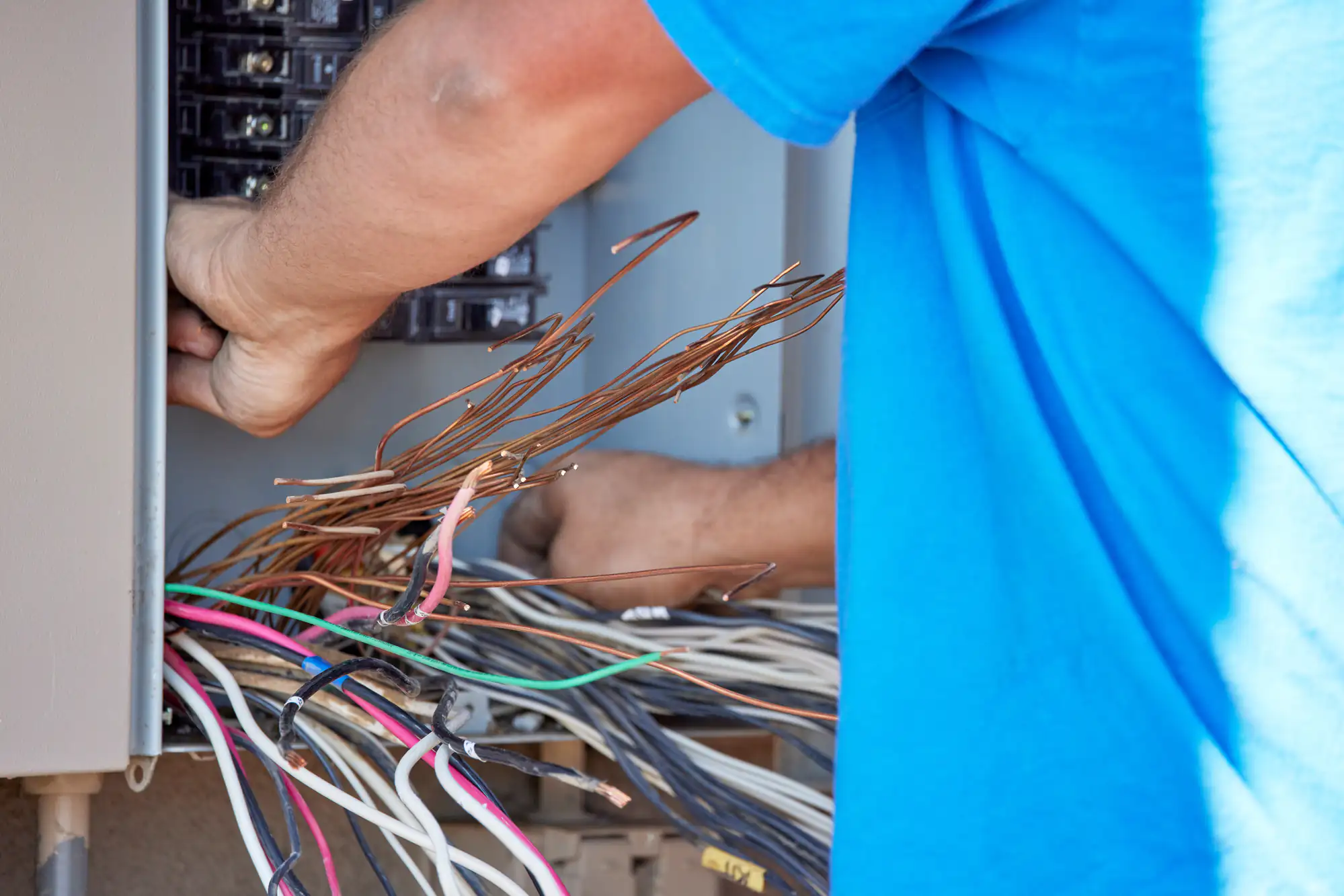
During installation, our team works room by room to minimize disruption. Power is temporarily shut off to work areas while new wiring is installed. We fish wires through walls carefully to avoid unnecessary damage to your home’s structure.
Finally, everything gets inspected and tested. The electrical inspector verifies all work meets code requirements. You receive documentation showing your electrical system is safe, compliant, and ready to handle your family’s power needs for decades to come.
Ready to get started?
Electrical Code Compliance Brooklyn
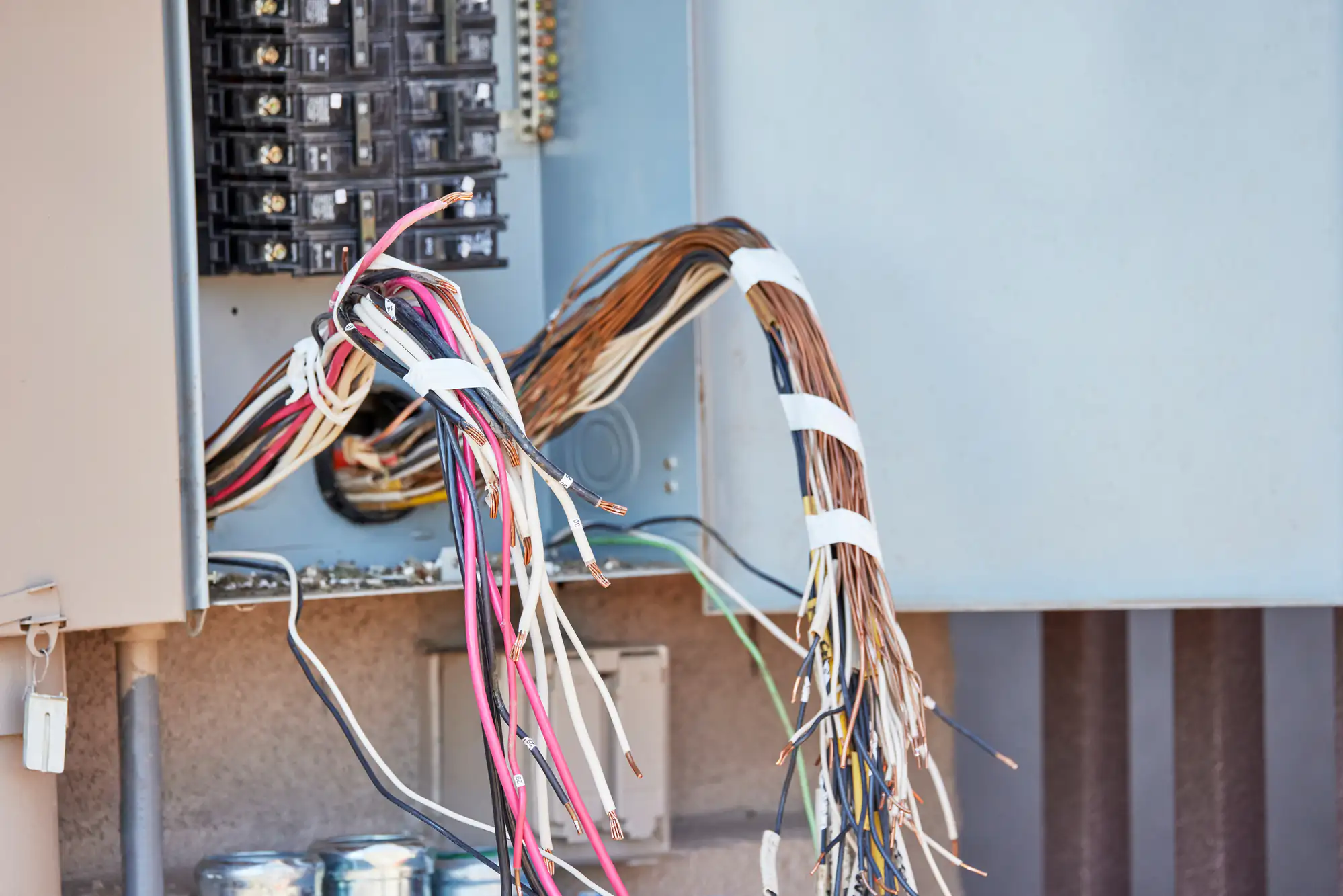
Complete rewiring includes replacing all old wiring with modern copper conductors rated for today’s electrical loads. We install GFCI outlets in kitchens, bathrooms, and other wet areas as required by current codes. AFCI protection gets added to bedroom and living area circuits to prevent electrical fires.
In Brownsville, many homes built before the 1960s still have cloth-wrapped wiring or knob-and-tube systems that insurance companies won’t cover. Our professional rewiring removes these outdated systems completely and replaces them with safe, code-compliant materials.
Our service also includes upgrading your electrical panel if it can’t handle increased capacity. Many older Brownsville homes have 60-amp or 100-amp panels that struggle with modern appliances. Upgrading to a 200-amp panel ensures you have enough power for air conditioning, electric vehicle charging, and other high-demand devices.
All work includes proper grounding systems, surge protection options, and documentation for insurance and resale purposes. You get warranties on both materials and workmanship.
How much does whole house rewiring cost in Brownsville, NY?
Whole house rewiring in Brownsville typically costs between $8,000 and $25,000, depending on your home’s size and complexity. Smaller row houses might cost closer to $8,000-$12,000, while larger multi-story homes can reach $20,000-$25,000 or more.
The final cost depends on several factors: your home’s square footage, how accessible the wiring is, whether you need panel upgrades, and the number of outlets and circuits required. Homes with finished basements or multiple stories take more time and materials.
Most Brooklyn homeowners find the investment worthwhile because modern wiring increases home value, reduces insurance costs, and eliminates safety hazards. Many insurance companies offer discounts for homes with updated electrical systems, and updated wiring can be a major selling point if you ever decide to move.
How long does it take to rewire a house in Brooklyn?
Most whole house rewiring projects in Brownsville take 3-7 days for an average-sized home, depending on the scope of work and your home’s layout. Single-story row houses often take 3-4 days, while multi-story homes with complex layouts can take a full week.
The timeline also depends on whether you’re doing rewiring as part of a larger renovation. If walls are already open from other construction work, rewiring goes much faster. If walls need to be opened specifically for electrical work, it adds time for both the electrical installation and wall repairs afterward.
Weather, permit approval times, and inspection scheduling can also affect the timeline. We’ll give you a more specific timeframe after evaluating your home’s unique situation and coordinating with any other contractors working on your project.
Do I need permits for whole house rewiring in NYC?
Yes, whole house rewiring in New York City requires electrical permits and inspections. This isn’t optional—it’s required by law and necessary for insurance coverage. The permit process ensures your electrical work meets current safety codes and protects your family from hazards.
We typically handle the permit application process for you. We submit the necessary paperwork to the Department of Buildings, pay the permit fees (usually $100-$300), and schedule required inspections. You don’t have to deal with the bureaucracy yourself.
After the work is completed, an electrical inspector comes to verify everything meets code requirements. Once you pass inspection, you get official documentation that your electrical system is safe and compliant. This documentation is important for insurance claims, home sales, and your own peace of mind.
Will rewiring damage my walls and require major repairs?
Professional rewiring is designed to minimize wall damage, but some disruption is usually unavoidable. We use techniques like fishing wires through existing wall cavities and accessing wiring through basements, attics, and crawl spaces whenever possible.
In many Brownsville row houses, we can run new wiring through unfinished basements and up through wall cavities without opening every wall. However, some strategic wall openings are often necessary, especially around electrical panels, major outlets, and switch locations.
The good news is that any necessary wall repairs can be coordinated with your rewiring project. Many homeowners use rewiring as an opportunity to update other aspects of their homes—new paint, updated fixtures, or room renovations. We can work with other contractors to minimize overall disruption and coordinate repairs efficiently.
Is my old wiring really dangerous or just outdated?
If your Brownsville home was built before 1960, your wiring could pose real safety risks. Many older Brooklyn homes still have cloth-wrapped wiring, knob-and-tube systems, or early aluminum wiring that can cause fires or electrocution hazards.
Cloth wiring deteriorates over time, especially in humid conditions. The insulation becomes brittle and can expose live wires. Knob-and-tube wiring wasn’t designed for modern electrical loads and lacks proper grounding systems. These old systems can’t safely handle today’s appliances and electronics.
Insurance companies often refuse to cover homes with these outdated wiring types, or they charge much higher premiums. Beyond insurance concerns, old wiring increases the risk of electrical fires, which cause billions in property damage annually. If you’re experiencing frequent circuit breaker trips, flickering lights, or outlets that feel warm, your wiring needs immediate attention.
Can I stay in my home during the rewiring process?
Most families can stay in their homes during rewiring, though you’ll need to plan for some temporary inconveniences. We work room by room and restore power to completed areas each day, so you’ll have electricity for essential needs like refrigeration and lighting in most of your home.
You’ll experience temporary power outages in work areas while wiring is being installed. We’ll coordinate with you to minimize disruption to your daily routine—working around your schedule when possible and ensuring you have power for cooking, working from home, or other essential activities.
The biggest inconvenience is usually dust and noise from accessing walls and running new wiring. If you have young children, elderly family members, or health conditions that make construction disruption difficult, you might consider staying elsewhere for a few days. Most families find the temporary inconvenience manageable compared to the long-term benefits of safe, reliable electrical systems.
Local Resources
Other Services we provide in Brownsville