Panel and Subpanel Work in Sheepshead Bay, NY
Your Power Problems End Here
Hear from Our Customers
Electrical Panel Upgrades Sheepshead Bay
Your lights stop flickering. Your breakers stop tripping every time you run the dishwasher and microwave together. You can actually plug in your new appliances without worrying about overloading circuits or starting a fire.
This is what happens when your electrical panel can handle what you’re asking it to do. Most Sheepshead Bay homes were built when families owned maybe a television, a refrigerator, and a few lamps. Now you’re running computers, gaming systems, electric vehicle chargers, smart home devices, and high-efficiency HVAC systems—all through the same old 60 or 100-amp panel that was never designed for this load.
A proper panel upgrade gives you the capacity you need and the safety you deserve. No more extension cords snaking around your house. No more choosing between running your air conditioner or your washing machine. Just reliable power that works when you need it.
Licensed Electricians Sheepshead Bay Brooklyn
We’ve been handling electrical work across Brooklyn for years, and we know exactly what Sheepshead Bay homeowners are dealing with. The older housing stock, the unique challenges of coastal properties, the mix of original wiring and decades of additions that don’t always play well together.
Our licensed and insured team doesn’t just swap out panels—we understand how your home’s electrical system actually works and what it needs to work safely. We’ve seen every type of panel problem you can imagine, from ancient Federal Pacific boxes that should have been replaced decades ago to newer panels that are simply overwhelmed by modern electrical demands.
When we show up for panel work in Sheepshead Bay, we’re not just fixing today’s problem. We’re setting up your electrical system to handle whatever you throw at it for the next 20 years.
Panel Installation Process Brooklyn NY
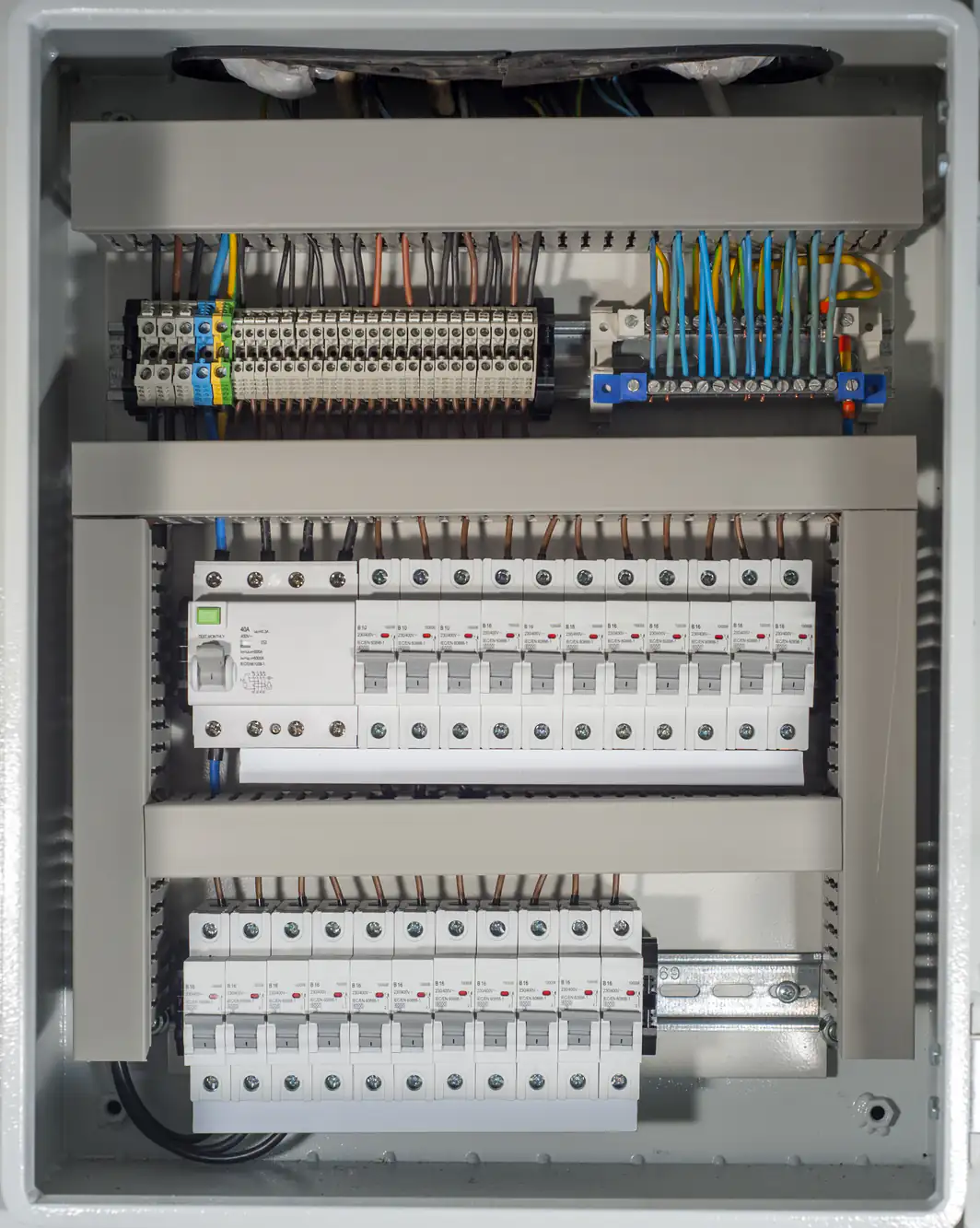
First, we assess your current panel and your actual electrical needs—not just what you think you need, but what your home actually demands when everything’s running. We’ll check your existing wiring, measure your electrical load, and determine whether you need a 150-amp or 200-amp upgrade.
Next comes the permit process. In New York, panel work requires permits and inspections, and we handle all of that paperwork. No surprise delays because someone forgot to file the right forms with the city.
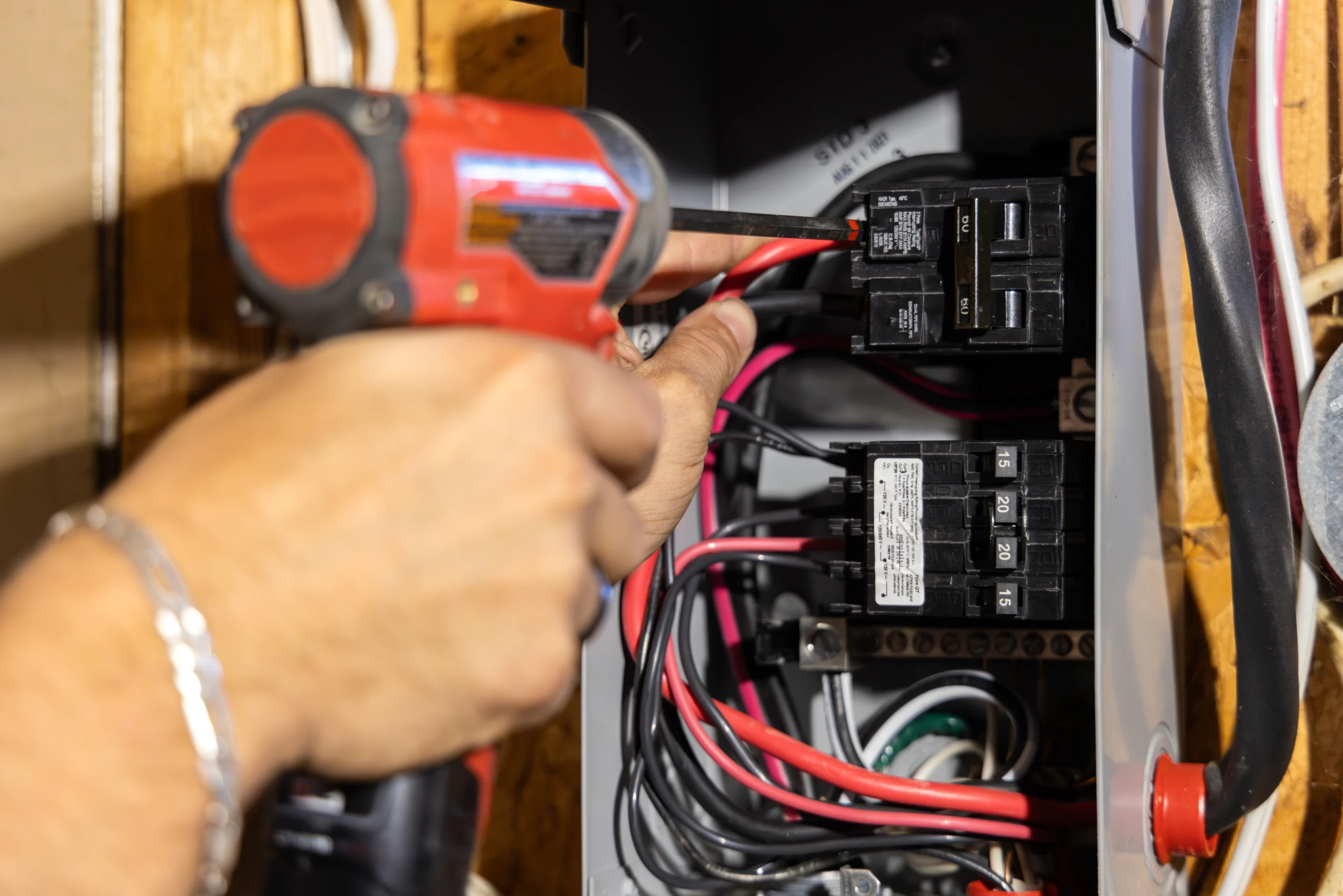
Installation day means your power will be off for several hours while we swap out the old panel for the new one. We coordinate with Con Edison if service upgrades are needed, install the new panel with proper circuit breakers, and rewire everything according to current electrical codes. After the city inspector signs off, your power comes back on—but now it actually works the way it’s supposed to.
Ready to get started?
Subpanel Installation Sheepshead Bay NY
Panel and subpanel work isn’t just about swapping out the box on your wall. It’s about creating an electrical system that can handle your life without compromising safety or breaking your budget every month.
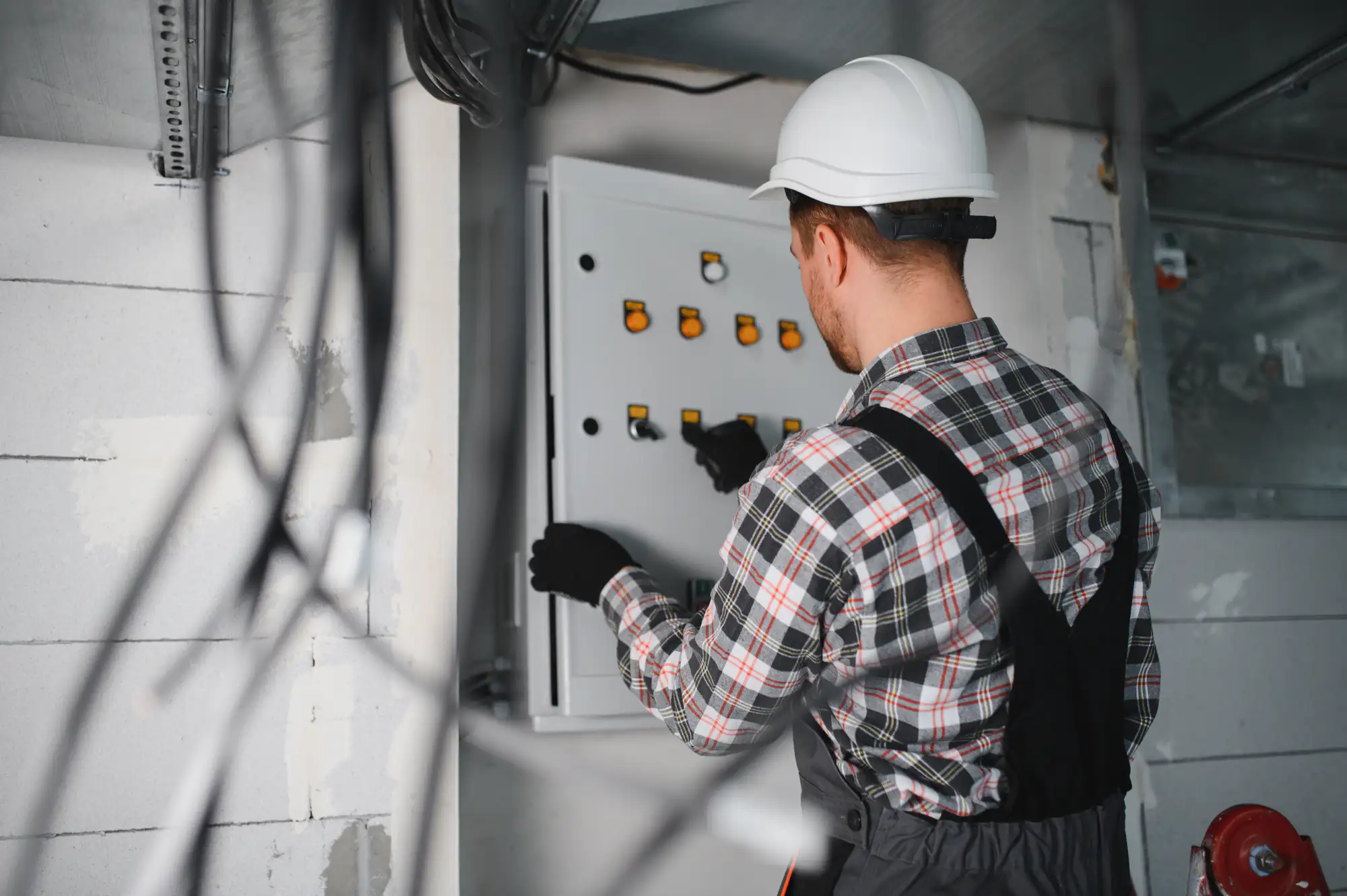
In Sheepshead Bay, many homes benefit from subpanel installations when adding finished basements, home offices, or workshop spaces. A subpanel gives you dedicated circuits for high-demand areas without overloading your main panel. It’s also essential for properties adding electric vehicle charging stations or backup generator systems.
Our panel work includes everything from basic 100-amp to 200-amp upgrades to complex subpanel installations for multi-family properties. We handle the full scope: permits, inspections, coordination with utility companies, and all the detailed electrical work that ensures your new panel meets current codes and actually improves your home’s functionality. Every installation comes with proper labeling, surge protection options, and the kind of workmanship that passes city inspections the first time.
How much does electrical panel upgrade cost in Sheepshead Bay?
Most Sheepshead Bay homeowners spend between $1,500 and $4,000 for a complete panel upgrade, depending on the size of the upgrade and the condition of existing wiring. A basic 100-amp to 200-amp upgrade typically runs $1,300 to $2,500, while more complex jobs requiring new service lines or extensive rewiring can reach $4,000.
The final cost depends on several factors: your current panel’s amperage, the new panel size you need, whether your existing wiring can be reused, and any additional work like subpanel installation or service line upgrades. We provide detailed estimates that break down all costs upfront, so you know exactly what you’re paying for before any work begins.
How long does panel replacement take in Brooklyn?
Most panel replacements take 4 to 8 hours of actual work, but the full process typically spans 2 to 3 days when you include permits and inspections. Day one involves assessment, planning, and permit filing. Day two is the actual installation work, during which your power will be off for most of the day.
Day three brings the city inspection and final power restoration. We coordinate this entire timeline, handling all the paperwork and scheduling so you don’t have to chase down permits or wait weeks for inspector availability. We’ll also help you prepare for the power outage day, advising you on what to do about refrigerated food and essential electronics.
Do I need permits for electrical panel work in Brooklyn?
Yes, electrical panel upgrades and subpanel installations require permits from the New York City Department of Buildings, and only licensed electricians can pull these permits. The permit process includes plan review, work inspection, and final approval to ensure everything meets current electrical codes.
Trying to skip permits might save money upfront, but it creates serious problems later. Unpermitted electrical work can void your homeowner’s insurance, create liability issues if something goes wrong, and cause major headaches if you ever sell your home. We handle the entire permit process as part of our service, ensuring your panel work is completely legal and up to code.
What are signs I need electrical panel upgrade?
The most common signs are frequent circuit breaker trips, flickering lights when appliances start up, burning smells near your electrical panel, or having to use extension cords because you don’t have enough outlets. If your home has a fuse box instead of circuit breakers, or if your panel is labeled Federal Pacific or Zinsco, you definitely need an upgrade.
Other warning signs include warm outlets, scorch marks around your panel, buzzing sounds from electrical components, or simply having a panel that’s more than 25 years old. Many Sheepshead Bay homes still have 60-amp or 100-amp panels that were fine when they were installed but can’t handle modern electrical loads safely. If you’re planning any major appliance purchases or home additions, your existing panel probably won’t cut it.
Can I add subpanel to existing electrical panel?
Whether you can add a subpanel depends on your main panel’s available capacity and physical space for additional circuit breakers. If your main panel has spare slots and can handle the additional electrical load, a subpanel installation is usually straightforward and much less expensive than a full panel upgrade.
Subpanels are perfect for finished basements, detached garages, workshops, or any area that needs multiple new circuits. They’re also essential for electric vehicle charging stations or backup generator connections. We can assess your existing panel’s capacity and recommend whether a subpanel addition makes sense or if you’d be better served with a complete panel upgrade.
What size electrical panel do I need for my home?
Most modern homes need at least 200-amp service, especially if you have central air conditioning, electric heating, or plan to add an electric vehicle charger. Smaller homes with gas heating and minimal electrical demands might get by with 150-amp service, but 200-amp panels provide room for future expansion.
The right size depends on your home’s square footage, the number of major appliances, your heating and cooling systems, and any plans for additions or upgrades. A 100-amp panel might have been adequate 30 years ago, but today’s homes typically need the extra capacity that 200-amp service provides. We calculate your actual electrical load to recommend the right panel size for your specific situation, not just what’s cheapest to install.
Local Resources
Other Services we provide in Sheepshead Bay