Panel and Subpanel Work in Red Hook, NY
Your Electrical Panel Actually Works Right
Hear from Our Customers
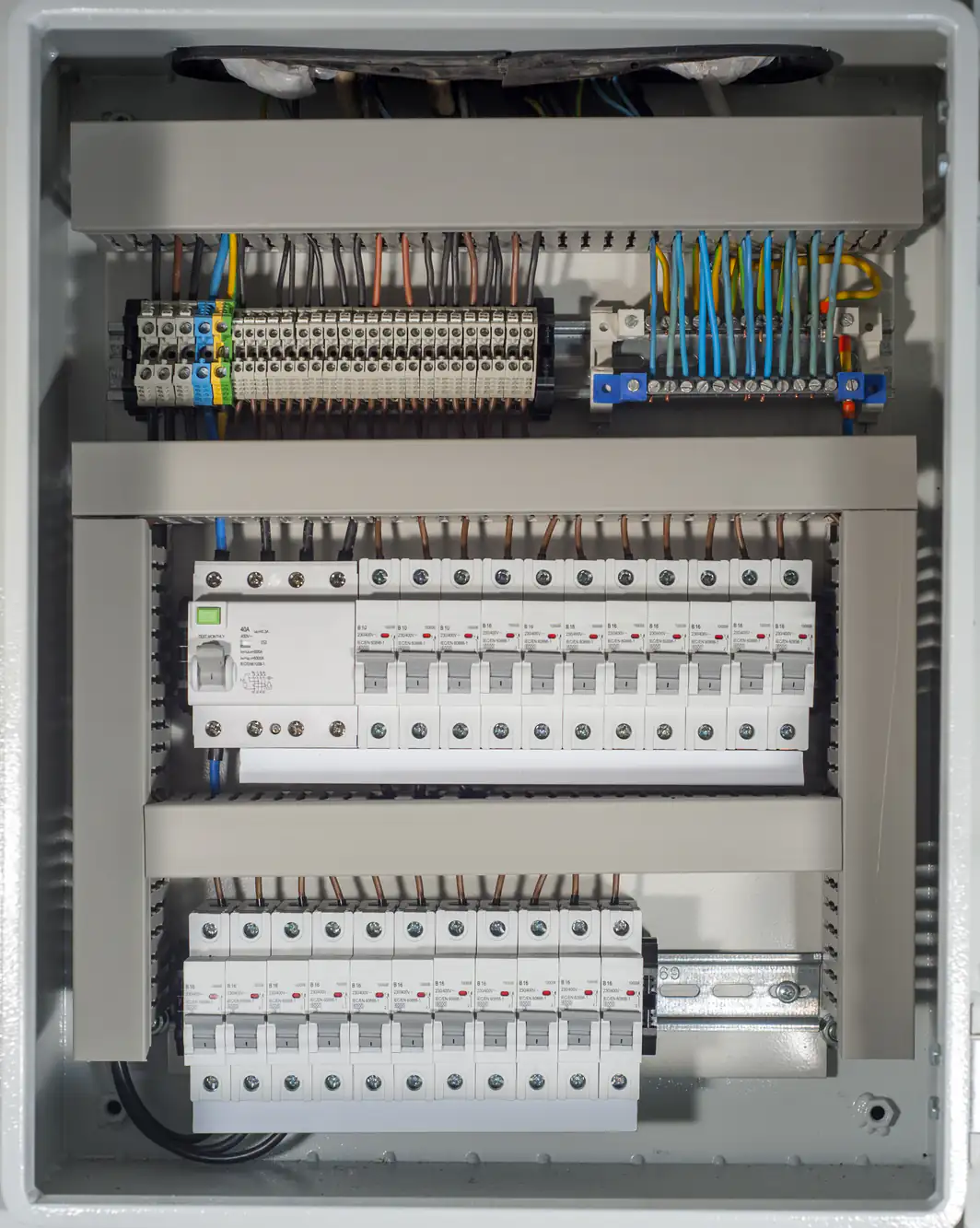
Electrical Panel Upgrades Red Hook Brooklyn
Your lights don’t flicker when the AC kicks on. Your breakers don’t trip every time you plug in a space heater. You can actually use your kitchen appliances without playing electrical roulette.
That’s what happens when your panel can handle what you’re asking it to do. Most Red Hook homes were built when people owned maybe three electrical devices total. Your 1930s panel wasn’t designed for air conditioners, computers, phone chargers, and everything else you actually use.
A proper panel upgrade gives you the capacity you need and the safety features that protect your home. No more wondering if that burning smell is normal.
Licensed Electricians Red Hook NY
We’ve been working on Brooklyn’s electrical systems long enough to know what actually breaks and why. We understand that Red Hook’s mix of pre-war buildings and newer construction creates unique challenges.
Our licensed team knows Brooklyn’s electrical codes inside and out. We’ve rewired brownstones with original knob-and-tube wiring and upgraded panels in buildings that still had fuses. When Con Edison has issues or your building’s aging electrical system starts acting up, Red Hook residents call us.
We focus on safety, code compliance, and work that actually lasts. No shortcuts, no guessing, no coming back three times because the first fix didn’t work.
Panel Installation Process Red Hook
First, we evaluate your current electrical system and actual power needs. Not just what you think you need, but what your home actually requires based on your appliances, circuits, and electrical usage patterns.
Next, we handle all permits and coordinate with NYC inspectors. Licensed electricians know exactly what work requires approval and how to navigate Brooklyn’s inspection process correctly. You don’t have to deal with the bureaucracy.
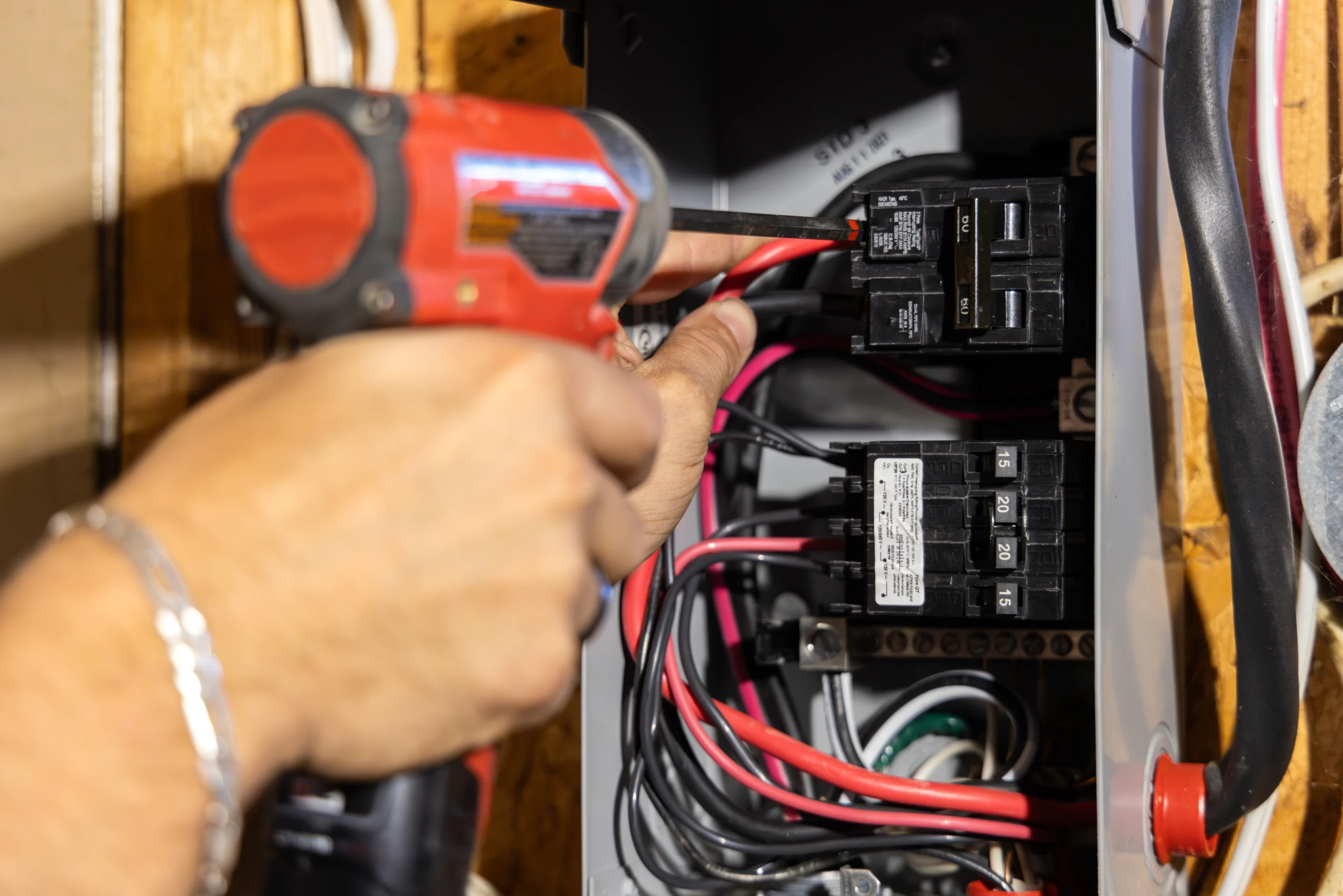
Then we install your new panel using quality materials that meet or exceed local building codes. We test everything to ensure it’s working properly and clean up completely. You get documentation for your records and warranty information for peace of mind.
Ready to get started?
Subpanel Installation Red Hook Brooklyn
Panel upgrades in Red Hook typically involve upgrading from outdated 60-amp or 100-amp systems to modern 200-amp service. This gives you enough capacity to run air conditioning, kitchen appliances, electronics, and charging stations without overloading circuits.
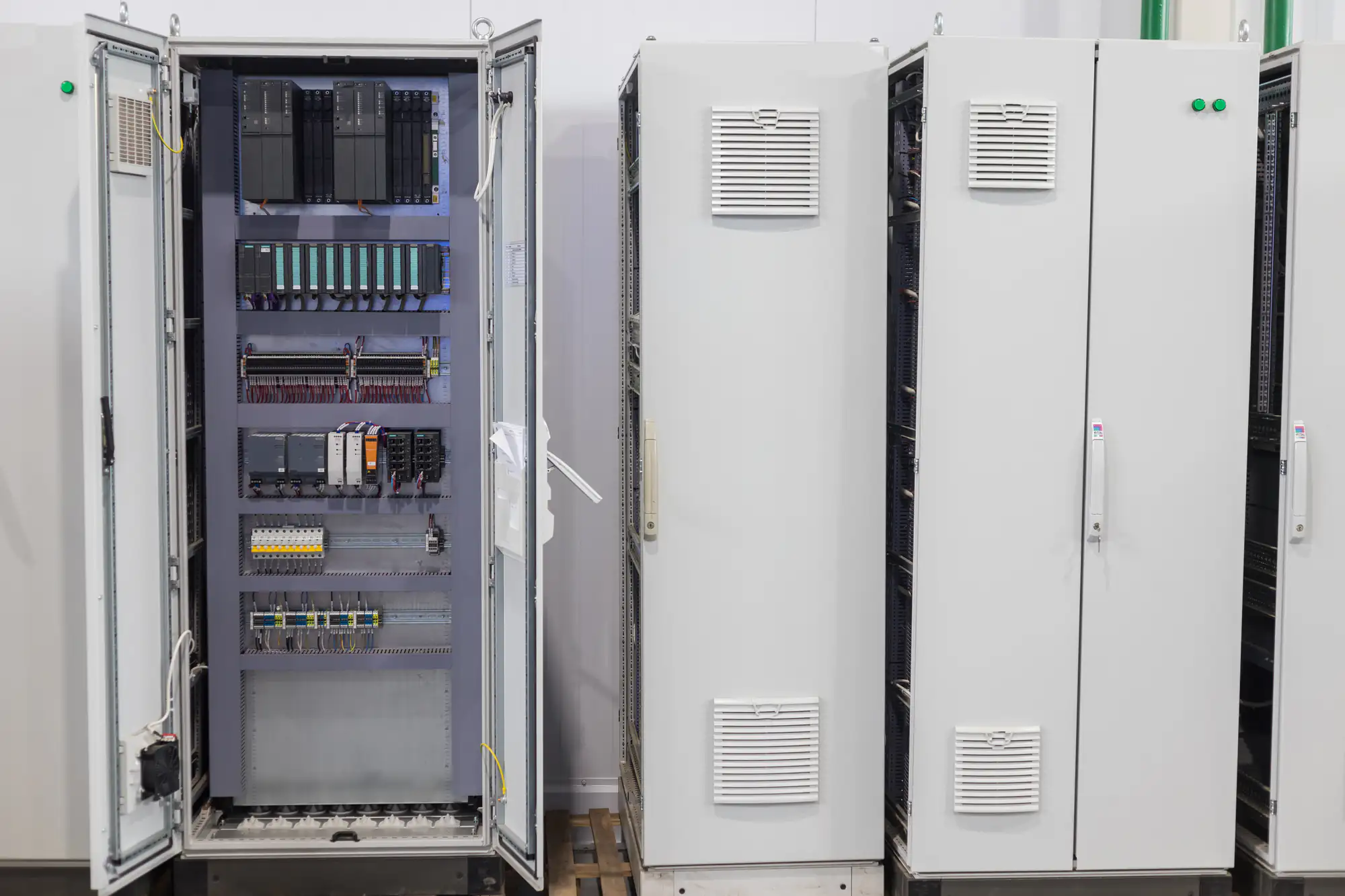
Subpanel installations are common when you need additional circuits for specific areas like detached garages, basements, or workshops. Instead of running long cable runs from your main panel, a subpanel provides local power distribution and makes it easier to manage electrical loads.
Red Hook’s older housing stock often requires additional safety features like GFCI outlets in kitchens and bathrooms, AFCI breakers for bedroom circuits, and proper grounding systems. These aren’t just code requirements – they’re safety features that protect your family from electrical hazards that can cause fires or electrocution.
How do I know if my Red Hook home needs a panel upgrade?
Your panel probably needs upgrading if it’s over 25 years old, uses fuses instead of breakers, or can’t handle your current electrical needs. Signs include frequently tripped breakers, dimming lights when appliances start up, or not enough outlets for modern electronics.
Many older Brooklyn buildings still have 60-amp or 100-amp panels that can’t safely power today’s electrical loads. Modern homes typically need 200-amp service to handle air conditioning, electric appliances, and charging stations. An electrical inspection can determine if your panel meets current safety standards and has enough capacity for your needs.
What's the difference between a panel upgrade and subpanel installation?
A panel upgrade replaces your main electrical panel with a higher-capacity unit, typically going from 100-amp to 200-amp service. This increases your home’s total electrical capacity and often requires utility company coordination.
A subpanel installation adds a secondary panel that receives power from your main panel but provides additional circuits for specific areas. You might need a subpanel for a detached garage, basement workshop, or home addition. Subpanels reduce long cable runs and make it easier to manage power distribution to areas far from your main panel.
How long does panel installation take in Red Hook?
A typical panel upgrade can usually be completed in one work day – 4 to 8 hours from start to finish in most cases. More complex situations like upgrading an ancient fuse box or adding a new subpanel may take additional time.
The bulk of that time is dedicated to planning, prep work, and safety steps. Licensed electricians don’t just rip out the old panel and install the new one. We ensure proper connections, test all circuits, and verify everything meets NYC electrical codes before considering the job complete.
Do I need permits for panel work in Red Hook?
Yes, major electrical work like panel upgrades, adding new circuits, or rewiring requires permits and inspections to ensure everything meets NYC electrical code. Licensed electrical contractors handle all permit applications and know exactly what work requires approval.
Working without permits can create problems when selling your home or filing insurance claims. Always use a licensed contractor who pulls proper permits for electrical work. We also coordinate with NYC inspectors to ensure everything meets code requirements before the project is considered complete.
What does panel upgrade cost in Red Hook Brooklyn?
Electrical panel upgrades typically cost between $1,000 and $2,500, though complex installations can cost more. Factors affecting cost include your current panel type, accessibility, whether utility service needs upgrading, and what safety features are added.
Homes with easier access to wiring routes cost less than those requiring extensive wall work. The investment protects your family from fire hazards and ensures your electrical system can handle modern appliances safely. Panel upgrades can also qualify for federal tax credits when completed as part of clean energy improvements.
Can you work on Red Hook's older buildings safely?
Yes, we specialize in updating electrical systems in Brooklyn’s older buildings, including those with original knob-and-tube or cloth-wrapped wiring. These systems were adequate when installed but can’t safely handle modern electrical demands.
Old wiring replacement involves running new cables through existing walls and connecting them to updated panels and grounding systems. We use techniques that minimize damage to original plaster and woodwork while bringing everything up to current electrical codes. The process includes permits and inspections to ensure everything is done properly and legally.
Local Resources
Other Services we provide in Red Hook