Panel and Subpanel Work in Mill Basin
Get the Power Capacity You Actually Need
Hear from Our Customers
Mill Basin Electrical Panel Services
You flip a switch and the lights come on. Every time. Your appliances run without tripping breakers. You can charge your electric vehicle, run your air conditioning, and use your kitchen appliances all at the same time without worrying about overloading circuits.
That’s what proper panel and subpanel work delivers. No more juggling which appliances you can use simultaneously. No more resetting breakers in your basement. Your electrical system handles whatever you throw at it because it’s designed for how you actually live today.
When your panel has enough capacity and your circuits are properly distributed, everything just works. You get the peace of mind that comes from knowing your electrical system is safe, code-compliant, and built to last.
Licensed Mill Basin Electrical Contractors
We’ve been handling electrical work throughout Brooklyn for years, and we understand what Mill Basin homeowners deal with. Many homes in this area were built in the 1950s when electrical demands were a fraction of what they are today.
We hold a Master Electrician license and carry full insurance coverage, including liability protection and workers compensation. We’ve worked on everything from the waterfront homes near Jamaica Bay to the residential streets closer to Kings Plaza.
Mill Basin’s mix of older homes and modern electrical needs means you need electricians who understand both vintage wiring systems and current code requirements. We know which homes need GFCI outlets, where AFCI breakers are required, and how to properly upgrade older electrical systems without tearing apart your walls unnecessarily.
Panel Upgrade Process Mill Basin
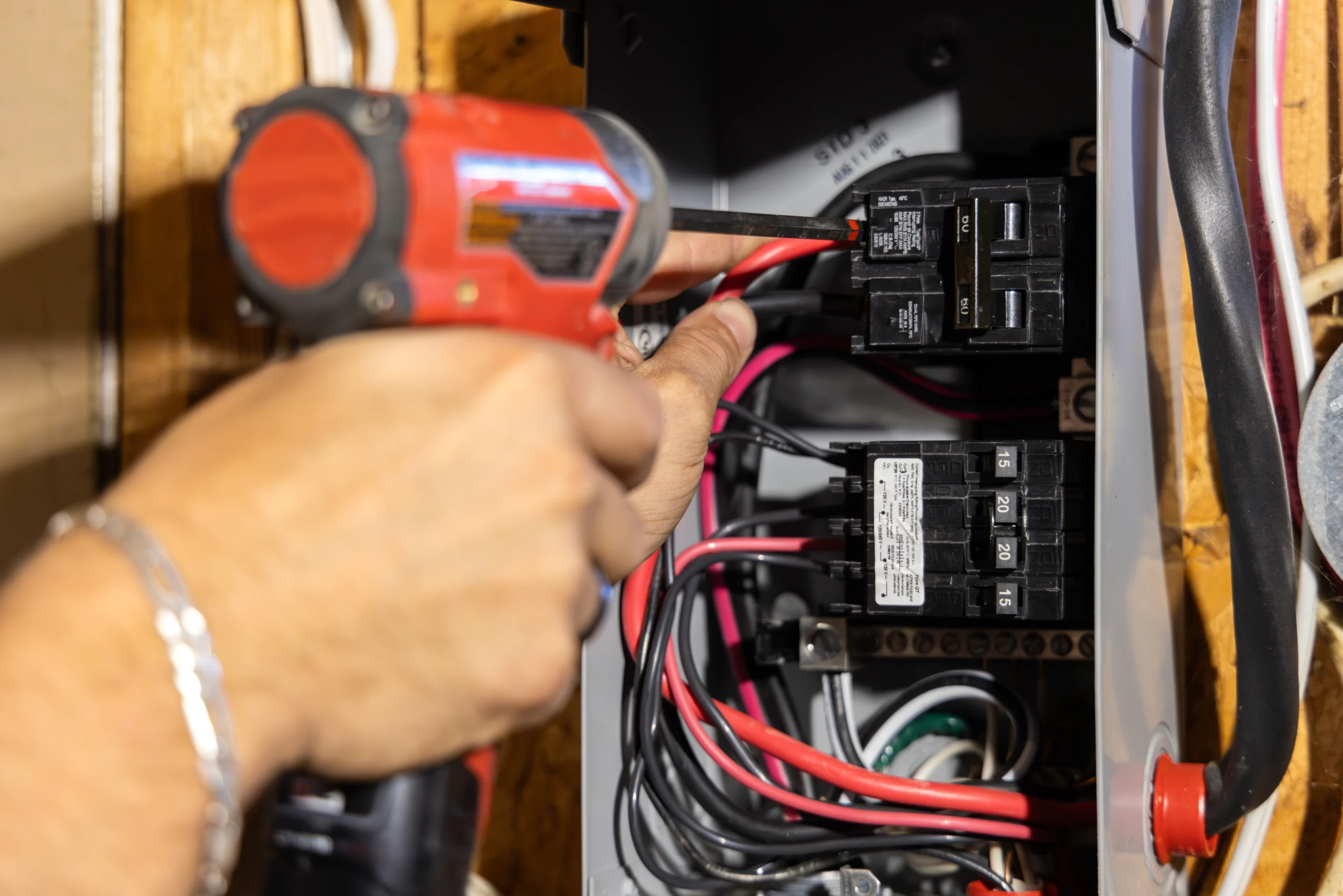
First, we assess your current electrical system to identify any safety issues or code violations. You get a clear explanation of what needs attention and why, along with upfront pricing before any work begins.
Next, we handle all permits and coordinate with NYC inspectors if needed. Most panel replacements take 6-8 hours of work time, but the process spans 2-3 days due to permit requirements and utility coordination.
The actual installation involves safely removing the old panel, installing the new one, and connecting all circuits with proper labeling. After installation, a NYC electrical inspector must approve the work before Con Edison restores full power. Most customers have temporary power during the upgrade process.
Finally, we test everything to ensure it’s working properly and clean up completely. You receive documentation for your records and warranty information for peace of mind.
Ready to get started?
Subpanel Installation Mill Basin NY
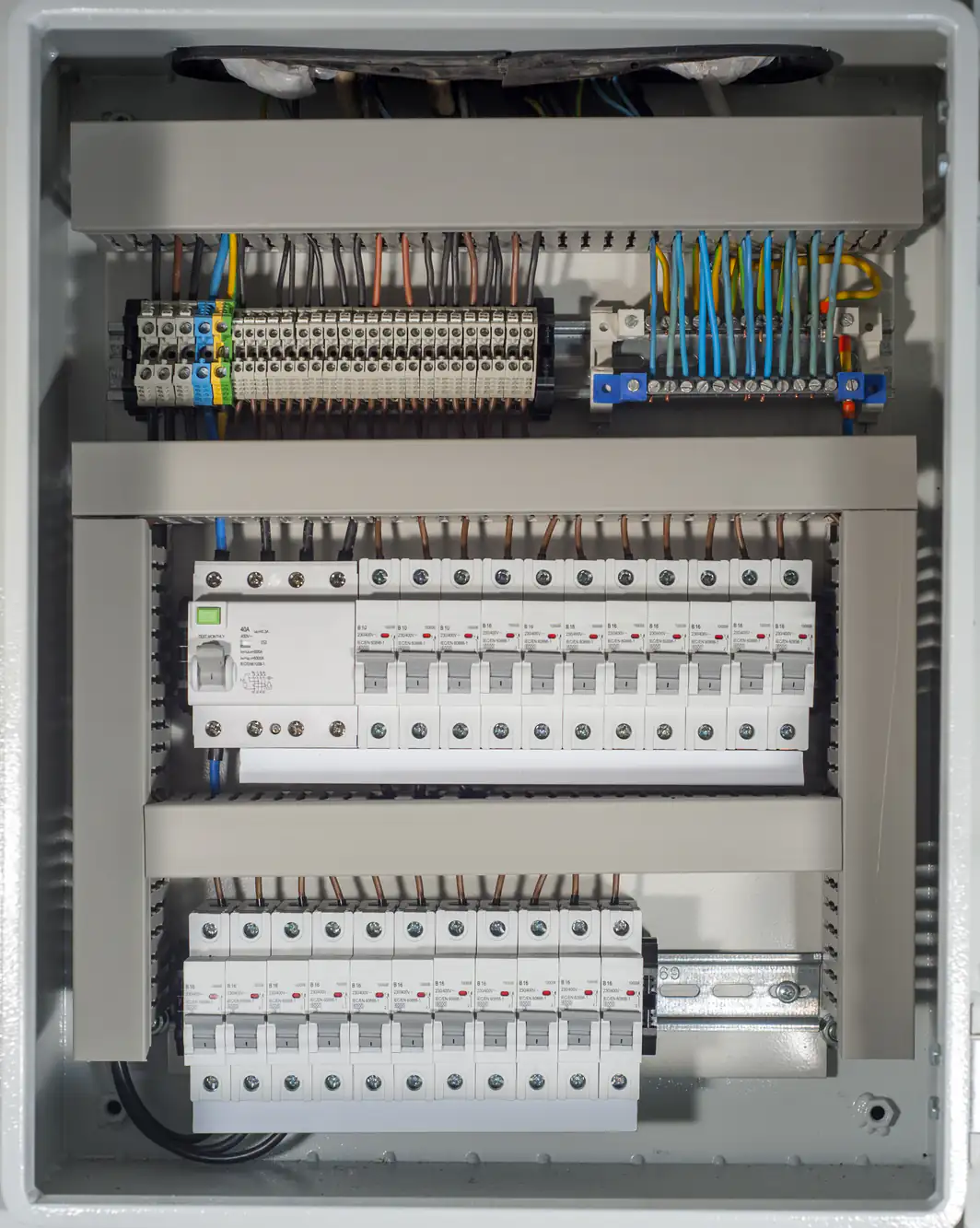
Panel upgrades typically involve replacing your existing 60-amp or 100-amp panel with a modern 200-amp system that can handle today’s electrical demands. This includes installing new circuit breakers, proper grounding systems, and GFCI protection where required by code.
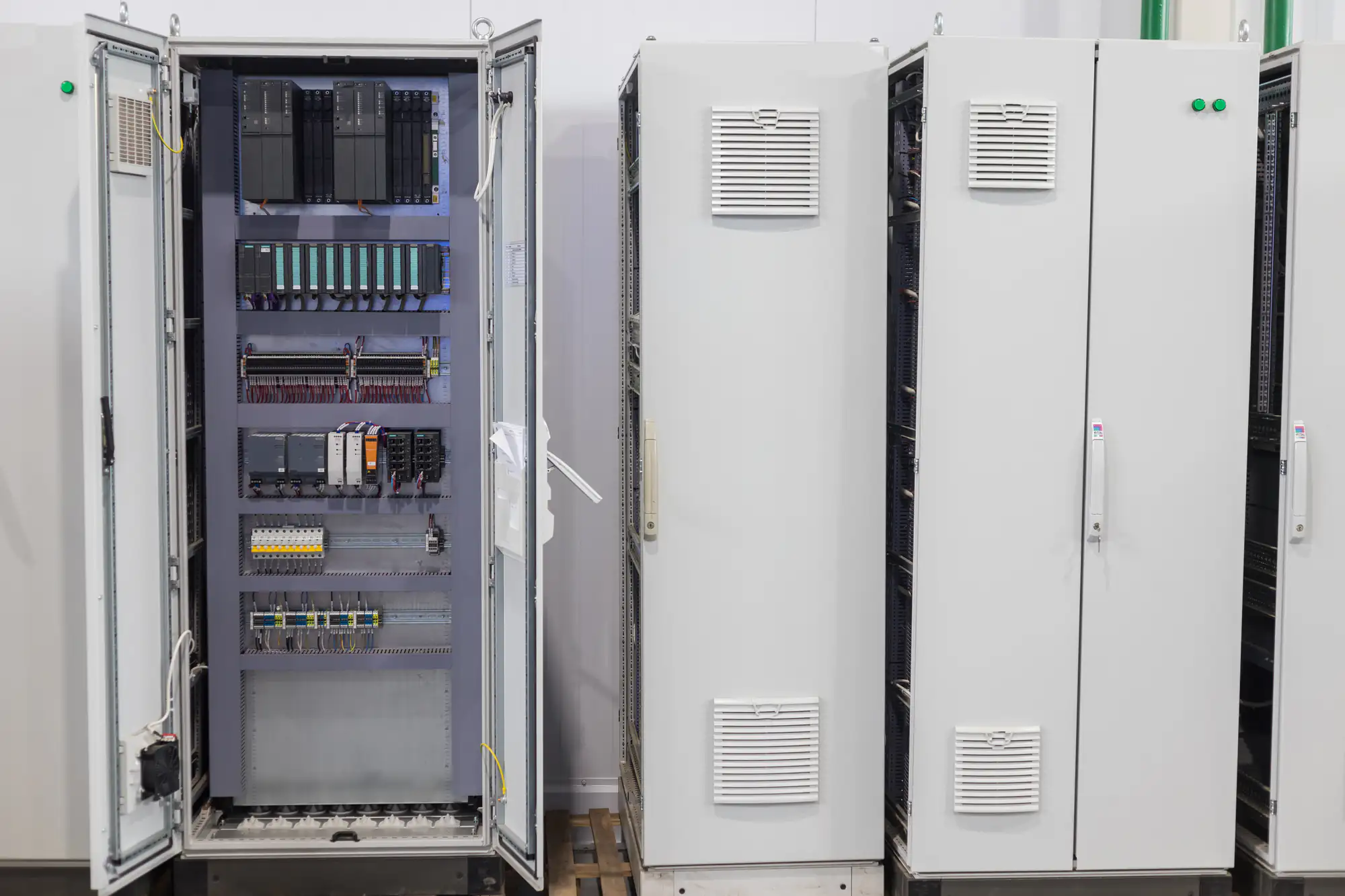
Subpanel installations add extra circuit capacity without overloading your main panel. These are particularly useful for Mill Basin homes adding workshops, garages, or home additions that need dedicated electrical service. Subpanels receive power from your main panel but allow for more efficient circuit management in areas located far from the main panel.
Mill Basin’s location near the water means proper grounding and moisture protection are especially important. All work includes coordination with Con Edison for service disconnection and reconnection, plus all required permits and inspections through NYC’s Department of Buildings.
The service includes testing all circuits, proper labeling of breakers, and documentation showing your electrical system meets current NYC electrical codes. You also get warranties covering both labor and materials used in the installation.
How do I know if my Mill Basin home needs a panel upgrade?
Most Mill Basin homes built in the 1950s still have original 60-amp or 100-amp panels that can’t safely handle modern electrical demands. Signs you need an upgrade include breakers that trip frequently, lights that dim when appliances start up, or having to unplug devices to use others.
Today’s homes typically need 200-amp service to run air conditioning, kitchen appliances, electronics, and charging stations without overloading circuits. If you’re adding major appliances, electric vehicle charging, or planning renovations, your current panel probably can’t handle the additional load.
An electrical inspection can determine if your panel meets current safety standards and has enough capacity for your needs. Many older homes also lack dedicated circuits for high-power appliances and missing GFCI protection in kitchens and bathrooms, which are required by current codes.
What's the difference between a panel upgrade and adding a subpanel?
A panel upgrade replaces your entire main electrical panel with a larger capacity system, typically going from 100 amps to 200 amps. This increases your home’s total electrical capacity and usually requires utility company involvement to upgrade your service connection.
A subpanel adds extra circuit slots without increasing your overall electrical capacity. It’s fed from your main panel and is ideal when your existing panel still has headroom but lacks physical spaces for new breakers. Subpanels work well for garages, workshops, or home additions that need dedicated circuits.
In Mill Basin, subpanels are often used for detached garages or basement workshops where running individual circuits from the main panel would be impractical. The subpanel gives you local control of circuits in that area while keeping everything properly organized and code-compliant.
How long does panel and subpanel work take in Mill Basin?
Most panel replacements take 6-8 hours of actual work time, but the complete process spans 2-3 days due to permit requirements and utility coordination. The first step is obtaining permits from NYC’s Department of Buildings, which typically takes 1-2 days.
Con Edison must disconnect and reconnect service, which requires scheduling their crew. The actual installation involves safely removing the old panel, installing the new one, and connecting all circuits with proper labeling. After installation, a NYC electrical inspector must approve the work before Con Edison restores full power.
Subpanel installations are usually faster, often completed in one day since they don’t require utility disconnection. However, they still need permits and inspections for any new circuits or significant electrical work. Most customers have temporary power during panel upgrades, so you’re not left without electricity.
Do I need permits for electrical panel work in Mill Basin?
Yes, most electrical panel work in NYC requires permits, especially panel upgrades, new circuits, and subpanel installations. As a licensed electrical contractor, we handle all permits and inspections required by NYC’s Department of Buildings.
Major electrical work like panel upgrades, adding new circuits, or installing subpanels requires permits and inspections to ensure everything meets NYC electrical code. The permit process ensures the work is done safely and properly, protecting both you and future owners of your home.
Working without permits can create serious problems with your homeowner’s insurance if issues develop later. It can also cause complications when selling your home, as unpermitted electrical work often needs to be redone to pass inspections. Licensed contractors know exactly which work requires permits and how to navigate Brooklyn’s inspection process correctly.
What does panel and subpanel work cost in Mill Basin?
Panel upgrade costs vary based on your current system and what you’re upgrading to, but most Mill Basin homeowners spend between $2,500 and $4,500 for a complete 200-amp panel upgrade. Subpanel installations typically run $800 to $1,500, depending on the size and how far it is from your main panel.
The cost includes the new panel or subpanel, all necessary circuit breakers, permits, inspections, and coordination with Con Edison for service disconnection and reconnection. Additional costs may apply if your home needs new grounding systems or other code compliance updates.
Factors that affect pricing include the complexity of your current wiring, accessibility of the panel location, and whether additional circuits need to be run. We provide upfront pricing before any work begins, so you know exactly what you’ll pay with no hidden fees or surprise charges when the work is completed.
Can you install subpanels for electric vehicle charging in Mill Basin?
Yes, subpanels are an excellent solution for electric vehicle charging installations in Mill Basin homes. Many existing panels don’t have enough available circuits or capacity to safely handle a 240-volt EV charger along with your home’s other electrical demands.
Installing a subpanel in your garage or near your parking area provides dedicated circuits for EV charging without overloading your main panel. This setup also allows for future expansion if you add a second electric vehicle or other high-power equipment in your garage.
The subpanel installation includes proper 240-volt wiring for the EV charger, GFCI protection as required by code, and all necessary permits and inspections. Since Mill Basin homes often have detached or semi-detached garages, a subpanel provides much more efficient power distribution than running long circuits from your main panel to the charging location.
Local Resources
Other Services we provide in Mill Basin