Panel and Subpanel Work in Midwood, NY
Your Power Problems End Here
Hear from Our Customers
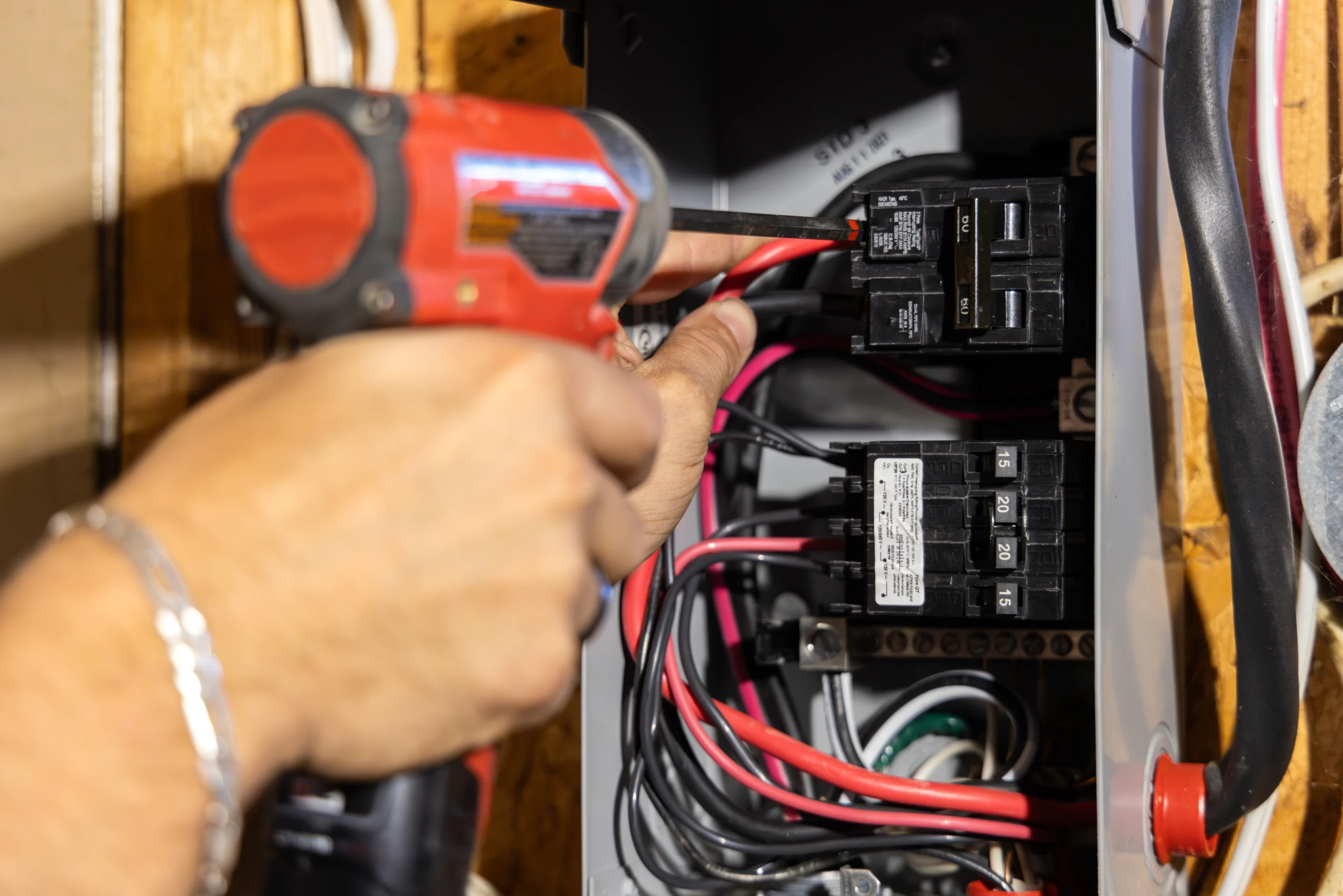
Professional Electrical Panel Services Midwood
You flip a switch and the lights work. Every time. Your breakers stop tripping when you run the dishwasher and microwave together. Your home handles modern appliances without breaking a sweat.
That’s what proper panel and subpanel work delivers. No more rationing power between rooms or wondering if your electrical system can handle what you need it to do.
When your electrical panel works right, you forget it exists. And that’s exactly how it should be.
Licensed Electricians Serving Midwood Brooklyn
We’ve been handling residential, commercial, and industrial electrical work across Brooklyn for years. Our licensed and insured team focuses on safety, code compliance, and building long-term relationships with clients.
Many Midwood homes were built in the 1940s or earlier, which means electrical systems that weren’t designed for today’s power demands. We understand these older Brooklyn homes and know exactly what it takes to bring them up to modern standards safely.
We combine technical expertise with clear communication and honest recommendations. No surprises, no overselling—just reliable electrical work that keeps your home running smoothly.
Panel Installation Process Midwood NY
First, our licensed electrician evaluates your current panel and electrical demands. We’ll check your home’s power usage, existing wiring condition, and identify any code issues that need addressing.
Next comes the planning phase. You’ll get a clear explanation of what work is needed, timeline expectations, and upfront pricing. No hidden costs or surprise fees after the work starts.
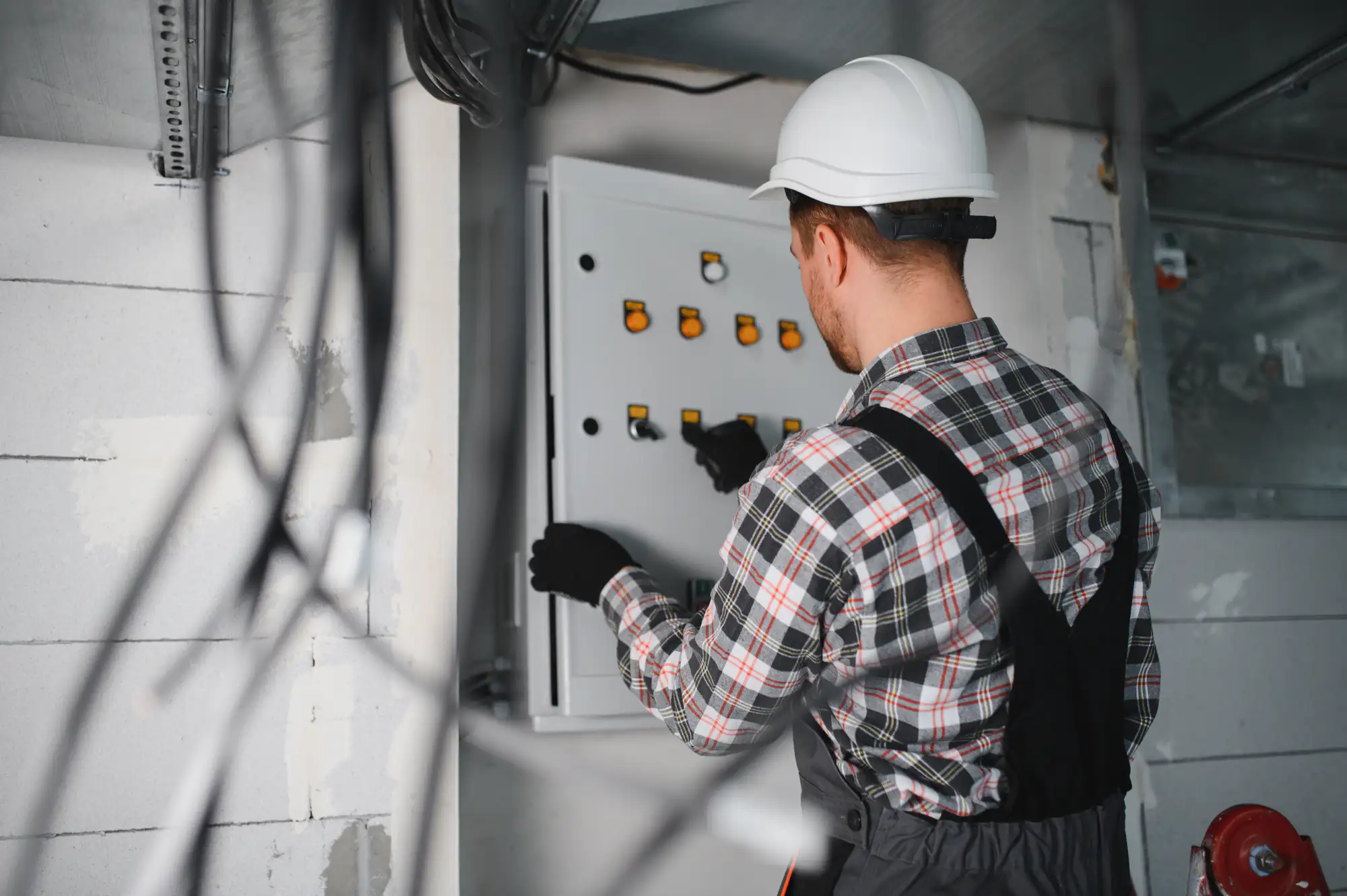
Installation day means turning off power temporarily while the new panel or subpanel gets connected. We handle all permit requirements, ensure proper grounding and connections, and test everything before restoring power. Your home gets a final inspection to confirm everything meets current electrical codes.
Ready to get started?
Complete Panel Subpanel Services Brooklyn
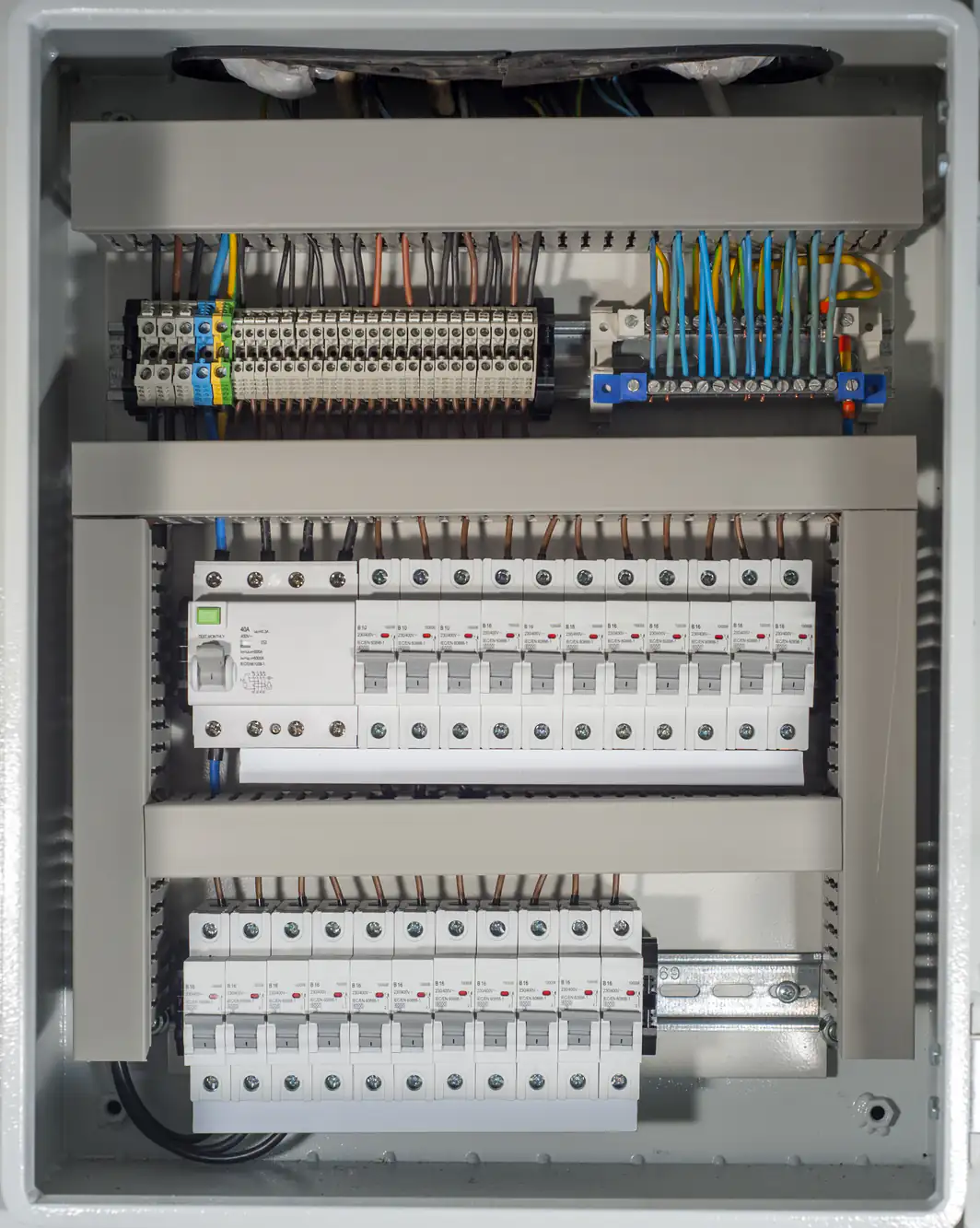
Panel and subpanel work covers everything from basic circuit additions to complete electrical service upgrades. This includes 100-amp to 200-amp panel upgrades, subpanel installations for garages or workshops, and replacing outdated fuse boxes with modern circuit breakers.
Midwood’s older housing stock often needs specialized attention. Many homes still run on 60-amp or 100-amp systems that can’t handle modern appliances, HVAC systems, or home offices. Upgrading to a 200-amp panel provides the capacity today’s homes actually need.
Subpanel installation makes sense when you need power in distant locations like detached garages, or when your main panel lacks space for additional circuits. The work includes all necessary permits, inspections, and code compliance to keep your home safe and your insurance company happy.
How do I know if my electrical panel needs an upgrade?
Several signs indicate your panel needs attention. Frequent breaker trips when running multiple appliances, flickering lights, or burning smells around the panel are immediate red flags.
Age is another factor. If your home has a fuse box or a panel over 30 years old, it likely can’t handle modern electrical demands safely. Many Midwood homes still have panels from the 1960s or earlier that were never designed for today’s power usage.
You’ll also need an upgrade if you’re adding major appliances, installing an EV charger, or renovating spaces that require additional circuits. A qualified electrician can assess your current system and determine if an upgrade makes sense for your situation.
What's the difference between a main panel and a subpanel?
Your main panel receives power directly from the utility company and distributes it throughout your home. It’s the central hub that controls all electrical circuits in your house.
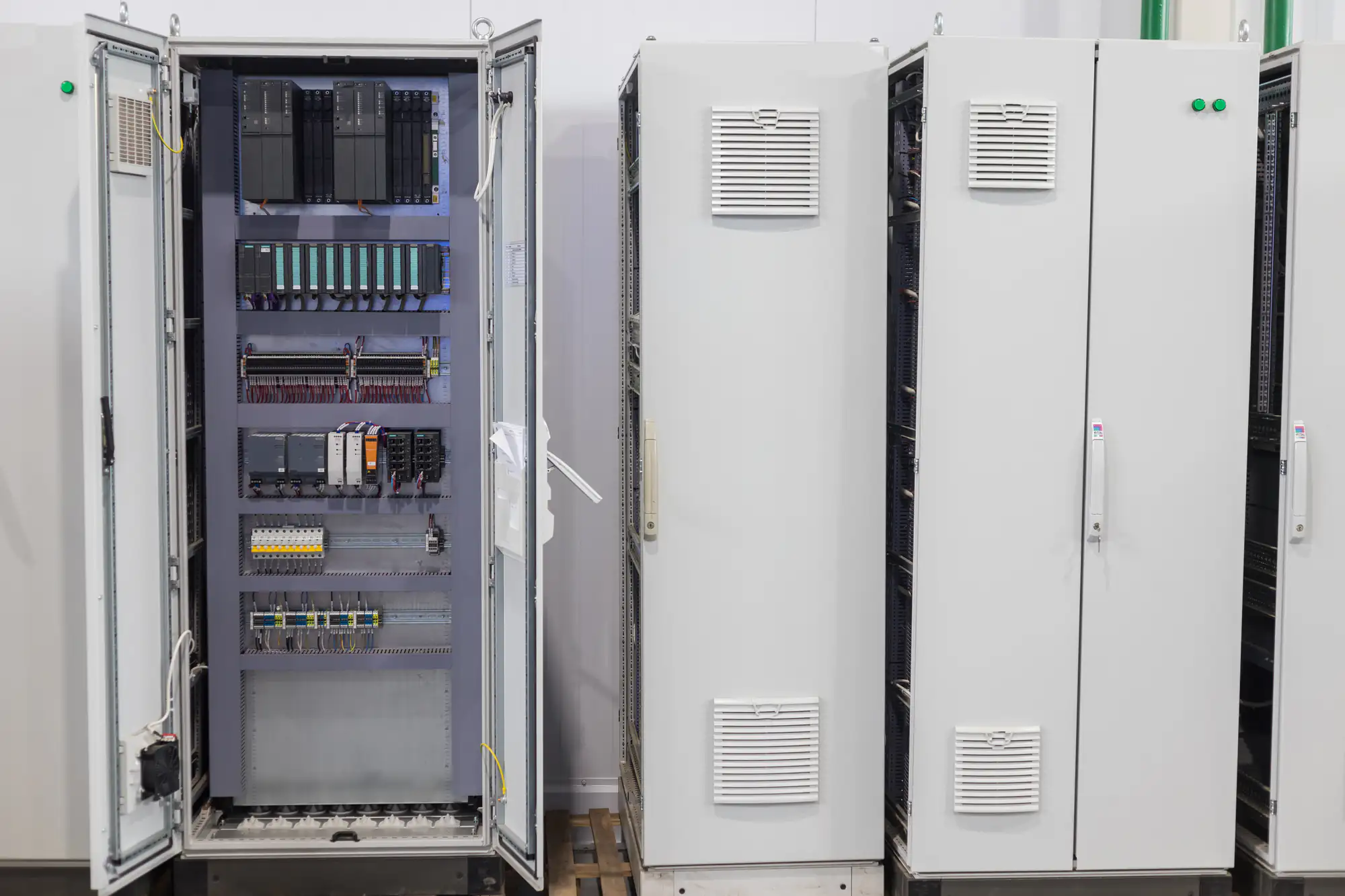
A subpanel is a smaller secondary panel that gets power from the main panel and distributes it to a specific area. Think of it as a branch office that handles electrical needs for places like detached garages, workshops, or additions that are far from the main panel.
Subpanels make sense when you need circuits in distant locations or when your main panel lacks space for additional breakers. They don’t increase your home’s total power capacity—that still depends on your main panel’s amperage rating.
How long does panel or subpanel installation take?
Simple subpanel installations typically take 4 to 8 hours, depending on the location and number of circuits needed. The work goes faster when the subpanel is close to the main panel and doesn’t require extensive new wiring.
Main panel replacements take longer—usually 8 to 10 hours for a straightforward swap, but can extend to 20-30 hours if significant rewiring is needed. Older Midwood homes sometimes require additional work to bring wiring up to current codes.
Your power will be off during parts of the installation, so plan accordingly. Most electricians can coordinate with you to minimize disruption, especially if you work from home or have specific scheduling needs.
Do I need permits for panel and subpanel work?
Yes, electrical panel work requires permits and inspections in New York City. This applies to main panel upgrades, subpanel installations, and major circuit additions.
Permits typically cost $50 to $300, depending on the scope of work. The permit process ensures your electrical work meets current safety codes and gets properly inspected before being approved for use.
A licensed electrician handles permit applications and scheduling inspections as part of the service. Trying to skip permits might save money upfront, but it can cause serious problems later when selling your home or dealing with insurance claims.
Can I add a subpanel instead of upgrading my main panel?
It depends on your current electrical capacity and what you’re trying to accomplish. A subpanel can’t increase your home’s total power—it just redistributes power from your main panel to a specific area.
If your main panel is already at capacity or you’re frequently tripping breakers, adding a subpanel won’t solve the underlying problem. You’ll need a main panel upgrade to increase your home’s overall electrical capacity.
However, if you have available capacity in your main panel but need circuits in a distant location like a garage or workshop, a subpanel makes perfect sense. It’s more cost-effective than running individual circuits over long distances and gives you local control over those circuits.
What size panel do I need for my Midwood home?
Most modern homes need at least 200-amp service to handle today’s electrical demands safely. This includes HVAC systems, multiple appliances, home offices, and potential future additions like EV chargers.
Smaller homes with minimal electrical needs might get by with 100-amp service, but 200-amp panels have become the standard for good reason. They provide room for growth and prevent the electrical system from becoming a limiting factor in your home’s functionality.
The right size depends on your home’s square footage, number of major appliances, and planned electrical usage. A qualified electrician can perform a load calculation to determine exactly what your home needs based on current and anticipated electrical demands.
Local Resources
Other Services we provide in Midwood