Panel and Subpanel Work in Georgetown, NY
Safe, Code-Compliant Panel Upgrades That Actually Work
Hear from Our Customers
Georgetown Electrical Panel Upgrades
Your lights stop flickering. Your breakers stop tripping every time you run the microwave and hairdryer together. You can finally plug in that new appliance without crossing your fingers.
More importantly, you sleep better knowing your electrical system meets current safety codes and won’t put your family at risk. Your insurance company stays happy, your home value goes up, and you’re ready for whatever electrical demands come next.
Modern 200-amp panels handle everything today’s Georgetown homes throw at them—from heat pumps to EV chargers to smart home systems—without breaking a sweat.
Licensed Georgetown Electrical Contractors
We’ve been handling electrical panel and subpanel work across Georgetown and the broader Brooklyn area for years. We’re the licensed, insured team that homeowners call when they need electrical work done right the first time.
We know Georgetown’s housing stock—from older homes that need careful upgrades to newer construction requiring additional capacity. Our electricians understand local codes, work with your insurance requirements, and communicate clearly throughout every project.
You won’t get pushy sales tactics or inflated estimates. Just honest recommendations from electricians who’ve seen what works and what doesn’t in Georgetown homes.
Panel Installation Process Georgetown
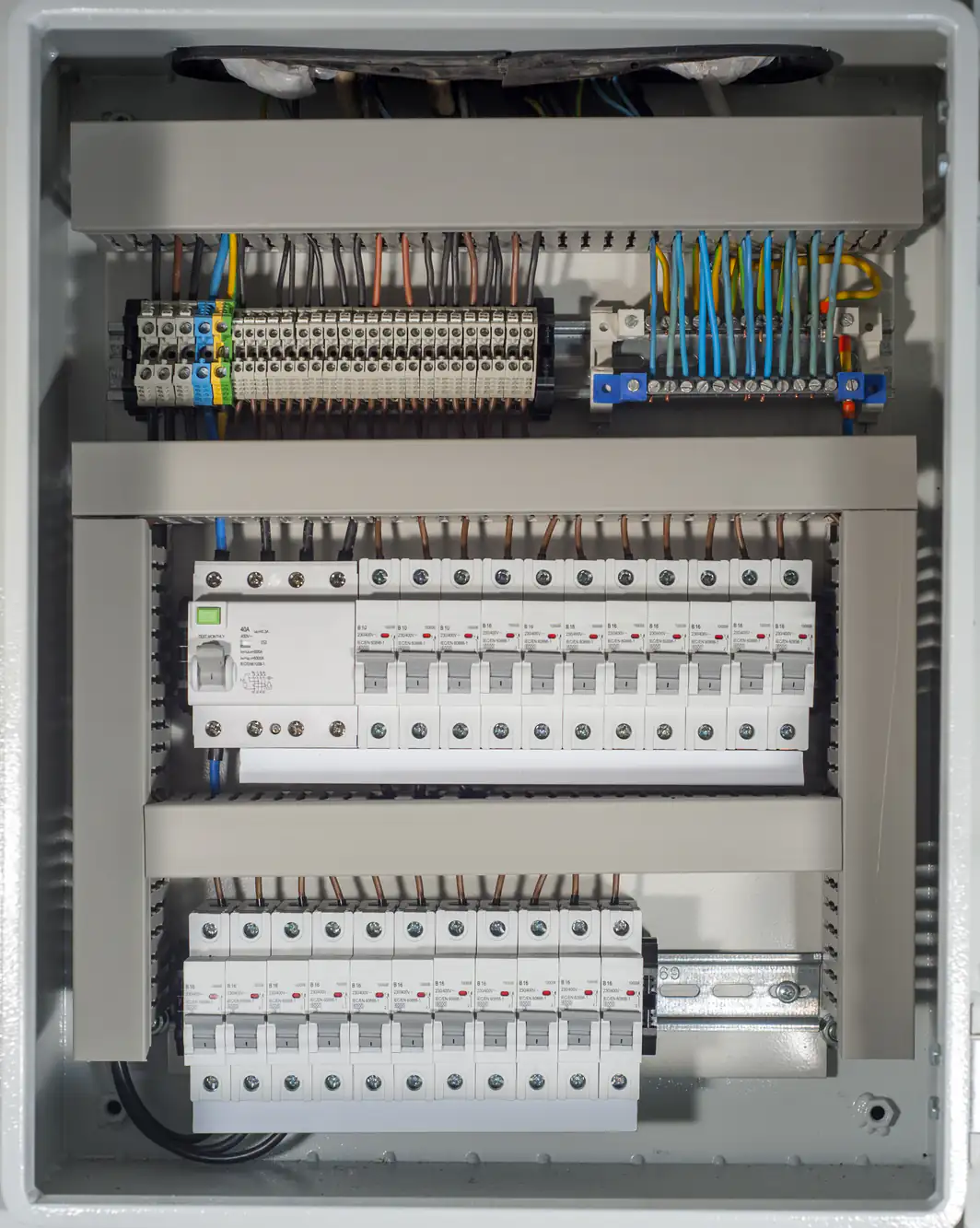
First, we evaluate your current panel and electrical needs. We check your home’s load requirements, inspect existing wiring, and determine whether you need a full panel upgrade or if adding a subpanel makes more sense.
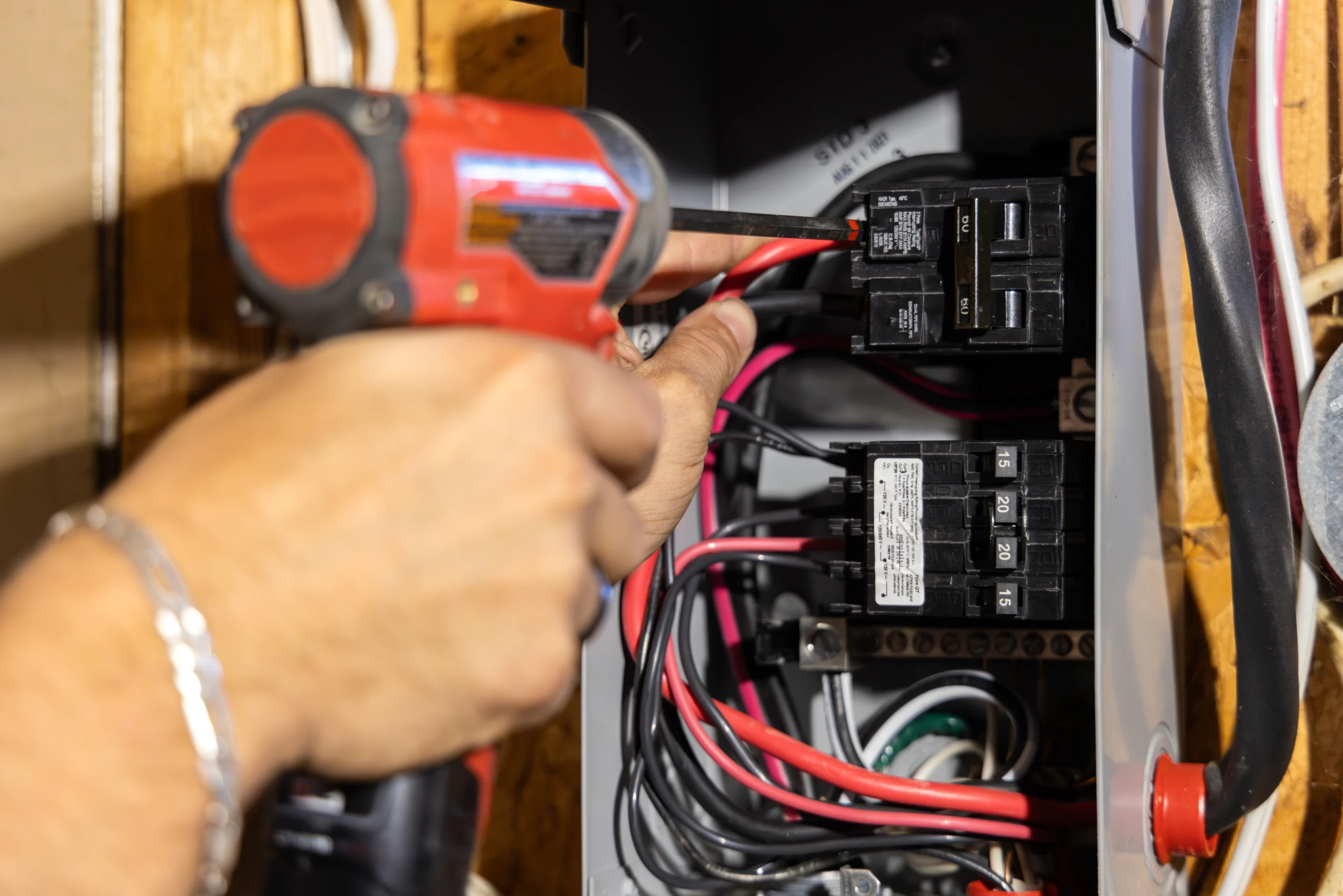
Next comes the installation. We coordinate with your utility company for any necessary service disconnection, pull the required permits, and schedule inspections. Our electricians install your new panel or subpanel according to current codes, connect all circuits properly, and label everything clearly.
Finally, we test the entire system to ensure everything works safely and efficiently. You get a properly functioning electrical system that handles your current needs and leaves room for future additions. The whole process typically takes 4-8 hours, depending on complexity.
Ready to get started?
Georgetown Panel Upgrade Services
Every panel and subpanel project includes proper permitting, code-compliant installation, and thorough testing. We handle 100-amp to 400-amp upgrades, subpanel additions for garages or workshops, and full electrical service upgrades when needed.
Georgetown homeowners often need subpanels for detached garages, home additions, or areas with high electrical demands like workshops. We install these secondary panels with proper grounding, GFCI protection where required, and clear labeling for future maintenance.
Our work comes with proper documentation for insurance purposes, warranties on materials and workmanship, and ongoing support if you have questions. We also coordinate with local inspectors to ensure everything passes inspection the first time.
How do I know if I need a panel upgrade or just a subpanel?
If your main panel frequently trips breakers, has no open circuit slots, or is older than 25 years, you likely need a full upgrade. Georgetown homes with 100-amp or older panels often struggle with modern electrical demands.
A subpanel works when your main panel is in good condition but you need more circuits for a specific area. Think garage workshops, home additions, or kitchens that need dedicated circuits for new appliances. We evaluate your total electrical load and current panel capacity to recommend the right solution.
The key factor is whether your main panel can safely handle additional load. If it’s already maxed out, adding a subpanel won’t solve the underlying capacity problem.
What does a 200-amp panel upgrade cost in Georgetown?
Most 200-amp panel upgrades in Georgetown run between $3,500 and $4,500, including materials, labor, permits, and inspection. The final cost depends on your current electrical service, panel location, and any additional wiring needed.
Subpanel installations typically cost $1,200 to $2,500, depending on size, location, and distance from the main panel. Detached garage subpanels cost more due to underground wiring requirements.
We provide upfront pricing after evaluating your specific situation. Many Georgetown homeowners qualify for federal tax credits up to $600 for electrical upgrades that support clean energy installations, which can offset some costs.
Will upgrading my electrical panel affect my home insurance?
Yes, usually in a good way. Many insurance companies offer discounts for homes with updated electrical panels because they significantly reduce fire risks. Modern panels with proper safety features are much less likely to cause electrical fires than older systems.
Some insurers actually require panel upgrades for older Georgetown homes, especially those with outdated brands like Federal Pacific or aluminum wiring. Having an up-to-date, code-compliant panel can prevent policy cancellations or claim denials.
We provide all necessary documentation for insurance purposes, including permits, inspection certificates, and warranty information. This paperwork proves your electrical system meets current safety standards.
How long does panel installation take and will I lose power?
Most panel upgrades take 4-8 hours, depending on complexity. Subpanel installations are typically faster since they don’t require utility coordination. You’ll be without power for several hours during the main panel replacement.
We coordinate with your utility company to disconnect and reconnect service safely. For Georgetown residents, we schedule work to minimize disruption and can often complete installations in a single day. We’ll let you know exactly what to expect timeline-wise after our initial evaluation.
During subpanel installations, we can often keep most of your home powered while working. We’ll discuss the specific power outage schedule before starting work so you can plan accordingly.
Do I need permits for panel and subpanel work in Georgetown?
Yes, both panel upgrades and subpanel installations require electrical permits in Georgetown. These permits ensure the work meets local and national electrical codes and includes mandatory inspections for safety compliance.
We handle all permit applications and scheduling with local inspectors. Permit costs typically run $50-$300 depending on the scope of work. This isn’t optional—unpermitted electrical work can cause serious problems with insurance claims and home sales.
The inspection process protects you by ensuring everything is installed correctly and safely. We’ve worked with Georgetown’s inspection process for years and know exactly what inspectors look for to pass on the first visit.
Can I add more circuits to my home without upgrading the main panel?
Sometimes, but it depends on your current panel’s capacity and available space. If you have open circuit slots and your panel isn’t overloaded, we can add individual circuits for new appliances or outlets.
However, many Georgetown homes built before 2000 have panels that are already at or near capacity. Adding circuits to an overloaded panel creates safety risks and code violations. A subpanel or main panel upgrade becomes necessary.
We perform load calculations to determine your home’s electrical demand versus your panel’s capacity. This tells us whether you can safely add circuits or need additional electrical capacity first. The math doesn’t lie—we’ll give you the straight answer about what your electrical system can handle.
Local Resources
Other Services we provide in Georgetown