Panel and Subpanel Work in Flatlands, NY
Safe, Code-Compliant Electrical Panel Upgrades
Hear from Our Customers
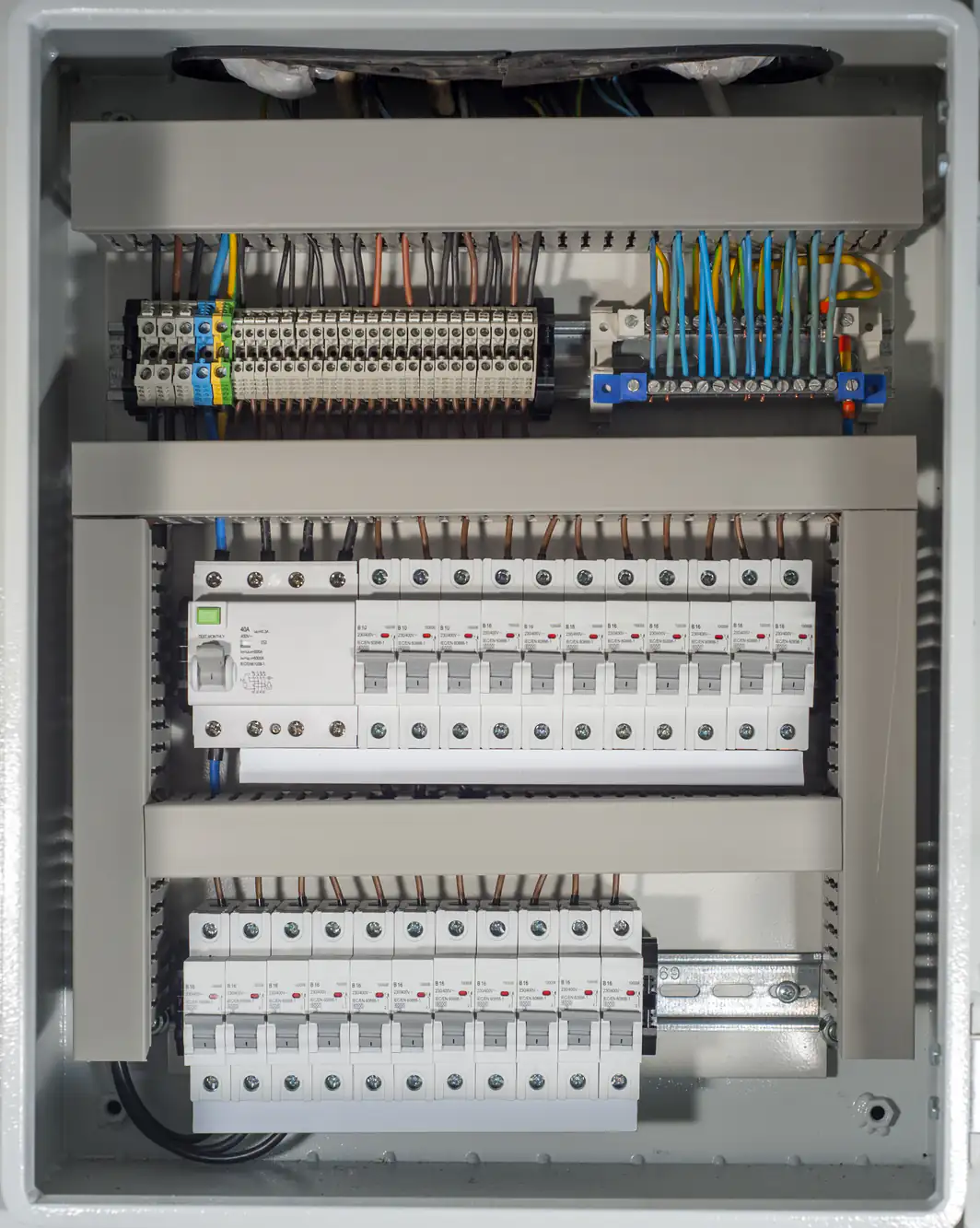
Professional Electrical Panel Services Flatlands
Your electrical panel is the heart of your home’s power system. When it’s working properly, you don’t think about it. When it’s not, everything stops.
A properly upgraded panel means no more tripped breakers during dinner prep. No more flickering lights when you’re working from home. No more worrying about whether your system can handle that new air conditioner or EV charger you’ve been wanting.
You get consistent, reliable power that supports how you actually live. Your family stays safe from electrical hazards, your property value increases, and you’re prepared for whatever electrical needs come next.
Licensed Brooklyn Electrical Contractors
We’ve been serving Brooklyn’s electrical needs with the kind of expertise that only comes from years of hands-on experience in the field. We understand the unique challenges of working in Flatlands and throughout Brooklyn—from the older homes with outdated wiring to the modern properties that need expanded capacity.
Every job starts with a thorough assessment because no two electrical systems are exactly alike. Our licensed and insured team knows NYC electrical codes inside and out, handles all permit requirements, and ensures every installation meets or exceeds safety standards.
The Flatlands community trusts us because we combine technical skill with straightforward communication. You’ll know exactly what needs to be done, why it needs to be done, and what it will cost before any work begins.
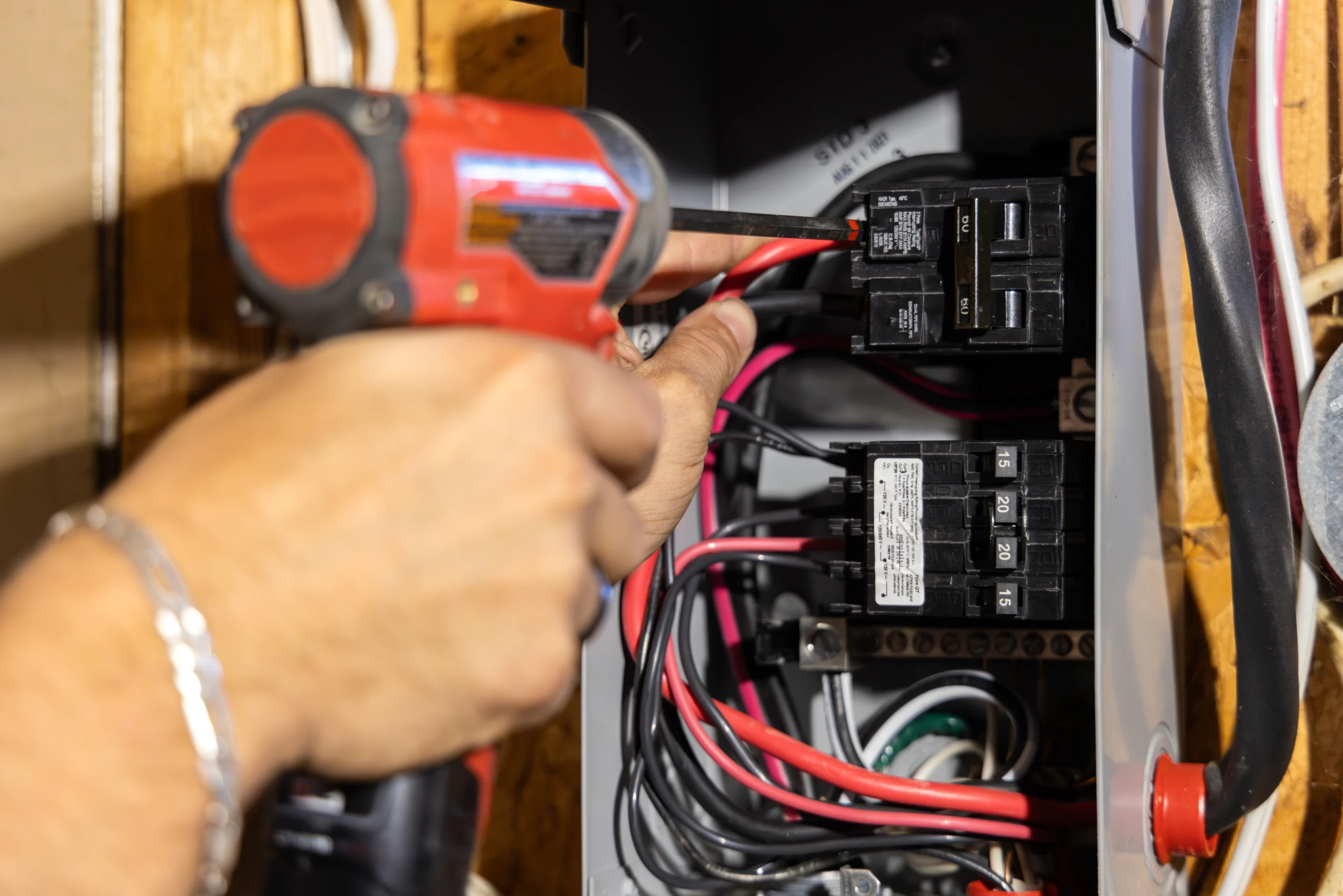
Electrical Panel Upgrade Process Brooklyn
The process starts with a comprehensive evaluation of your current electrical system. This isn’t a quick glance—it’s a detailed assessment of your panel’s capacity, the condition of your wiring, and your actual power needs.
Once you approve the plan, we handle all permit applications with the NYC Department of Buildings. You don’t need to navigate the paperwork or worry about code compliance—that’s all taken care of.
Installation typically takes 4-8 hours depending on the scope of work. The power will be temporarily shut off during certain phases, but you’ll know exactly when to expect this. After installation, a city inspector verifies everything meets code requirements. You’re left with a modern, safe electrical system that’s ready for whatever you plug into it.
Ready to get started?
Panel Subpanel Installation Flatlands NY
Panel upgrades in Flatlands often involve moving from older 60-100 amp systems to modern 200 amp capacity. This isn’t just about more power—it’s about safety, code compliance, and supporting the way you actually use electricity today.
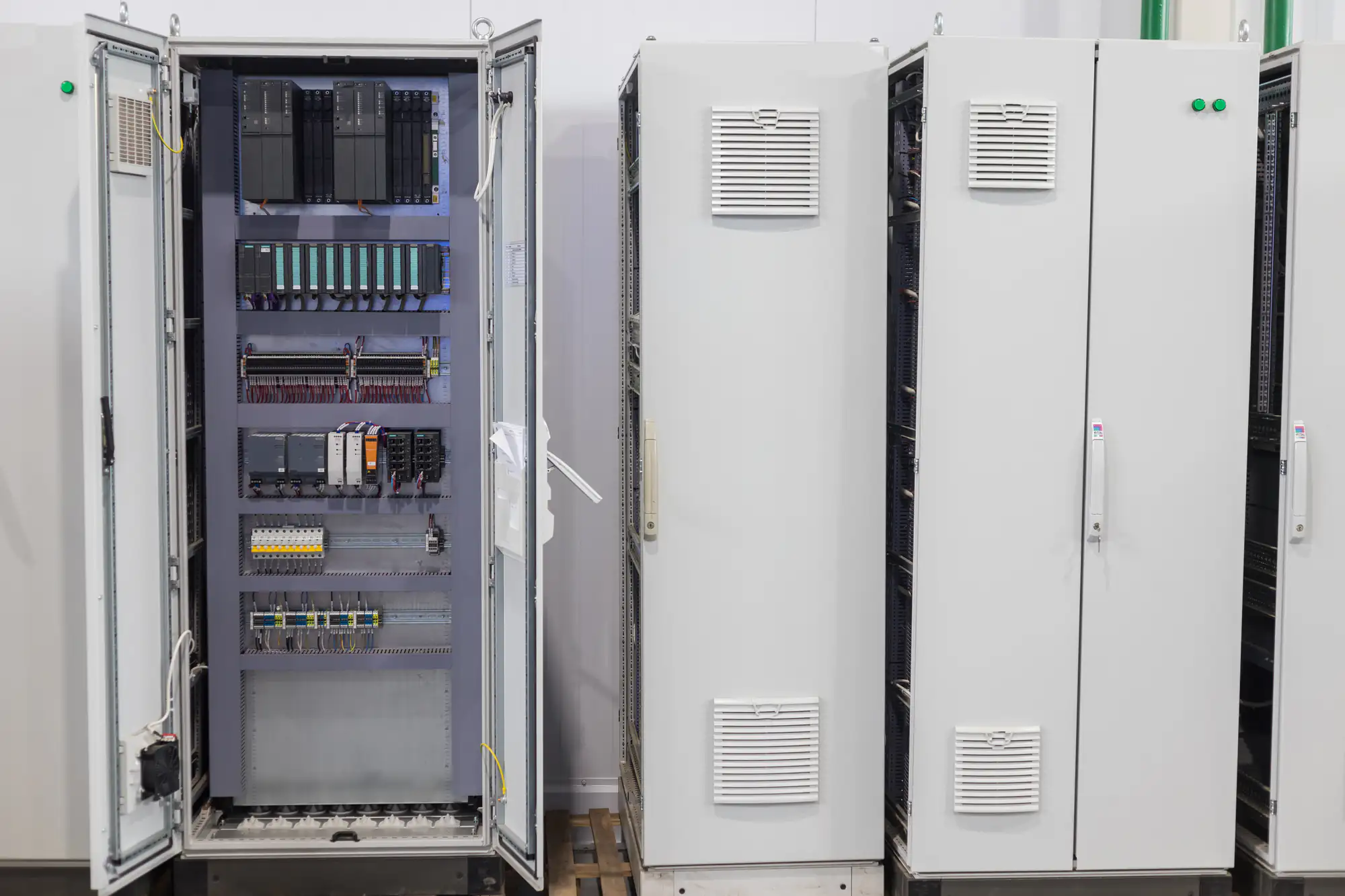
Subpanel installations are particularly valuable in Flatlands homes where you need power in detached garages, basements, or workshop areas. Rather than running long cable runs from your main panel, a strategically placed subpanel gives you organized, efficient power distribution exactly where you need it.
Brooklyn’s electrical code requirements are strict, and for good reason. Every installation includes proper grounding, appropriate circuit protection, and the right materials for your specific situation. The goal isn’t just to pass inspection—it’s to give you an electrical system that works reliably for decades to come.
How do I know if my electrical panel needs to be upgraded?
Several clear signs indicate your panel needs attention. Frequent breaker trips, especially when using multiple appliances, suggest your system is overloaded. Flickering or dimming lights when appliances turn on point to capacity issues.
If your panel is over 30 years old, uses fuses instead of breakers, or is labeled with less than 200 amps, it likely needs upgrading. Older panels from manufacturers like Federal Pacific or Zinsco are known safety hazards and should be replaced immediately.
You’ll also need an upgrade if you’re planning renovations, adding high-power appliances, or installing an EV charger. Modern electrical demands simply exceed what older systems were designed to handle safely.
What's the difference between a panel upgrade and adding a subpanel?
A panel upgrade replaces your main electrical panel with a higher-capacity system, typically moving from 100 amps to 200 amps. This increases your home’s total electrical capacity and often includes updating the service line from the utility.
A subpanel is an additional panel that connects to your main panel and distributes power to a specific area of your property. It’s useful for detached garages, basement workshops, or additions where running individual circuits from the main panel would be impractical.
Subpanels don’t increase your total electrical capacity—they organize and distribute the power you already have more efficiently. If your main panel is near capacity, you’d need an upgrade first, then potentially add subpanels for better distribution.
How long does a panel upgrade take in Flatlands?
Most panel upgrades in Flatlands take 4-8 hours of actual work time, but the full process spans several days due to permit requirements and inspections. The permit application typically takes 1-2 weeks for approval from NYC’s Department of Buildings.
Installation day involves temporarily shutting off power to your home while the old panel is removed and the new one installed. You’ll have advance notice of exactly when this will happen so you can plan accordingly.
After installation, a city inspector must verify the work meets code requirements. This inspection is usually scheduled within a few days of completion. Once approved, you have a fully functional, code-compliant electrical system that’s ready for modern demands.
What does a panel upgrade cost in Brooklyn?
Panel upgrade costs in Brooklyn typically range from $1,500 to $4,000, depending on the complexity of your installation. A standard 200-amp upgrade in a straightforward location usually falls in the $2,000-$3,000 range.
Factors that affect cost include your current panel’s location, whether service line upgrades are needed, the condition of existing wiring, and accessibility. Flatlands homes with panels in tight spaces or requiring additional electrical work will be on the higher end of this range.
The investment pays off through increased safety, code compliance, and property value. More importantly, you get reliable power that supports how you actually live, without the constant worry about overloaded circuits or safety hazards.
Do I need permits for electrical panel work in NYC?
Yes, all electrical panel work in NYC requires permits from the Department of Buildings, and only licensed electricians can file these applications. This isn’t bureaucratic red tape—it’s a safety requirement that ensures your electrical system meets current codes.
The permit process includes plan review, where your proposed electrical work is evaluated for code compliance before installation begins. After completion, a city inspector verifies the installation meets all safety standards.
Working with a licensed contractor like us means we handle all permit applications, inspections, and code compliance requirements. You don’t need to navigate the DOB process yourself or worry about whether the work meets current electrical standards.
Can I add a subpanel to avoid upgrading my main panel?
A subpanel can help organize your electrical distribution, but it doesn’t increase your home’s total electrical capacity. If your main panel is already at or near its amp rating, adding circuits through a subpanel could still overload your system.
The decision depends on your current electrical load versus your panel’s capacity. If you have available capacity in your main panel but need better circuit organization or power in a distant location, a subpanel makes sense.
However, if you’re frequently tripping breakers or your main panel is already maxed out, you’ll need a capacity upgrade first. A qualified electrician can assess your specific situation and recommend whether a subpanel alone will meet your needs or if a main panel upgrade is necessary for safety and functionality.
Local Resources
Other Services we provide in Flatlands