Lighting System Design and Installation in Flatlands, NY
Transform Your Home with Professional Lighting

Hear from Our Customers
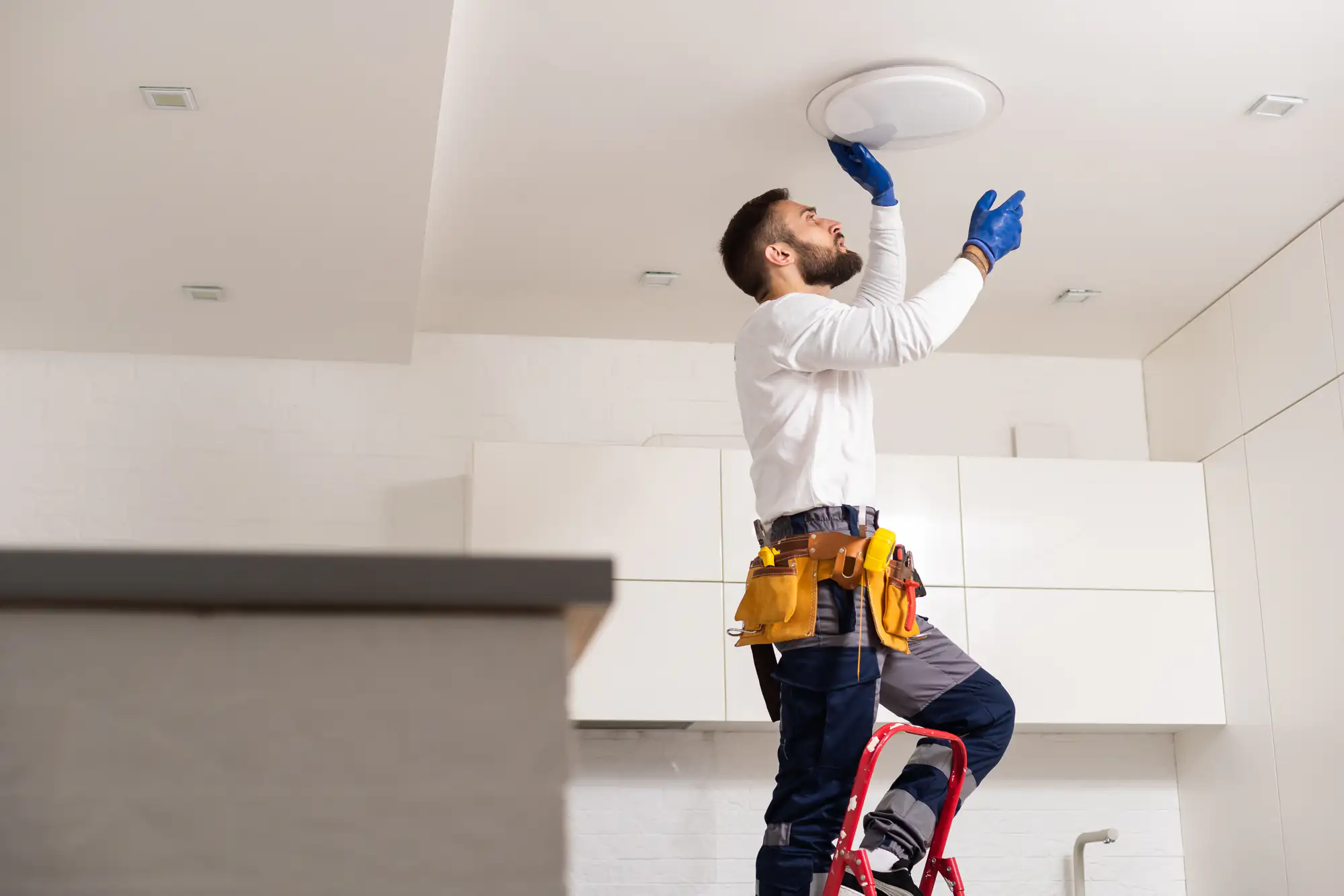
Professional Lighting Design Flatlands Brooklyn
You walk into your home and everything just works. Lights that turn on when you need them, outdoor spaces you can actually use after dark, and an electrical system that doesn’t make you worry every time you flip a switch.
That’s what happens when lighting is designed right from the start. Your energy bills drop because LED systems use up to 90% less power than old fixtures. Your property value goes up because buyers see a home that’s been maintained and upgraded properly.
But here’s what most people don’t think about until it’s too late: safety. Proper lighting prevents accidents on walkways, deters break-ins, and eliminates those dark corners where problems hide. In Flatlands, where many homes were built in the 1940s, upgrading your lighting system often means upgrading the electrical infrastructure that supports it—which protects your family and your investment.
Licensed Electrical Contractor Flatlands NY
We’ve been handling electrical projects across Brooklyn for years, and we’ve seen what happens when lighting systems are installed wrong. Flickering lights, blown circuits, and code violations that cost thousands to fix later.
That’s why we focus on getting it right the first time. Licensed, insured, and familiar with NYC’s electrical codes, our team knows exactly what Flatlands homes need. Many properties in this area were built when electrical demands were much simpler—before central air, modern appliances, and smart home systems.
We’ve worked on everything from complete rewires in pre-war homes to smart lighting installations in newer construction. What sets us apart is our approach: we listen to what you actually need, explain what we’re doing, and deliver work that passes inspection every time.
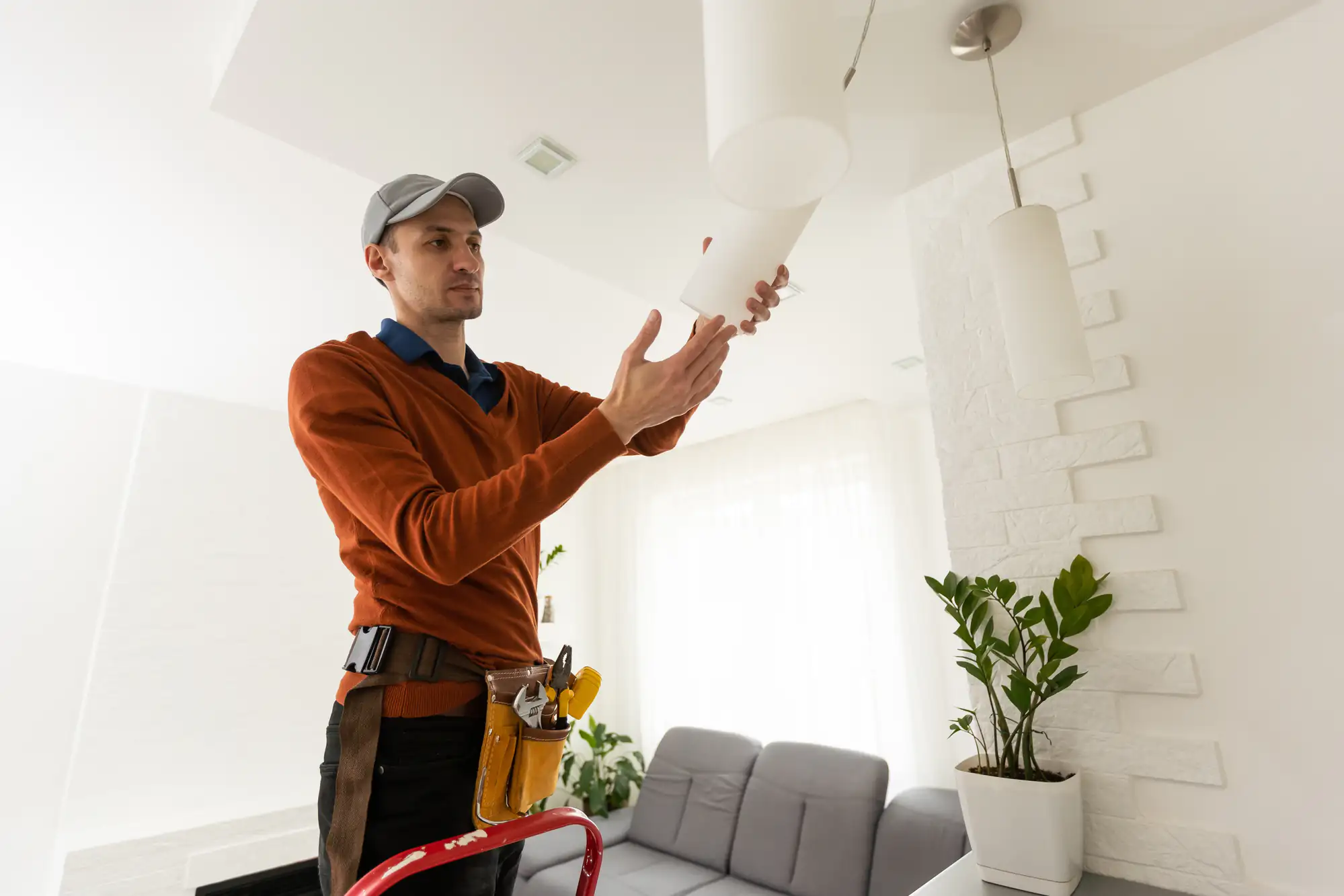
Lighting Installation Process Brooklyn NY
First, we come out to see what you’re working with. Your home’s age, current wiring situation, and what you want to accomplish. No generic estimates—we need to understand your specific setup before we can give you real numbers.
Next comes the design phase. Where do you need task lighting? What areas feel too dark? Are there safety concerns with walkways or stairs? We map out a lighting plan that makes sense for how you actually live in the space.
Installation day means showing up on time with the right materials and permits already handled. We protect your floors, keep work areas clean, and test everything before we leave. You get a system that works properly from day one, plus documentation for your records and any future work.
Ready to get started?
Comprehensive Lighting Services Flatlands Brooklyn
Complete lighting system design that considers your home’s architecture, your family’s needs, and Brooklyn’s specific electrical requirements. This includes load calculations to make sure your electrical panel can handle new fixtures, proper circuit planning, and code-compliant installation.
LED retrofit services that can cut your lighting energy costs by up to 90%. In Flatlands, where many homes still have older incandescent or fluorescent fixtures, this upgrade typically pays for itself within two years through lower electric bills.
Smart lighting integration that lets you control systems from your phone, set schedules, and create different lighting scenes for different times of day. Motion sensors for security and convenience. Dimmer controls that actually work properly with LED fixtures—something many homeowners struggle with when they try DIY installations.
All work comes with proper permits, inspections, and documentation. In NYC, this isn’t optional—it’s required for safety and insurance purposes, and it protects your property value.
How much does lighting system design and installation cost in Flatlands?
Costs depend on your home’s size, current electrical situation, and what you want to accomplish. Basic LED upgrades for a typical Flatlands home might run $1,500-3,000. Complete lighting system redesigns with smart controls and outdoor elements typically range from $3,000-8,000.
Here’s what affects the price: homes built before 1950 often need electrical panel upgrades or new circuits to handle modern lighting loads. High ceilings require special equipment. Smart systems cost more upfront but save money long-term through energy efficiency and convenience.
The key is getting an accurate assessment first. Many contractors give ballpark estimates over the phone, but electrical work in older Brooklyn homes always has surprises. A proper evaluation identifies potential issues before they become expensive problems during installation.
Do I need permits for lighting installation in Flatlands, Brooklyn?
Yes, most lighting work in NYC requires permits, especially if you’re adding new circuits or upgrading electrical panels. The Department of Buildings oversees electrical permits, and only licensed electricians can submit applications.
This isn’t just bureaucracy—it’s about safety. Permits ensure work meets current electrical codes, which have changed significantly since many Flatlands homes were built. Unpermitted work can cause insurance problems if there’s ever a fire or other incident.
The permit process typically takes 2-3 weeks, but experienced contractors know how to navigate this efficiently. We handle the paperwork, coordinate inspections, and make sure everything passes the first time. Trying to skip permits might seem cheaper initially, but it creates much bigger problems later when you try to sell your home or file an insurance claim.
Can you upgrade lighting in older Flatlands homes without rewiring everything?
Often, yes—but it depends on your current electrical setup. Many homes from the 1940s and 1950s have adequate main electrical service but outdated branch circuits that can’t handle modern LED systems safely.
The good news is that LED fixtures use much less power than old incandescent bulbs, so existing circuits can often support more lights than before. The challenge is usually in the connections—old cloth-wrapped wiring, outdated junction boxes, or aluminum wiring that needs special handling.
A proper electrical assessment identifies what can stay and what needs upgrading. Sometimes you can add new lighting by extending existing circuits. Other times you need new runs from the panel. The key is having someone who understands both old Brooklyn electrical systems and current code requirements evaluate your specific situation.
What's the difference between regular electricians and lighting design specialists?
Regular electricians focus on making things work safely and up to code. Lighting designers think about how light affects your daily life—where you need task lighting, how to eliminate shadows, and creating the right ambiance for different activities.
For basic replacements, a good electrician is usually sufficient. But if you’re redesigning spaces, adding outdoor lighting, or integrating smart systems, lighting design expertise makes a huge difference in the final result.
The best approach combines both skills. We understand lighting design principles and have the electrical expertise to implement them properly. We can suggest fixture types and placement that enhance your home’s architecture while ensuring everything works reliably for years to come.
How long does a complete lighting system installation take?
Timeline depends on project scope and your home’s current condition. Simple LED retrofits in a few rooms might take 1-2 days. Complete lighting system redesigns with new circuits, outdoor elements, and smart controls typically require 3-5 days of work.
Older Flatlands homes often take longer because of unexpected issues—outdated junction boxes, difficult wire runs, or electrical panels that need upgrading to handle new loads. We build buffer time into schedules for these realities.
The process isn’t just installation time. Permits take 2-3 weeks to process. Design and planning add another week. Material ordering can add time if you choose custom fixtures. Most projects from start to finish take 4-6 weeks, with actual installation being just the final phase.
Will LED lighting work with my existing dimmer switches?
Probably not without upgrades. Most dimmer switches installed before 2010 were designed for incandescent bulbs and don’t work properly with LED fixtures. You’ll get flickering, buzzing, or lights that won’t dim smoothly.
LED-compatible dimmers solve this problem, but not all LEDs work with all dimmers. The fixtures and controls need to be matched properly for reliable operation. This is one of those details that separates professional installations from DIY disasters.
Modern LED dimming systems offer much more control than old incandescent setups. You can program different lighting scenes, set schedules, and even integrate with smart home systems. But getting there requires replacing both the fixtures and the controls with components designed to work together.
Local Resources
Other Services we provide in Flatlands