Electrical Inspection in Gowanus, NY
Catch Fire Hazards Before They Become Emergencies

Hear from Our Customers
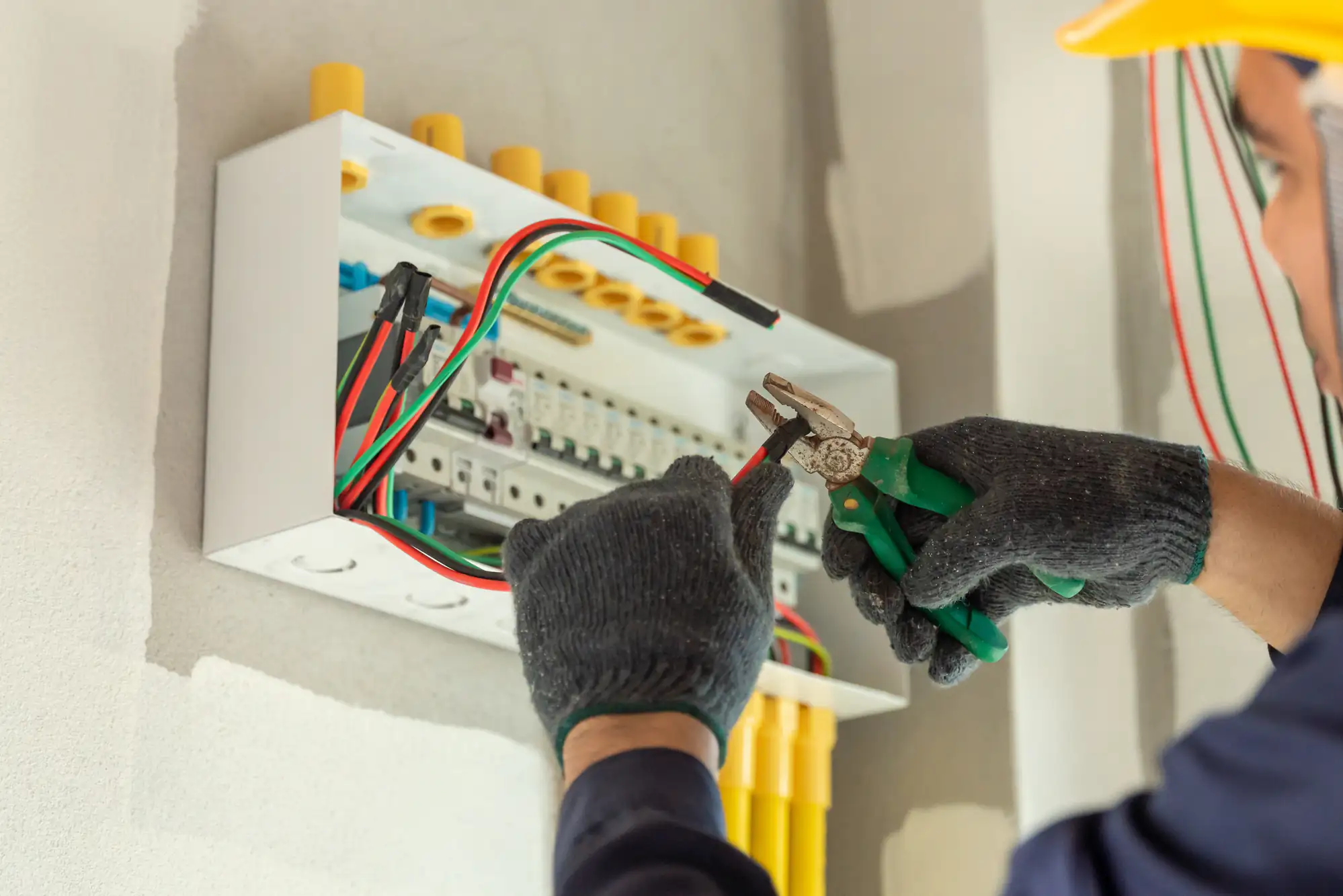
Home Electrical Inspection Services Gowanus
Most electrical problems don’t announce themselves until something goes wrong. A breaker trips once, then twice, then it becomes normal. Lights flicker when the AC kicks on. An outlet feels warm to the touch. You adjust your routine around these quirks because that’s just how old buildings are, right?
Not exactly. Those small signs usually point to bigger issues—overloaded circuits, outdated wiring, panels that can’t handle what you’re asking them to do. A house electrical inspection in Gowanus gives you the full picture: what’s safe, what’s not, and what needs attention now versus later.
You’re not looking for someone to sell you a panel upgrade you don’t need. You’re looking for clarity. Our electrical inspection services in Gowanus walk through your system top to bottom—panel, breakers, wiring, grounding, outlets, code compliance—and give you a detailed report that makes sense. No jargon. No upselling. Just honest guidance on what’s working and what’s not.
Licensed Electrician Gowanus, NY
We’ve been working in Brooklyn for years, and we’ve seen just about every electrical setup Gowanus has to offer. Brownstones with knob-and-tube still running in the walls. Pre-war buildings on 60-amp panels trying to power modern kitchens. DIY wiring jobs that looked fine until someone opened the panel.
We’re licensed, insured, and familiar with NYC’s electrical code—which matters more than people realize when you’re dealing with older properties. Our electrical wiring inspection process is thorough because it needs to be. We’re not here to rubber-stamp your system. We’re here to tell you what’s actually going on so you can make informed decisions about your home and your family’s safety.
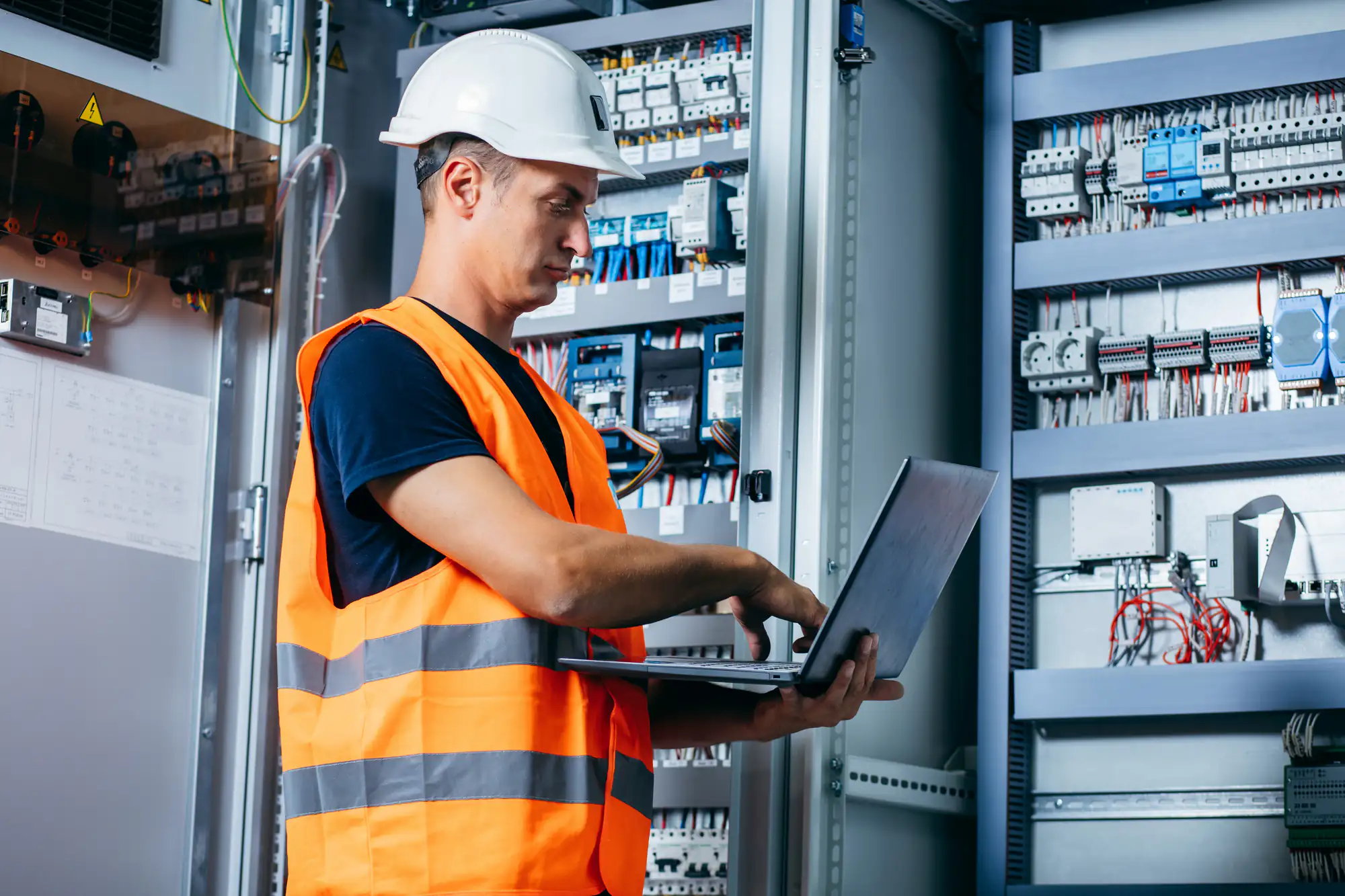
Certified Electrical Inspection Process Gowanus
We start at the panel. That’s where most problems either show up or get hidden. We check the breakers, the wiring connections, the grounding, the amperage, and whether the setup matches what’s actually being used in the house. If your panel is undersized or outdated, you’ll know.
From there, we move through the house. Outlets, switches, junction boxes, GFCI protection in kitchens and bathrooms, wiring conditions, grounding systems. We’re looking for code violations, safety risks, and anything that could cause problems down the line—especially the stuff that’s easy to miss if you don’t know what to look for.
After the inspection, you get a written report. It breaks down what we found, what’s urgent, what’s not, and what your options are. If something needs fixing, we’ll explain why and what’s involved. If your system is solid, we’ll tell you that too. The goal is to give you enough information to make the right call for your situation.
Ready to get started?
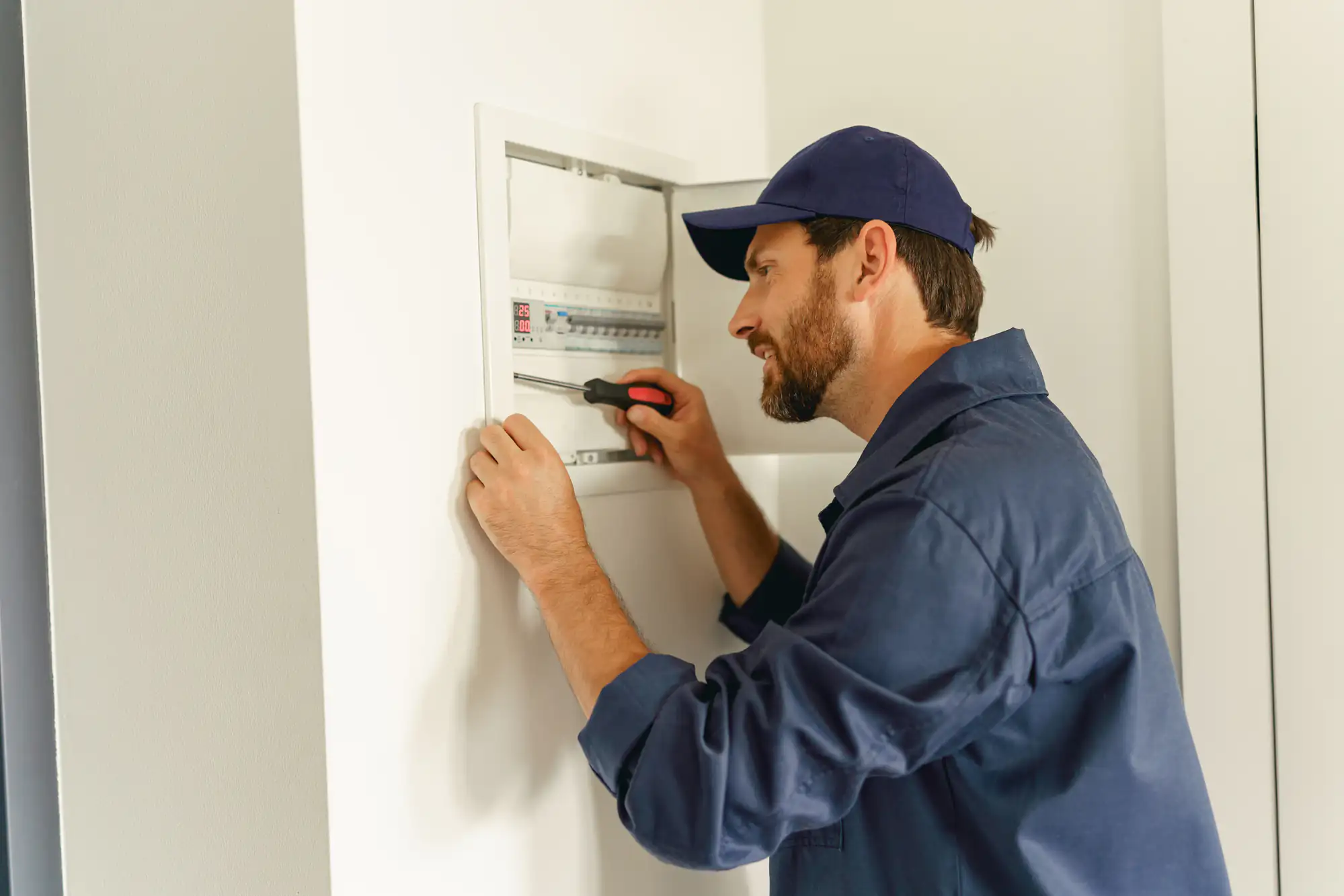
Circuit Breaker Inspection Gowanus, NY
A certified electrical inspection in Gowanus covers your entire system. We check the main service panel and subpanels, circuit breakers, wiring throughout the house, grounding and bonding, GFCI and AFCI protection, outlets and switches, junction boxes, and overall code compliance with NYC electrical standards.
Gowanus has a lot of older housing stock. Many homes were built before modern electrical demands existed, and not all of them have been updated properly. That’s why we pay close attention to things like aluminum wiring, outdated panels, improper grounding, and missing GFCI protection in wet areas. These aren’t small details—they’re fire and shock hazards that show up in older Brooklyn properties all the time.
You’ll also get documentation that’s useful if you’re buying, selling, refinancing, or dealing with insurance requirements. Some insurance companies won’t cover homes with certain panel types or outdated wiring until an inspection confirms everything is safe and up to code. We provide the kind of report that satisfies those requirements without unnecessary back-and-forth.
How much does an electrical inspection cost in Gowanus, NY?
Most electrical inspections in Gowanus run between $150 and $350, depending on the size of your home and how complex the system is. A small apartment with a single panel takes less time than a multi-floor brownstone with subpanels and older wiring.
That cost gets you a licensed electrician who knows Brooklyn’s building codes, a full walkthrough of your electrical system, and a written report you can actually use. It’s not just a checklist—it’s a detailed breakdown of what’s safe, what’s not, and what your options are if something needs attention.
Compare that to the cost of an electrical fire or a failed home inspection during a sale, and it’s a pretty straightforward investment. You’re paying for clarity and documentation, not just someone’s opinion.
What does an electrical inspection actually check for in older homes?
In older Gowanus homes, we’re looking for the usual suspects: undersized panels, outdated wiring like knob-and-tube or aluminum, improper grounding, missing GFCI protection in kitchens and bathrooms, and DIY work that doesn’t meet code. These issues are common in pre-war buildings and brownstones that haven’t been updated in decades.
We also check whether your panel can handle your current electrical load. A lot of older homes are still running on 60-amp or 100-amp service, which isn’t enough if you’ve added central air, a modern kitchen, or you’re planning to install an EV charger. Overloaded circuits are one of the leading causes of electrical fires, and they’re easy to miss if you’re not looking for the right signs.
The inspection covers your entire system—panel, breakers, wiring, outlets, switches, grounding, and code compliance. You’ll know exactly what’s working, what’s risky, and what needs to be addressed sooner rather than later.
Do I need an electrical inspection if I'm buying a home in Gowanus?
Yes. A general home inspection will flag obvious problems, but it won’t give you the full electrical picture. Most home inspectors aren’t licensed electricians, so they’re limited in what they can check and how deep they can go. If you’re buying an older property in Gowanus, you want someone who can open the panel, trace the wiring, and tell you what’s actually going on.
Electrical issues are one of the top negotiating points in Brooklyn real estate. Outdated panels, aluminum wiring, and code violations can cost thousands to fix, and some insurance companies won’t cover homes with certain setups until they’re upgraded. A pre-purchase electrical inspection gives you leverage and helps you avoid expensive surprises after closing.
It’s also worth noting that some mortgage lenders require proof of a recent electrical inspection before they’ll finalize a loan on an older property. Getting it done early keeps the process moving and gives you a clearer sense of what you’re actually buying.
How long does a home electrical inspection take in Gowanus?
Most inspections take between one and three hours, depending on the size of your home and how complicated the electrical system is. A small apartment with a single panel and straightforward wiring is faster. A multi-floor brownstone with subpanels, older wiring, and a history of renovations takes longer.
We’re not rushing through it. A thorough electrical inspection means checking the panel, testing circuits, inspecting outlets and switches, looking at the wiring condition, verifying grounding and GFCI protection, and making sure everything meets NYC electrical code. If we find something that needs a closer look, we take the time to figure out what’s going on.
After the inspection, you’ll get a written report that breaks down what we found. If you have questions or want to talk through your options, we’re available. The goal is to give you enough information to make smart decisions about your property, not to hand you a checklist and disappear.
What are the most common electrical problems in Gowanus homes?
Undersized panels are at the top of the list. A lot of Gowanus homes are still running on 60-amp or 100-amp service, which isn’t enough for modern electrical loads. When you add air conditioning, kitchen appliances, home offices, and EV chargers, you’re asking a 60-year-old system to do a job it wasn’t designed for. That leads to tripped breakers, overheating, and fire risk.
Outdated wiring is another big one. Knob-and-tube wiring, aluminum wiring, and cloth-insulated wiring are still present in older Brooklyn properties. These systems weren’t built for today’s demands, and they degrade over time. Insurance companies know this, which is why some won’t cover homes with certain wiring types until they’re replaced.
We also see a lot of DIY electrical work and unlicensed repairs—missing junction boxes, incorrect breaker sizes, ungrounded outlets, and wiring that doesn’t meet code. It might work fine for a while, but it’s a safety risk and a liability if you ever try to sell.
Will an electrical inspection tell me if my panel needs an upgrade?
Yes. One of the main things we evaluate during an electrical inspection is whether your panel can safely handle your current and future electrical load. If you’re running a 60-amp or 100-amp panel and you’ve added modern appliances, HVAC, or you’re planning to install an EV charger, there’s a good chance you’ll need an upgrade to 200-amp service.
We’ll also check the condition of your panel and breakers. Some older panels—like Federal Pacific or Zinsco—are known fire hazards and should be replaced regardless of capacity. If your breakers are tripping frequently, that’s usually a sign that your system is overloaded or there’s a wiring issue that needs attention.
The inspection report will spell out whether an upgrade is necessary, recommended, or optional. If it’s something that can wait, we’ll tell you. If it’s a safety issue, we’ll explain why and what’s involved in fixing it. You’ll have the information you need to move forward without guessing.
Other Services we provide in Gowanus