Electrified NY Blogs
How to Know When Your Breaker Panel Needs an Upgrade (Brooklyn Guide)
Summary:
Warning Signs Your Electrical Panel Is Overloaded
Your electrical panel works hard every day, distributing power throughout your home safely and efficiently. But when it’s pushed beyond its limits, it starts sending clear distress signals.
The most obvious sign is frequent breaker trips. If you find yourself constantly resetting circuit breakers or replacing blown fuses, your panel is telling you it can’t handle the electrical load you’re placing on it. This isn’t just inconvenient—it’s a safety mechanism working overtime.
Another red flag is when lights dim or flicker throughout your home, especially when large appliances kick on. This usually indicates your panel is struggling to distribute adequate power to all your circuits simultaneously.
Physical Signs of Panel Problems You Shouldn't Ignore
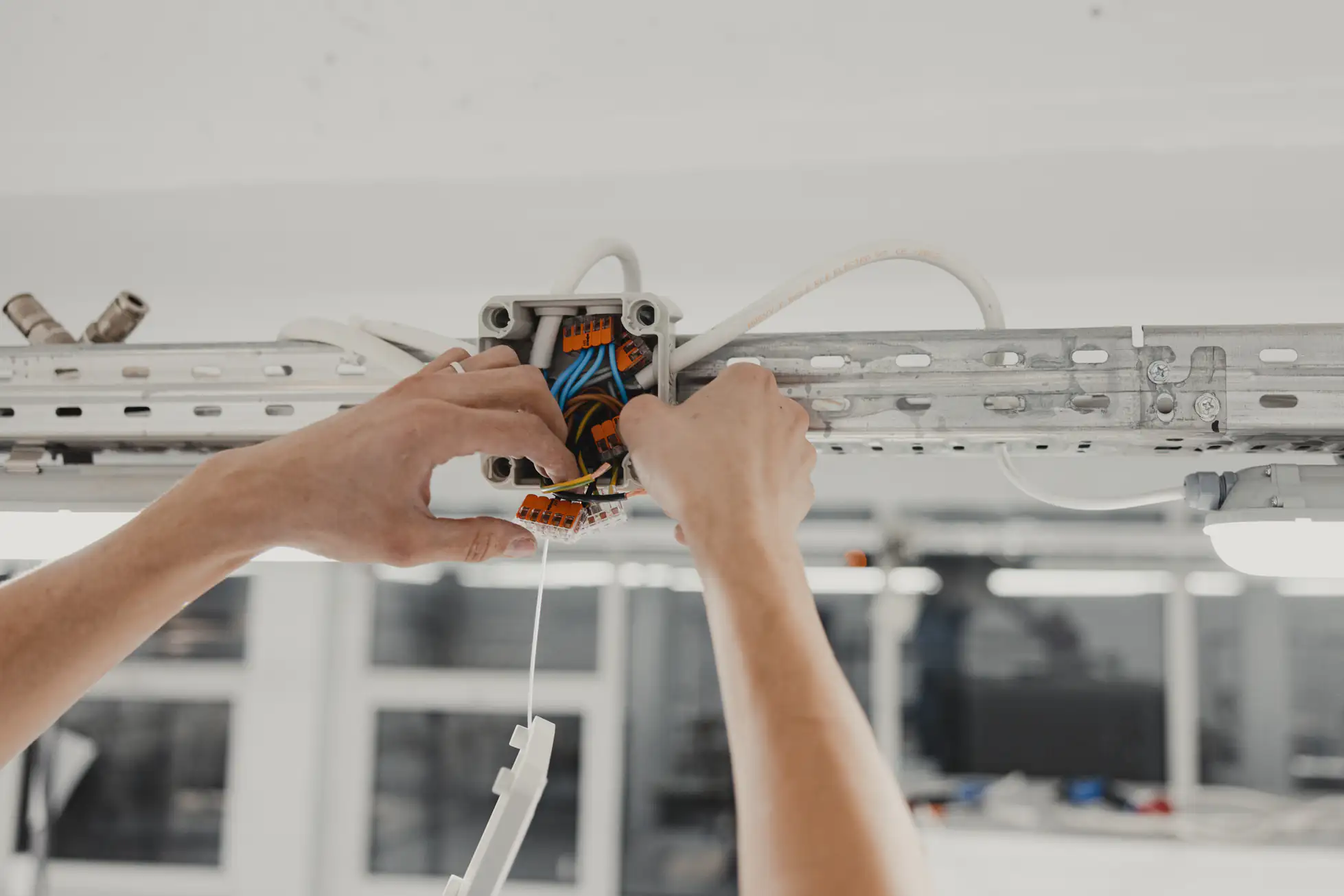
Sometimes your electrical panel will show physical symptoms that demand immediate attention. Warm outlets or switch plates are serious warning signs that shouldn’t be dismissed as minor annoyances.
If any outlet feels warm to the touch, especially when nothing is plugged in, you’re likely dealing with loose connections or overloaded circuits. This heat buildup can lead to arcing, which is when electricity jumps through the air and can cause fires. You might also notice scorch marks or discoloration around outlets, which indicates that dangerous overheating has already occurred.
Burning smells near your electrical panel or outlets are emergency situations. That distinct smell of burning plastic or rubber often means wiring is overheating and potentially melting. If you detect these odors, turn off power at your main breaker and call a licensed Brooklyn electrician immediately.
Strange sounds from your panel also signal trouble. Buzzing, crackling, or popping noises usually indicate arcing inside the panel—a dangerous condition that requires professional attention. These sounds often happen when connections become loose or when your panel’s components start failing.
Don’t ignore rust or corrosion on your panel either. Brooklyn’s humidity can cause moisture problems that compromise electrical connections. Greenish-blue buildup on terminals or rust around the panel box suggests water infiltration, which creates serious safety hazards.
When Your Home's Age Signals an Upgrade Need
The age of your Brooklyn home often tells the whole story about your electrical panel’s condition. If your house was built more than 30-40 years ago, chances are your electrical system wasn’t designed for today’s power demands.
Older homes typically have 60-amp or 100-amp panels, which were adequate when households had fewer electrical devices. Today’s families run multiple computers, large flat-screen TVs, high-efficiency appliances, and various charging devices simultaneously. These modern electrical loads can easily overwhelm an older panel’s capacity.
Fuse boxes are particularly problematic. These outdated systems were only designed to handle about 60 amps maximum, while modern homes often need 200 amps or more. If you still have a fuse box instead of circuit breakers, you’re not just dealing with inconvenience—you’re facing a genuine safety risk.
Certain panel brands are known safety hazards that insurance companies now refuse to cover. Federal Pacific and Zinsco panels, installed primarily in the 1960s and 1970s, have documented safety issues including breakers that fail to trip during overload conditions. If your home has one of these panels, replacement isn’t just recommended—it’s essential.
The wiring in older Brooklyn homes also plays a role. Knob-and-tube wiring, aluminum wiring, and other outdated systems can’t safely support modern electrical panels. During a panel upgrade, we’ll assess whether your home’s wiring needs updating too.
Want live answers?
Connect with a Electrified expert for fast, friendly support.
NYC Code Requirements and Insurance Considerations
Brooklyn electrical work must comply with strict New York City electrical codes, and these requirements directly impact when you need a panel upgrade. The NYC 2025 Electrical Code, which takes full effect in December 2025, sets specific standards for electrical safety and capacity.
Modern code requires adequate electrical capacity for today’s homes, proper grounding systems, and safety features like GFCI and AFCI protection. If your current panel doesn’t meet these standards, you’ll need an upgrade to pass inspections and maintain code compliance.
Insurance companies are increasingly strict about electrical systems too. Many insurers now require panel upgrades before they’ll provide coverage, especially for homes with known problematic panel brands or outdated wiring systems.
Understanding NYC Permit and Inspection Requirements
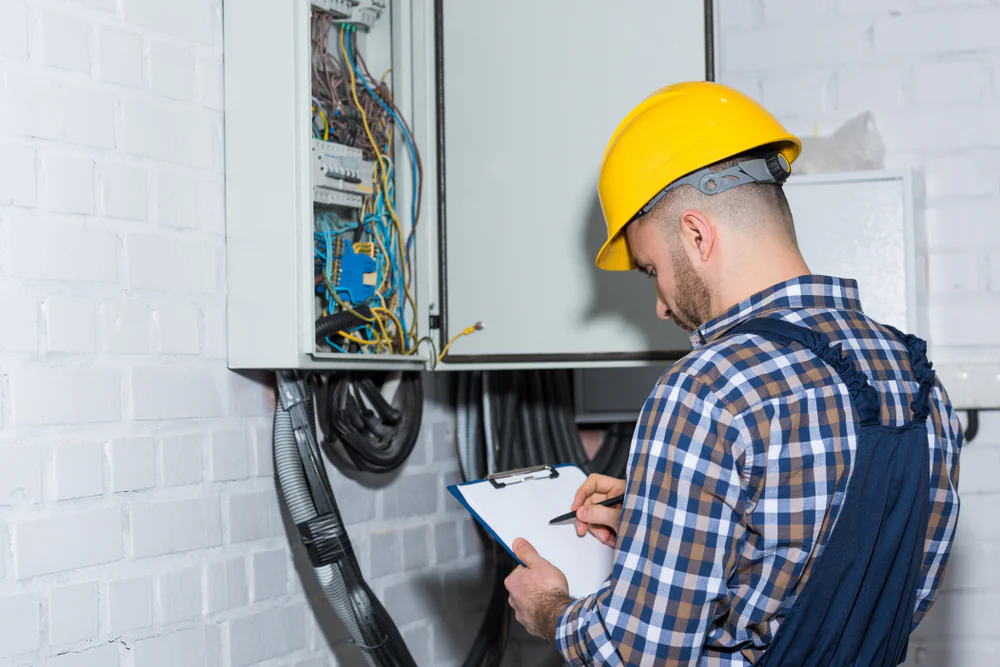
Any electrical panel upgrade in Brooklyn requires proper permits and inspections through the NYC Department of Buildings. This isn’t bureaucratic red tape—it’s a crucial safety measure that protects you and your neighbors.
We handle the permit process as part of our service, ensuring all work meets current electrical codes. The inspection process typically involves multiple checkpoints: initial rough-in inspection, final electrical inspection, and sometimes additional inspections depending on the scope of work.
These inspections verify that your new panel is properly installed, correctly grounded, and safely integrated with your home’s electrical system. The inspector checks that circuit breakers are properly sized, wiring connections are secure, and all safety features function correctly.
Skipping permits might seem like a way to save money, but it creates serious problems. Unpermitted electrical work can void your insurance coverage, complicate future home sales, and most importantly, leave dangerous installations undetected. When electrical fires occur in homes with unpermitted work, insurance companies often deny claims entirely.
Working with us ensures your upgrade is done right the first time. We understand local code requirements, handle all paperwork, and coordinate inspections so you don’t have to navigate the process alone.
How Insurance Requirements Affect Your Decision
Your homeowner’s insurance policy likely has specific requirements about electrical systems that directly impact when you need a panel upgrade. Many insurance companies now conduct electrical inspections before issuing policies, especially for older Brooklyn homes.
Insurance providers view outdated electrical systems as significant fire risks. Homes with Federal Pacific panels, Zinsco panels, knob-and-tube wiring, or aluminum wiring often face higher premiums or policy cancellations. Some insurers simply refuse to cover properties with these known hazards.
The financial implications extend beyond insurance premiums. If an electrical fire occurs and investigators determine it resulted from an outdated or improperly maintained electrical system, your insurance company might deny the claim. This leaves you responsible for potentially hundreds of thousands of dollars in fire damage and rebuilding costs.
Proactive panel upgrades actually help with insurance costs. Many companies offer discounts for homes with modern electrical systems, recognizing that updated panels significantly reduce fire risks. When you upgrade your panel, make sure to notify your insurance agent—you might qualify for lower premiums.
The insurance industry’s focus on electrical safety reflects real-world risks. Electrical fires cause billions in property damage annually, and many of these fires originate from outdated or overloaded electrical panels. By upgrading your panel before problems occur, you’re making a smart investment in both safety and financial protection.
Making the Right Choice for Your Brooklyn Home's Safety
Recognizing when your breaker panel needs an upgrade isn’t just about convenience—it’s about protecting your family, your home, and your financial investment. The warning signs we’ve covered, from flickering lights to warm outlets, are your electrical system’s way of asking for help.
Brooklyn’s mix of historic charm and modern living creates unique electrical challenges, but the solution is straightforward: work with experienced professionals who understand both your home’s character and today’s safety requirements. A properly upgraded electrical panel provides reliable power, meets current codes, and gives you peace of mind.
Don’t wait for a small electrical problem to become a dangerous emergency. If you’re experiencing any of the warning signs discussed, or if your home is over 30 years old with its original electrical panel, it’s time for a professional evaluation. Contact Electrified to schedule an assessment and learn about your upgrade options.