Electrified NY Blogs
Why Brooklyn Homeowners Are Upgrading Their Electrical Panels in 2026
Summary:
What an Electrical Panel Upgrade Actually Does for Your Home
Your electrical panel is the distribution hub for your entire home. It takes power from the street and splits it into circuits that feed different areas. When that panel can’t handle the load anymore, things start breaking down.
An upgrade typically means replacing your existing panel with a 200-amp system. That’s the modern standard for homes with central air, multiple appliances, and any plans for EV charging or smart home tech.
The process involves evaluating your current usage, installing a new panel with proper amperage, updating circuits as needed, and making sure everything meets NYC electrical code. A licensed electrician handles permits and inspections so the work passes muster with the Department of Buildings.
How Electrical Panels Handle Modern Power Demands
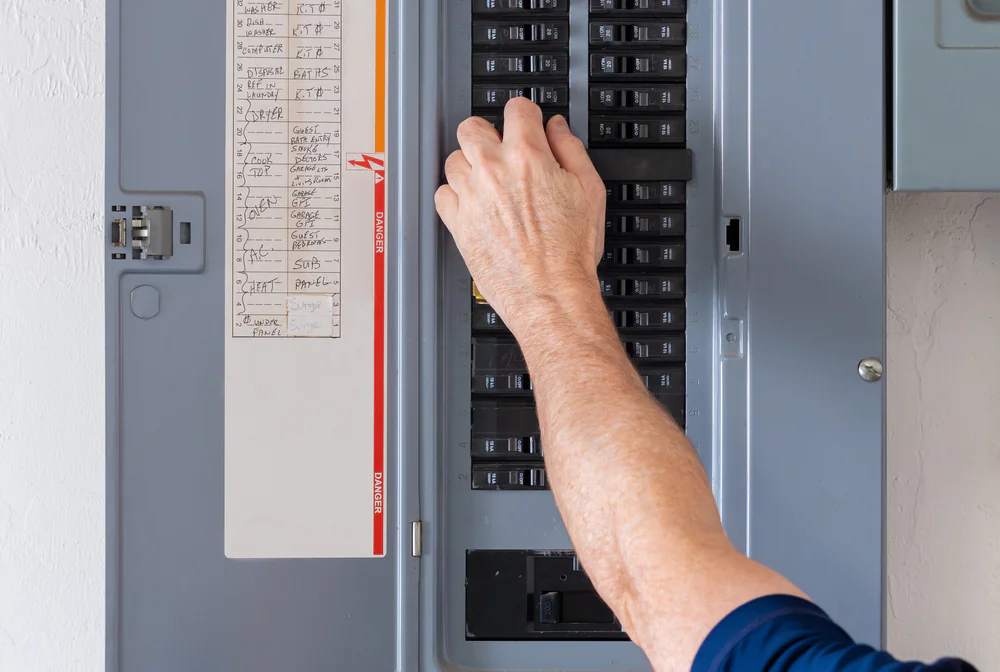
Think about what your home is running right now. Central air conditioning that cycles throughout the day. A refrigerator that never turns off. Washer and dryer. Dishwasher. Computers, TVs, charging stations for phones and tablets. Maybe a home office setup with multiple monitors and equipment.
Now add an electric vehicle that needs 40-50 amps to charge overnight. Smart thermostats, lighting systems, and security cameras that stay connected 24/7. An induction cooktop pulling serious power. High-efficiency heat pump systems for heating and cooling.
Your 100-amp panel was designed decades ago when homes had a fraction of these demands. Back then, a window AC unit and a few appliances were about as intense as it got. The math simply doesn’t work anymore.
When you exceed your panel’s capacity, breakers trip to protect the system. That’s the safety mechanism working as designed. But if it’s happening constantly, the panel isn’t the solution—it’s the problem.
A 200-amp upgrade gives you the breathing room to run everything your home needs without constantly juggling which appliances can be on at the same time. It’s not about luxury. It’s about having an electrical system that matches how you actually live.
Modern panels also come with better circuit protection. AFCI and GFCI breakers that weren’t standard in older systems. Dedicated circuits for high-draw appliances. Proper grounding that older panels might be missing. Space for future additions without requiring another upgrade down the line.
The installation process takes about 4-6 hours for most homes. Your electrician shuts off power temporarily, removes the old panel, installs the new one with proper amperage, connects all circuits, and tests everything before turning power back on. If you’re in Brooklyn, we also coordinate with Con Edison for any service line upgrades needed at the street connection.
Why Brooklyn Homes Need Panel Upgrades More Than Newer Construction
Brooklyn’s housing stock tells a specific story. Pre-war brownstones built in the 1920s and 1930s. Post-war apartments from the 1950s and 1960s. These buildings were constructed when electrical needs were minimal compared to today.
Many Brooklyn properties still have their original 60-amp or 100-amp service. That was fine when the biggest electrical draw was a few light bulbs and maybe a radio. Now you’re trying to run central air, modern appliances, computers, and considering an EV charger on that same system.
The wiring itself might also be outdated. Knob-and-tube wiring. Aluminum wiring from the 1960s and 1970s. Cloth-wrapped wiring that’s deteriorated over decades. These systems weren’t just designed for lower capacity—they also don’t meet current safety standards.
NYC’s compact building layouts create additional challenges. Panels tucked into closets or tight hallway spaces. Limited access that makes upgrades more complex. Walk-up buildings where getting materials and equipment to upper floors takes extra time and coordination.
Brooklyn’s unique building codes add another layer. The NYC Department of Buildings requires permits for panel upgrades. Inspections by the Electrical Plan Review team are mandatory. Only licensed electricians can file permit applications. The process is more involved than in many other areas, but it’s also what keeps installations safe and up to code.
Many Brooklyn homeowners discover they need panel upgrades when they try to add something new. Installing central air. Finishing a basement. Adding a home office with serious electrical needs. The electrician does a load calculation and finds the existing panel is already maxed out.
Others find out during home sales. A buyer’s inspector flags the outdated panel as a safety concern. Insurance companies balk at covering homes with certain older panel types like Federal Pacific or Zinsco. What seemed like a minor issue suddenly becomes a deal point in negotiations.
The good news is that panel upgrades in Brooklyn are routine work for experienced electricians. We know how to navigate tight spaces, work with existing infrastructure, handle permit requirements, and coordinate with utilities. The average cost runs $1,535 to $2,323 for most homes, which includes labor, materials, permits, and inspections.
If you’re planning any major electrical work—kitchen renovation, adding EV charging, upgrading to smart home systems—getting the panel sorted first makes everything else easier. You won’t hit capacity limits mid-project. Future work won’t require another expensive upgrade. And you’ll have the peace of mind that your home’s electrical foundation can handle whatever you need.
Want live answers?
Connect with a Electrified expert for fast, friendly support.
Warning Signs Your Electrical Panel Needs Upgrading
Your home usually tells you when the electrical panel is struggling. Breakers that trip frequently, especially when you’re running multiple appliances. Lights that flicker or dim when the AC kicks on or you start the microwave. Outlets that feel warm to the touch or show discoloration.
These aren’t minor annoyances. They’re your electrical system signaling it’s overloaded and potentially unsafe.
If you’re using extension cords and power strips throughout your home because you don’t have enough outlets, that’s another red flag. The panel likely doesn’t have capacity for additional circuits, and you’re overloading the existing ones.
Frequent Breaker Trips and What They Mean
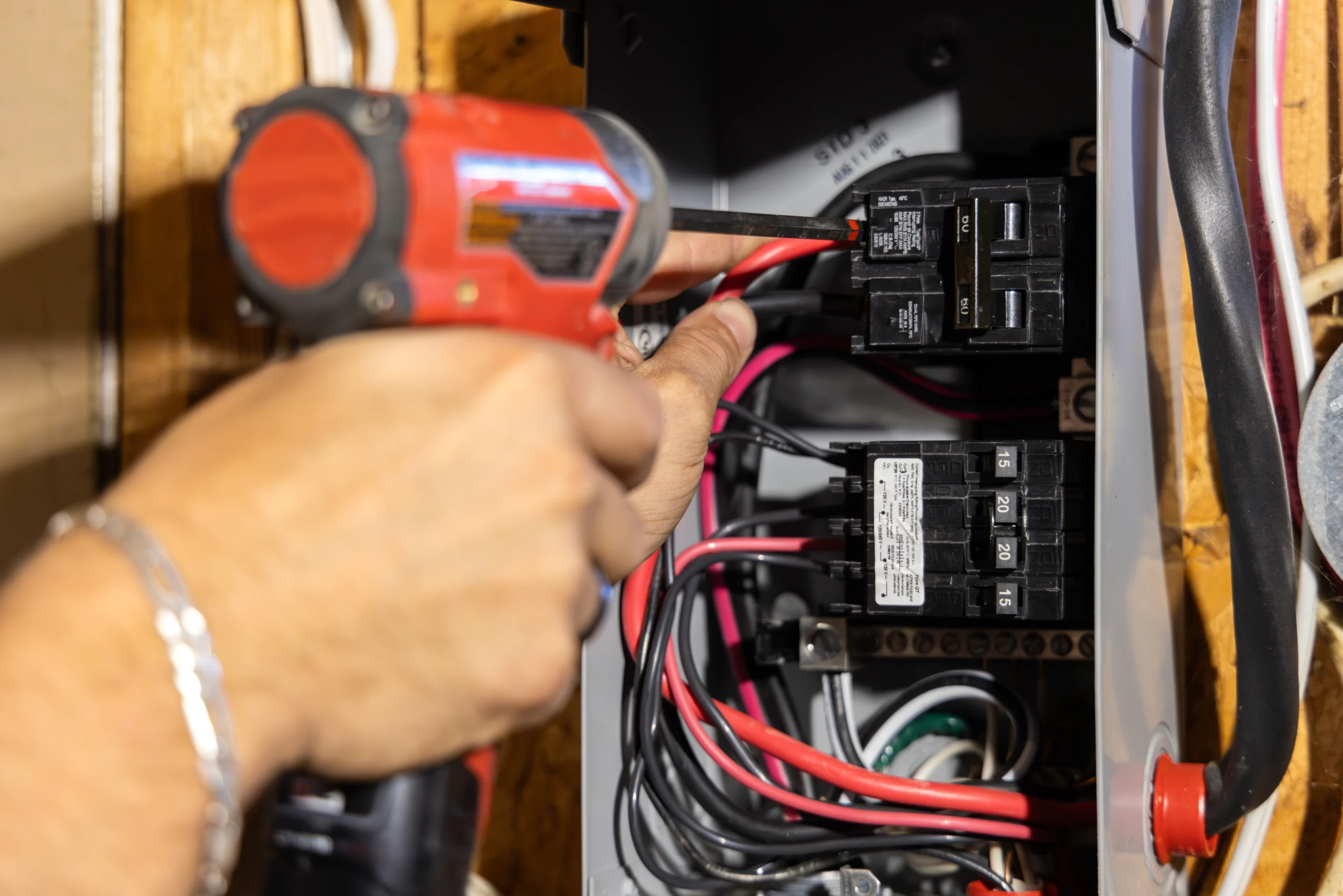
Circuit breakers trip when they detect too much current flowing through the circuit. That’s the safety mechanism working—the breaker cuts power to prevent wires from overheating and potentially causing a fire.
An occasional trip when you plug in a space heater while running the microwave makes sense. That’s a temporary overload on a single circuit. You reset the breaker, unplug something, and move on.
But if you’re resetting breakers weekly or even daily, your panel is telling you it can’t handle your home’s electrical load. You might have too many high-draw appliances on the same circuit. Or your total usage exceeds what the panel was designed to support.
Some homeowners try to solve this by spreading usage across different times of day. Running the dishwasher only when the AC is off. Avoiding the dryer during peak usage times. That’s not a solution—it’s a workaround for an undersized panel.
The real issue is that modern homes use more electricity continuously than older panels were built to handle. Your refrigerator runs 24/7. Smart home devices stay connected constantly. Computers and entertainment systems draw power even in standby mode. Heat pumps cycle throughout the day for heating and cooling.
When you add something intensive like an EV charger that pulls 40-50 amps for several hours overnight, an already-stressed panel simply can’t cope. The math doesn’t work. You need more capacity, not better timing.
Frequent trips also stress the breaker itself. Breakers are mechanical devices with a limited number of trip cycles before they start to fail. A breaker that’s constantly tripping might eventually fail to trip when it should—which defeats the entire safety purpose.
If you’re dealing with this, have an electrician do a load calculation. We’ll measure your actual usage, assess your panel’s capacity, and determine whether you need a panel upgrade or if the issue is isolated to specific circuits that need reconfiguration.
In many Brooklyn homes, especially those built before 1980, the answer is clear: the panel is simply too small for modern electrical demands. Upgrading to a 200-amp system eliminates the constant trips, gives you room for future additions, and ensures your electrical system can safely handle everything your home needs.
Physical Warning Signs of Overloaded Panels
Some warning signs are less obvious than tripped breakers but just as important. Walk up to your electrical panel and put your hand near it—not on it, just close. Does it feel warm or hot? Panels should run cool. Heat indicates excessive current flow or loose connections that are creating resistance.
Look at the panel itself. Do you see any discoloration around breakers or the panel box? Scorch marks? A burning smell? These are serious red flags that components are overheating. This isn’t a “wait and see” situation—you need an electrician immediately.
Listen carefully when standing near the panel. Do you hear buzzing, humming, or crackling sounds? Electrical panels should be silent. Unusual noises indicate loose connections, failing breakers, or arcing—all of which can lead to electrical fires.
Check your outlets throughout the home. Are any warm to the touch? Do plugs fit loosely? Is there discoloration or a burnt smell? These problems often trace back to overloaded circuits or inadequate panel capacity forcing too much current through wiring that wasn’t designed for it.
Many older Brooklyn homes still have fuse boxes instead of modern circuit breaker panels. If you’re still dealing with screw-in fuses that need replacement when they blow, that’s an automatic candidate for upgrade. Fuse boxes typically max out at 60 amps and don’t offer the circuit protection features that modern breakers provide.
Some panel brands are known safety hazards and should be replaced regardless of their current condition. Federal Pacific Electric (FPE) panels from the 1950s-1980s have documented issues with breakers that fail to trip during overloads. Zinsco panels from the same era have similar problems with breakers that appear tripped but still supply power to circuits. If you have either of these, replacement isn’t optional—it’s a safety necessity.
Age alone is a factor worth considering. Electrical panels typically last 25-40 years, but that doesn’t mean they’re still adequate for your needs. A 30-year-old panel might be functioning mechanically but completely inadequate for modern electrical loads. Technology has evolved faster than the panels powering our homes.
If you’re planning to install an EV charger, add solar panels, upgrade to all-electric heating and cooling, or make other significant electrical additions, your panel almost certainly needs evaluation. These systems require dedicated circuits with substantial amperage. A load calculation will show whether your existing panel has the capacity or if an upgrade is necessary before proceeding.
Insurance companies increasingly flag outdated electrical systems as risks. Some won’t provide coverage for homes with certain panel types. Others require inspections and upgrades as conditions of coverage. If you’re buying or selling a home in Brooklyn, expect the electrical panel to come up during inspections.
The bottom line: your electrical panel is the foundation of your home’s entire electrical system. When it’s struggling, everything downstream suffers. Frequent trips, flickering lights, warm panels, and strange noises are all your home telling you it needs more capacity. The solution is straightforward—upgrade to a modern 200-amp system that can safely handle your actual electrical demands.
Getting Your Brooklyn Home Ready for Modern Electrical Demands
The electrical demands on Brooklyn homes in 2026 are fundamentally different than they were even a decade ago. EV chargers, smart home systems, high-efficiency appliances, and all-electric heating and cooling require panels that can deliver the power these systems need safely and reliably.
If you’re dealing with frequent breaker trips, flickering lights, or planning any major electrical additions, start with a professional evaluation. A licensed electrician can assess your current panel, perform load calculations, and recommend whether an upgrade makes sense for your situation.
Most Brooklyn homes benefit from upgrading to 200-amp service. The investment—typically $1,500 to $2,500—pays off through increased safety, eliminated electrical problems, higher home value, and the capacity to add whatever technology your home needs now and in the future.
We handle electrical panel upgrades throughout Brooklyn with a focus on safety, code compliance, and getting the job done right the first time. Licensed, insured, and experienced with Brooklyn’s unique electrical challenges, our team can evaluate your home’s needs and provide solutions that work.