Electrified NY Blogs
Smart Home Electrical Upgrades Every Brooklyn Homeowner Should Consider
Summary:
Why Smart Home Installation Matters in Brooklyn
Brooklyn isn’t just catching up to smart home trends. It’s leading them. Over half of U.S. households now have at least one smart device, and that number keeps climbing. But here’s what makes Brooklyn different: the housing stock.
You’ve got century-old brownstones in neighborhoods like Park Slope and Fort Greene sitting next to new construction. Historic buildings with charm and character, but also with electrical systems that predate the internet, central air, and basically everything plugged into a wall right now. That creates specific challenges that generic smart home installation doesn’t address.
Smart home installation in Brooklyn means working with what’s already there, respecting code requirements that are stricter than most places, and building systems that won’t just work today but will handle whatever comes next. It’s not about ripping everything out. It’s about strategic residential electrical services that actually solve problems.
What Smart Lighting Can Do Beyond Convenience
Smart lighting gets written off as a luxury, but that misses the point entirely. Yes, controlling your lights from your phone is nice. What matters more is what happens when you’re not thinking about it at all.
Automated lighting systems adjust throughout the day without input. Bright, focused light in the morning when you need to be alert. Warmer tones in the evening that don’t mess with your sleep cycle. Lights that turn off when you leave a room, not when you remember to flip the switch. That’s not just convenience. It’s energy savings that add up month after month, especially with New York’s utility rates.
Then there’s the safety angle that really matters. Exterior lights that respond to motion. Interior lights that can simulate occupancy when you’re traveling. Pathways that light up automatically when you’re moving through the house at night. These aren’t gimmicks. They’re practical features that make your home work better for how you actually live.
Modern LED technology plays a huge role here too. A quality LED bulb can last 25,000 to 50,000 hours. Install one now, and it might still be running in 2046. Compare that to the constant replacement cycle of old incandescent bulbs, and the math gets pretty clear. Lower energy bills, less maintenance, better light quality, and a noticeable reduction in heat output during summer months. That’s the real upgrade.
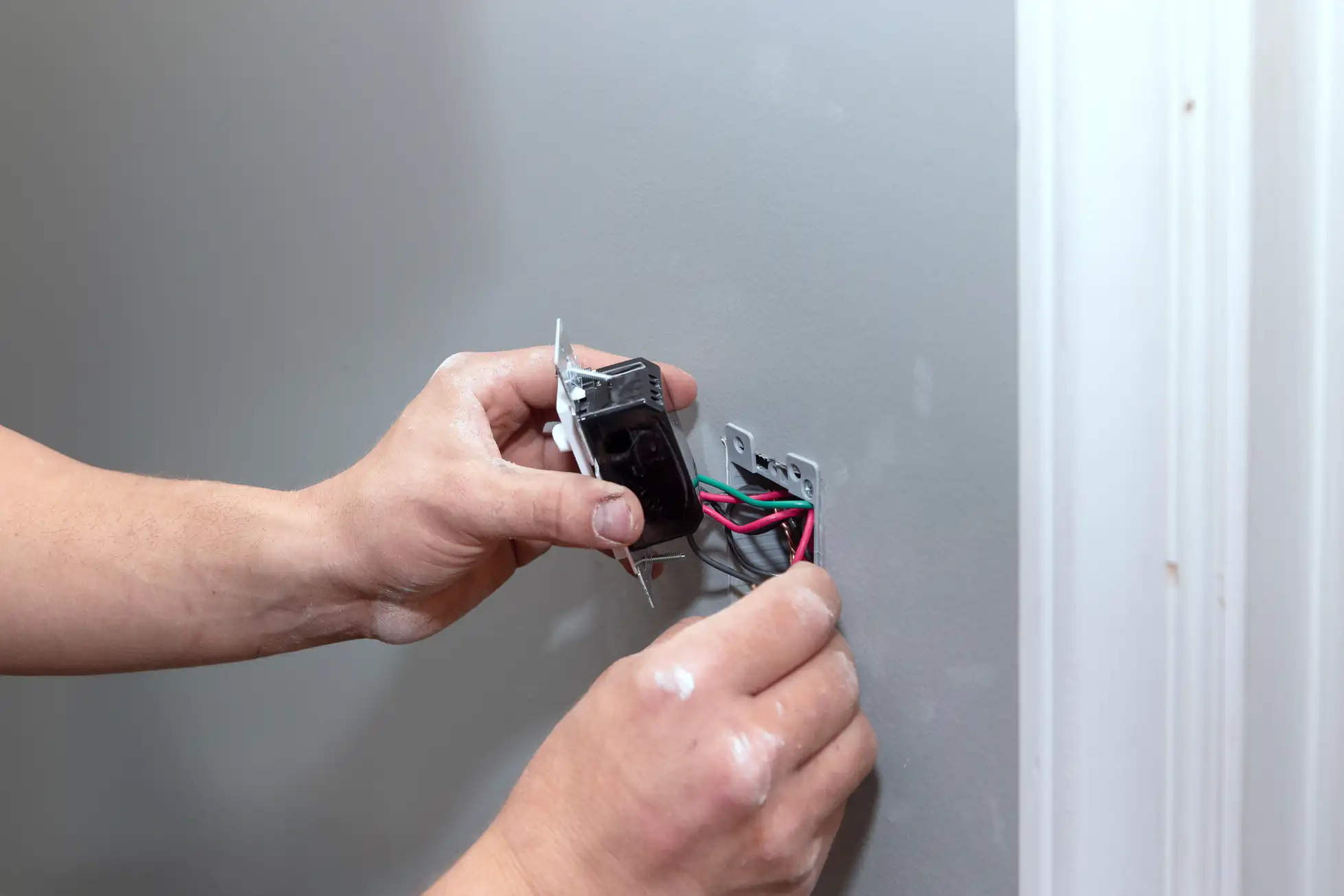
Professional smart home installation ensures everything is wired correctly, compatible with your existing system, and set up in a way that you can actually expand later without starting over. Smart switches need neutral wires, which not every older home has. We can work around that or retrofit what’s needed without tearing up your walls unnecessarily.
And if you’re in a landmarked building in Bed-Stuy or other historic districts, there are specific ways to integrate modern lighting controls while keeping the exterior and visible elements in line with preservation requirements. It’s a common challenge, and it’s absolutely solvable with the right approach and experience with local regulations.
Home Automation Wiring That Actually Lasts
Wireless is great until it isn’t. Devices drop off the network. Signals don’t reach the back bedroom. Batteries die at the worst possible time. That’s why serious home automation still involves real wiring behind the scenes.
Structured wiring creates a backbone for your smart home that wireless can’t match. Cat6 cables for data and internet connectivity. Dedicated circuits for devices that need consistent power. Low-voltage wiring for sensors, cameras, and controls. When done right, it’s completely invisible. When done wrong, it’s an endless mess of troubleshooting and workarounds.
The key is planning for what you’ll add later, not just what you’re installing today. Conduit in the right places means you can pull new cables without opening walls down the road. Extra capacity in your panel means adding circuits doesn’t require another upgrade. Deep junction boxes accommodate smart switches and outlets that are physically larger than standard ones.
Brooklyn brownstones add another layer of complexity to home automation wiring. Original wiring often wasn’t grounded properly. Knob and tube systems are still hiding in some walls. Plaster and lath construction makes running new wires more involved than working with drywall. And if asbestos insulation is present around old wiring, that requires professional abatement before any work can proceed safely or legally.
We know how to navigate those challenges without unnecessary cost or disruption. We know when it makes sense to rewire a section completely versus working with what’s there. We understand the permit requirements and inspection process inside and out. And we can coordinate with other trades if your project involves more than just electrical work.
The other major advantage of proper wiring is reliability you can count on. A hardwired smart thermostat doesn’t lose connection mid-winter. A wired security camera doesn’t buffer when you actually need to check footage. Ethernet-connected devices don’t compete for WiFi bandwidth with every phone and tablet in the house. For systems you actually depend on—climate control, security, critical lighting—wired connections just work better.
Think about your daily routine and where automation would genuinely help, not just look cool. Lights that adjust automatically based on time of day and natural light levels. A thermostat that learns your schedule and adjusts before you get home, so you’re not walking into a freezing or sweltering house. Shades that respond to direct sunlight to keep rooms comfortable without cranking the AC all day. These systems need solid wiring to function reliably year after year, and that’s where professional residential electrical services make all the difference.
Want live answers?
Connect with a Electrified expert for fast, friendly support.
EV Charger Installation and Electrical Capacity
Electric vehicles aren’t a future consideration anymore. They’re here, and New York is pushing hard toward electrification. Starting in 2026, new buildings under seven stories must be all-electric. That’s the direction things are moving, and it affects your home whether you drive an EV today or not.
Installing an EV charger isn’t as simple as plugging into an outlet. A Level 2 home charger, which is what most people install, runs on a 240-volt circuit and can add nearly 70 miles of range per hour of charging. That’s serious power draw, and your electrical panel needs to support it without compromising everything else running in your home.
Many Brooklyn homes, especially older ones, are running on 100-amp or even 60-amp service. That might have been fine when the house was built, but add modern appliances, central HVAC, multiple devices charging simultaneously, and an EV charger, and you’re pushing limits. An electrical panel upgrade becomes necessary, not optional.
How Electrical Panel Upgrades Work
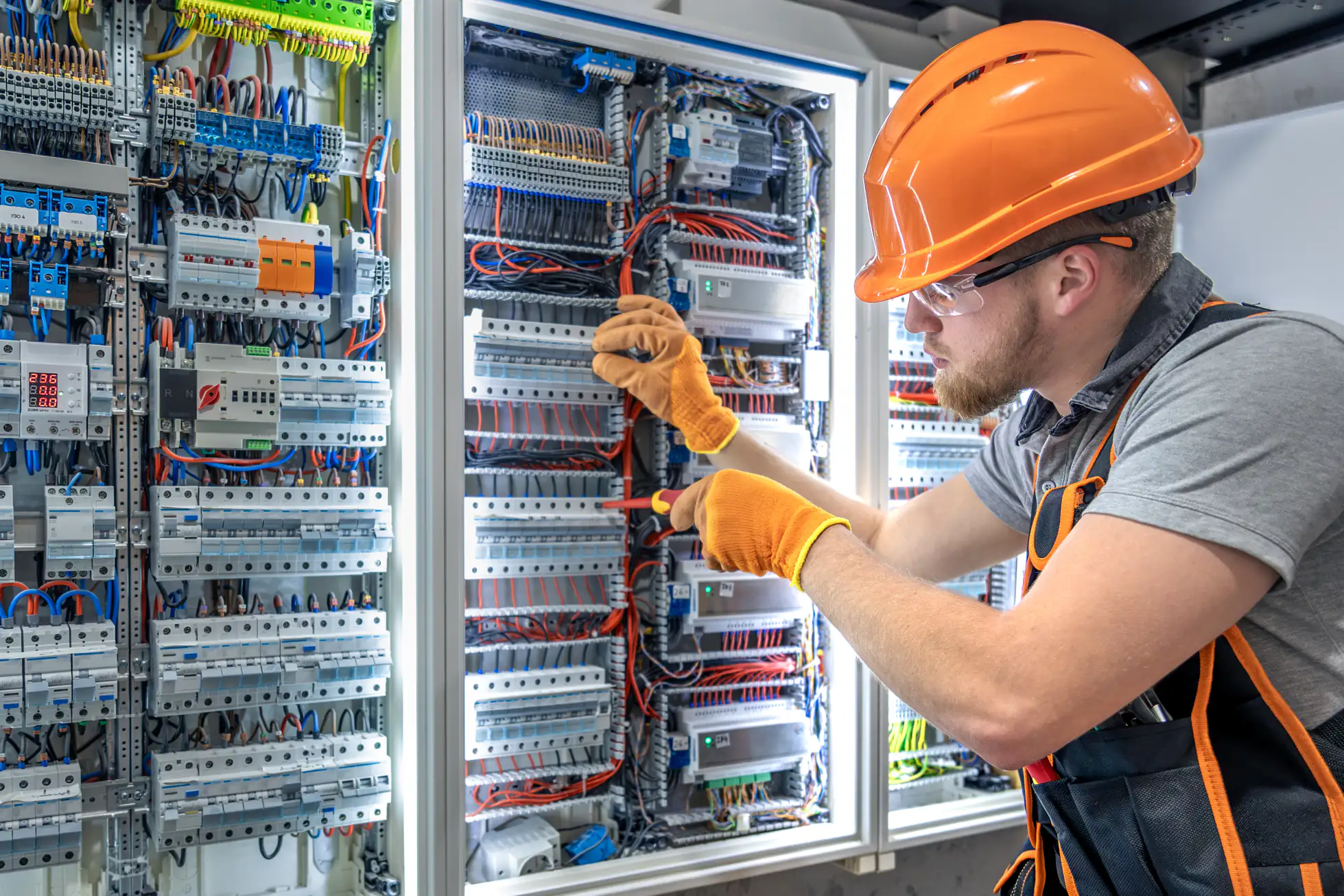
An electrical panel upgrade sounds intimidating, but it’s a straightforward process when handled by licensed electricians who do this regularly. The goal is increasing your home’s electrical capacity so it can handle current and future demands without overloading circuits or creating safety risks.
Most upgrades involve moving from a 100-amp panel to a 200-amp panel. That provides enough capacity for modern appliances, smart home systems, HVAC equipment, and an EV charger without constantly tripping breakers or creating fire hazards. In some cases, especially for larger homes or those planning significant additions, a 400-amp service might make sense for long-term flexibility.
The process typically takes one to three days depending on complexity. We obtain the necessary permits from the NYC Department of Buildings before starting any work. We’ll shut off power at specific intervals, remove the old panel, install the new one with updated circuit breakers, and rewire circuits as needed. If your home needs a new grounding system, that gets installed at the same time. In some cases, the wiring from the utility pole to your meter needs upgrading to handle the increased load capacity.
After installation, a city inspector verifies everything meets current code requirements. This isn’t optional or something you can skip. It’s part of ensuring your home is safe and your insurance remains valid if anything happens. We handle the coordination so you don’t have to chase down inspectors or figure out paperwork and scheduling.
The cost typically ranges from $1,500 to $4,000 for a standard upgrade, though complex projects involving extensive rewiring can run higher. That might seem steep upfront, but consider the alternative. Overloaded panels are a leading cause of residential fires throughout the five boroughs. Flickering lights, frequently tripped breakers, and outlets that feel warm to the touch are all signs your system is struggling and potentially dangerous. Addressing it now prevents bigger problems and expenses later.
For Brooklyn brownstones specifically, panel upgrades often reveal other issues that need attention for safety and code compliance. Outdated wiring that doesn’t meet current standards. Insufficient grounding that creates shock risks. Circuits that were added haphazardly over the years by previous owners without proper planning or permits. A comprehensive upgrade addresses these problems and gives you a system that’s genuinely safe and functional for modern living.
One thing to note: if you’re in a landmarked building, exterior work related to the electrical upgrade may require Landmarks Preservation Commission approval before you can proceed. We know how to handle that process and what alternatives exist if certain approaches aren’t allowed under preservation guidelines.
What to Know About EV Charger Installation
Once your panel can handle the load, installing the EV charger itself is relatively straightforward. We run a dedicated 240-volt circuit from your panel to wherever you’re parking—garage, driveway, or designated spot. The charger mounts on the wall, connects to the circuit, and you’re set to charge at home.
Brooklyn has over 250 free public EV charging locations, which is great for supplementing home charging or handling occasional needs. But relying entirely on public chargers means planning your schedule around availability, waiting for your turn, and hoping the station is working when you get there. Home charging means you wake up with a full battery every morning. It’s the difference between refueling being a task you have to plan around and something that just happens overnight while you sleep.
Level 1 chargers plug into standard 120-volt outlets and are painfully slow. They add about 4 to 5 miles of range per hour. If you’re only driving 20 or 30 miles a day and can leave it plugged in overnight, that might work. For most people with normal driving patterns, it doesn’t. Level 2 chargers are faster, more practical, and what professional EV charger installation typically involves.
Level 3 chargers, also called DC fast chargers, are incredibly fast but require industrial-level power that most residential properties can’t support. They’re not practical for home installation. You’ll find them at commercial charging stations along highways, and they’re what you’d use on a road trip when you need a quick charge during a stop.
The installation process includes obtaining permits, running the dedicated circuit, mounting the charger unit, and having the work inspected by the city. We handle all of that as part of the service. We’ll also help you determine the best location for the charger based on your parking setup, panel location, and how far the circuit needs to run to minimize costs.
Some utility companies and government programs offer rebates or incentives for EV charger installation to encourage adoption. Requirements and amounts vary, but it’s worth checking what’s available before you start the project. We can often point you toward programs that apply to your specific situation and help with any required documentation.
One common question: can you install a charger if you don’t have an EV yet? Absolutely, and it’s often smart to do so. It’s usually easier and more cost-effective to do the electrical work during a renovation or panel upgrade rather than as a standalone project later. Pre-wiring for an EV charger future-proofs your home and can be a genuine selling point if you ever list the property.
Brooklyn’s housing market values modern, functional upgrades that make daily life easier. Homes with updated electrical systems, smart home capabilities, and EV charging infrastructure stand out to buyers. They recognize that these features aren’t just nice to have—they’re increasingly essential for comfortable, efficient living in 2026 and beyond.
Making Smart Electrical Upgrades Work for Your Brooklyn Home
Electrical upgrades aren’t about chasing trends or keeping up with neighbors. They’re about addressing real limitations in your home’s infrastructure and building systems that make daily life better, safer, and more efficient. Panels that can handle modern demands without overheating. Lighting that saves energy without you thinking about it. EV charging that’s ready when you need it. Home automation that actually works reliably without constant troubleshooting.
Brooklyn homes, especially older ones, need thoughtful upgrades that respect their character while bringing them into the present. That takes experience with local building codes, knowledge of historic properties and their quirks, and a focus on doing the work right the first time instead of cutting corners.
If your home is showing signs that it’s time for an upgrade—frequent breaker trips, lights that dim when appliances kick on, or simply not having the capacity for what you want to add—it’s worth having a conversation with someone who knows these systems. We bring that expertise to residential projects across Brooklyn, combining technical skill with a straightforward approach that puts your needs first.