Panel and Subpanel Work in Prospect Park South
Your Electrical System Actually Works Right
Hear from Our Customers
Brooklyn Electrical Panel Upgrades
You flip a switch and the lights come on. Every time. Your appliances run at full power without dimming the rest of the house.
Your breakers stop tripping when you run the dishwasher and microwave at the same time. The burning smell near your old panel disappears completely.
Most importantly, you sleep better knowing your electrical system meets modern safety standards and can actually handle everything you plug into it.
Licensed Brooklyn Electrical Contractors
We’ve been working on Brooklyn’s electrical systems for years, and we understand what these beautiful Victorian homes in Prospect Park South actually need.
These historic properties weren’t built for today’s electrical demands. We’ve upgraded panels in homes just like yours—from the grand Victorians on Albemarle Road to the stately manors throughout the historic district.
We’re licensed, insured, and we handle all the permits and inspections that New York requires. No shortcuts, no surprises.
Panel Upgrade Process Brooklyn NY
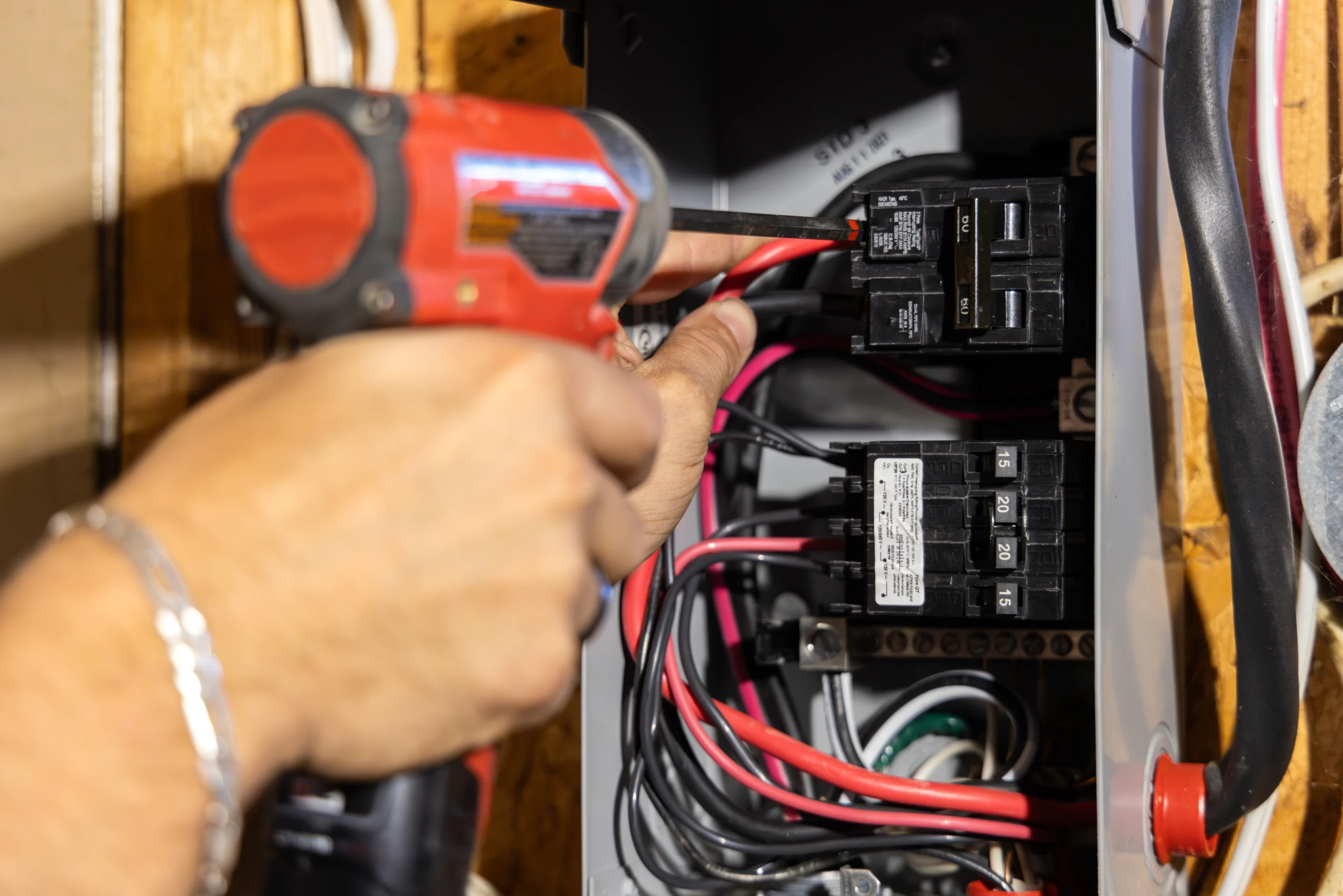
First, we assess your current system and determine exactly what capacity you need. Most Prospect Park South homes benefit from upgrading to 200-amp service to handle modern appliances and technology.
We pull the necessary permits and schedule the work when it’s convenient for you. The actual installation typically takes 4-8 hours, during which your power will be temporarily shut off.
We install your new panel, connect all circuits properly, and ensure everything meets current New York electrical codes. A city inspector reviews our work, and once approved, you’re back up and running with a system that can handle whatever you throw at it.
Ready to get started?
Prospect Park South Panel Services
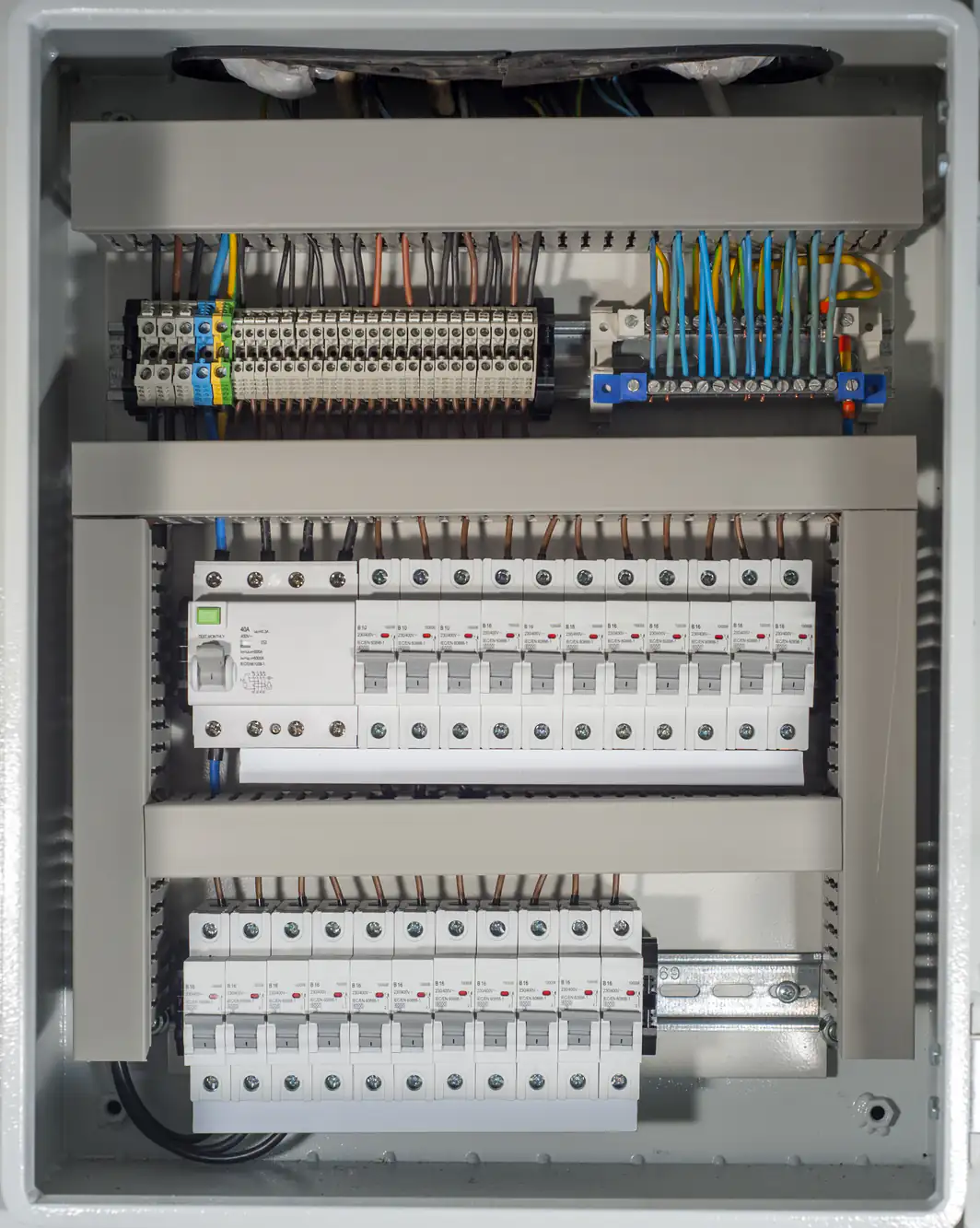
Every panel upgrade includes the new electrical panel, main breaker, individual circuit breakers, proper grounding, and all necessary connections. We handle the permit process and coordinate with city inspectors.
For Prospect Park South’s Victorian homes, we often recommend subpanel installation to handle specific high-demand areas like updated kitchens or home offices without overloading your main panel.
Given that these historic homes often have unique electrical challenges—from knob-and-tube wiring to outdated fuse boxes—we’re prepared to address whatever we find and bring everything up to current safety standards.
How much does an electrical panel upgrade cost in Brooklyn?
Most Brooklyn homeowners pay between $1,500 and $4,000 for a standard panel upgrade, depending on the size and complexity of the job. Upgrading from 100 to 200 amps typically costs $1,300 to $2,500.
The final cost depends on your current setup, the amperage you need, and any additional work required to bring older wiring up to code. We provide upfront estimates so you know exactly what to expect before we start.
Do I need a permit for panel work in New York?
Yes, electrical panel upgrades in New York require permits and inspections. This isn’t optional—it’s required by law and essential for your safety.
We handle all the permit paperwork and coordinate with city inspectors. The inspection ensures your new panel meets current electrical codes and is installed safely. Most insurance companies also require proper permits for electrical work.
How long will my power be out during the upgrade?
Your power will be off for 4-8 hours during the actual panel installation. We schedule this work at your convenience and give you advance notice so you can plan accordingly.
We recommend preparing by moving perishables to a cooler, charging devices beforehand, and having flashlights ready. Most upgrades are completed in a single day, and you’ll have power restored the same day.
Can my old Victorian home handle a modern electrical panel?
Absolutely. We’ve upgraded electrical systems in dozens of Prospect Park South’s historic homes. These beautiful Victorian properties can absolutely support modern electrical systems when the work is done properly.
The key is working with electricians who understand both the unique challenges of historic homes and current electrical codes. We often need to update grounding systems and may recommend strategic subpanel placement to handle high-demand areas efficiently.
Should I upgrade to 200 amps or is 100 enough?
Most modern homes need 200-amp service to handle today’s electrical demands safely. If you’re running central air, electric appliances, home offices, or planning any future upgrades, 200 amps gives you the capacity you need.
100-amp panels can work for smaller homes with minimal electrical needs, but they often become limiting factors when you want to add new appliances or technology. Since panel upgrades are long-term investments, most homeowners choose 200 amps for future flexibility.
What's the difference between a main panel and subpanel?
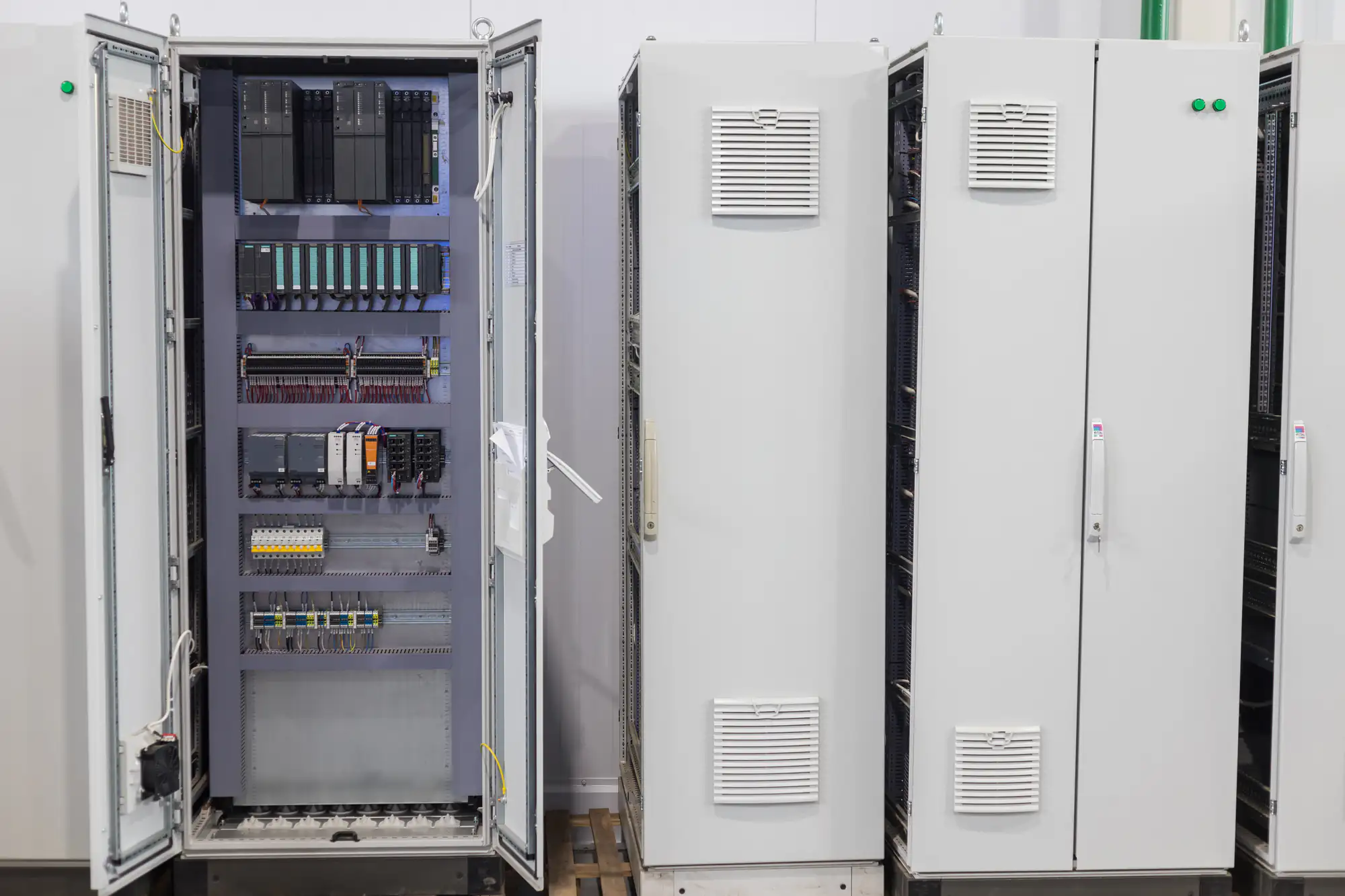
Your main panel receives power from the utility company and distributes it throughout your home. A subpanel connects to your main panel and provides additional circuits for specific areas like garages, workshops, or kitchen renovations.
Subpanels are particularly useful in larger homes or when you need more circuits than your main panel can accommodate. They’re also great for managing high-demand areas separately, preventing overloads and making troubleshooting easier when issues arise.
Other Services we provide in Prospect Park South