Panel and Subpanel Work in Park Slope
Modern Power for Historic Brooklyn Homes
Hear from Our Customers
Electrical Panel Upgrades Park Slope
Your lights stop flickering when you turn on the air conditioner. Your breakers stop tripping every time you use the microwave and coffee maker together. You can actually charge your electric vehicle without worrying about overloading your system.
This is what happens when your electrical panel can handle what you’re asking it to do. Most Park Slope homes were built when families owned maybe a radio and a few lamps. Now you’re running computers, smart home devices, high-efficiency appliances, and trying to add an EV charger to a system that was never designed for this kind of load.
A proper panel or subpanel upgrade means you get reliable power where you need it, when you need it, without the constant worry about whether your electrical system is up to the task.
Licensed Electricians Park Slope NY
We’ve been serving Brooklyn homeowners with reliable electrical work that prioritizes safety and long-term performance. Our licensed and insured team understands the unique challenges of working in Park Slope’s historic buildings—bringing modern electrical capacity to century-old structures while respecting both the architecture and the neighborhood’s character.
Park Slope residents value quality and attention to detail, which is exactly what we deliver. From brownstone renovations to apartment upgrades, we’ve built our reputation on clear communication, honest recommendations, and meticulous workmanship that stands the test of time.
Whether you’re dealing with an overloaded 100-amp panel that can’t handle your family’s needs or you need a subpanel to power a home office or workshop, we bring the technical expertise and local insight that Park Slope homeowners have come to trust.
Panel Installation Process Brooklyn
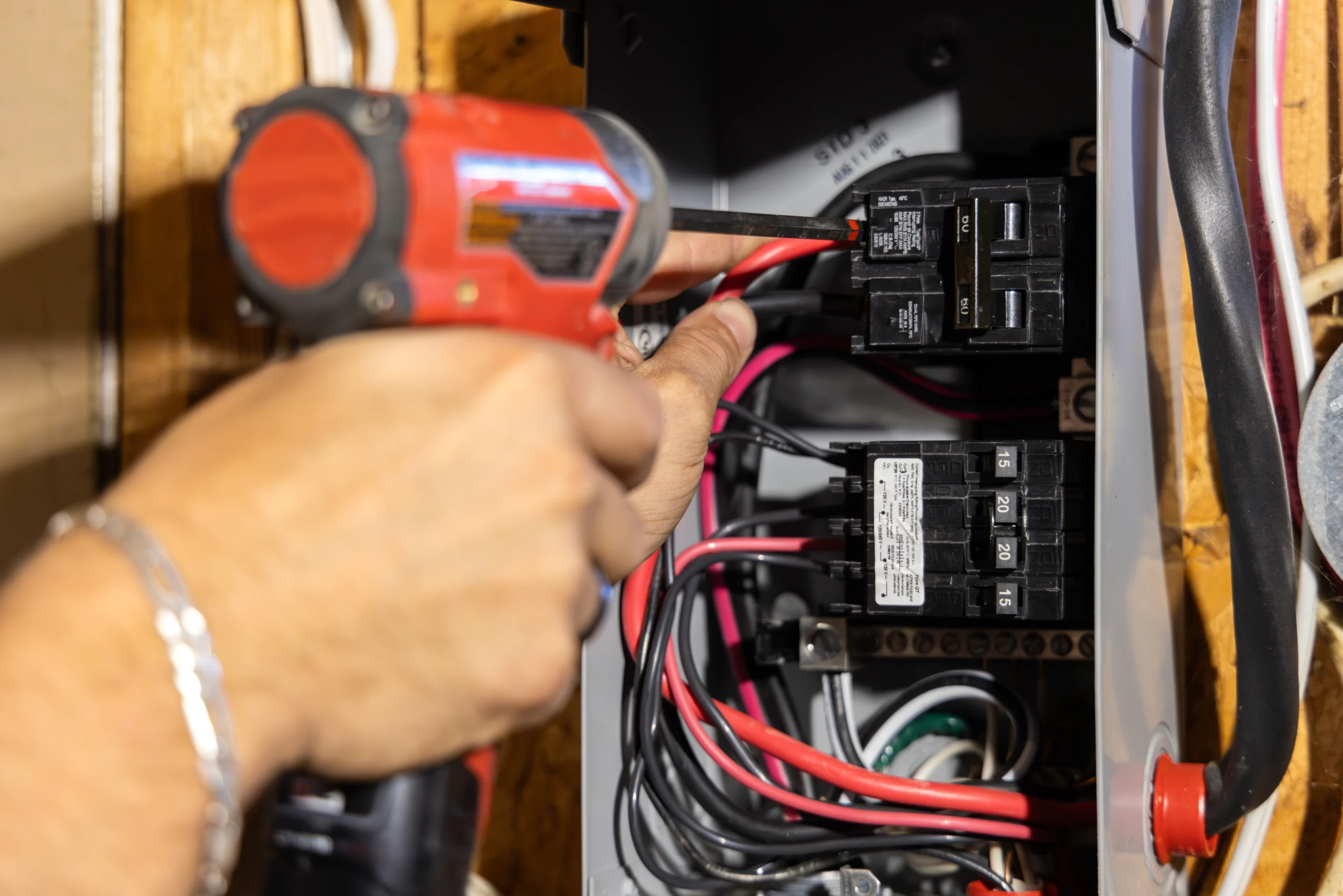
First, we assess your current electrical load and future needs. This isn’t just about counting outlets—it’s about understanding how you actually live and what your family’s power demands will be in the coming years. We’ll examine your existing panel, check your service capacity, and identify any code compliance issues that need addressing.
Next comes the planning phase. We’ll design the upgrade to meet NYC electrical codes while minimizing disruption to your daily routine. For panel upgrades, this often means coordinating with Con Edison for temporary service disconnection. For subpanel installations, we’ll map the best route from your main panel to the new location.
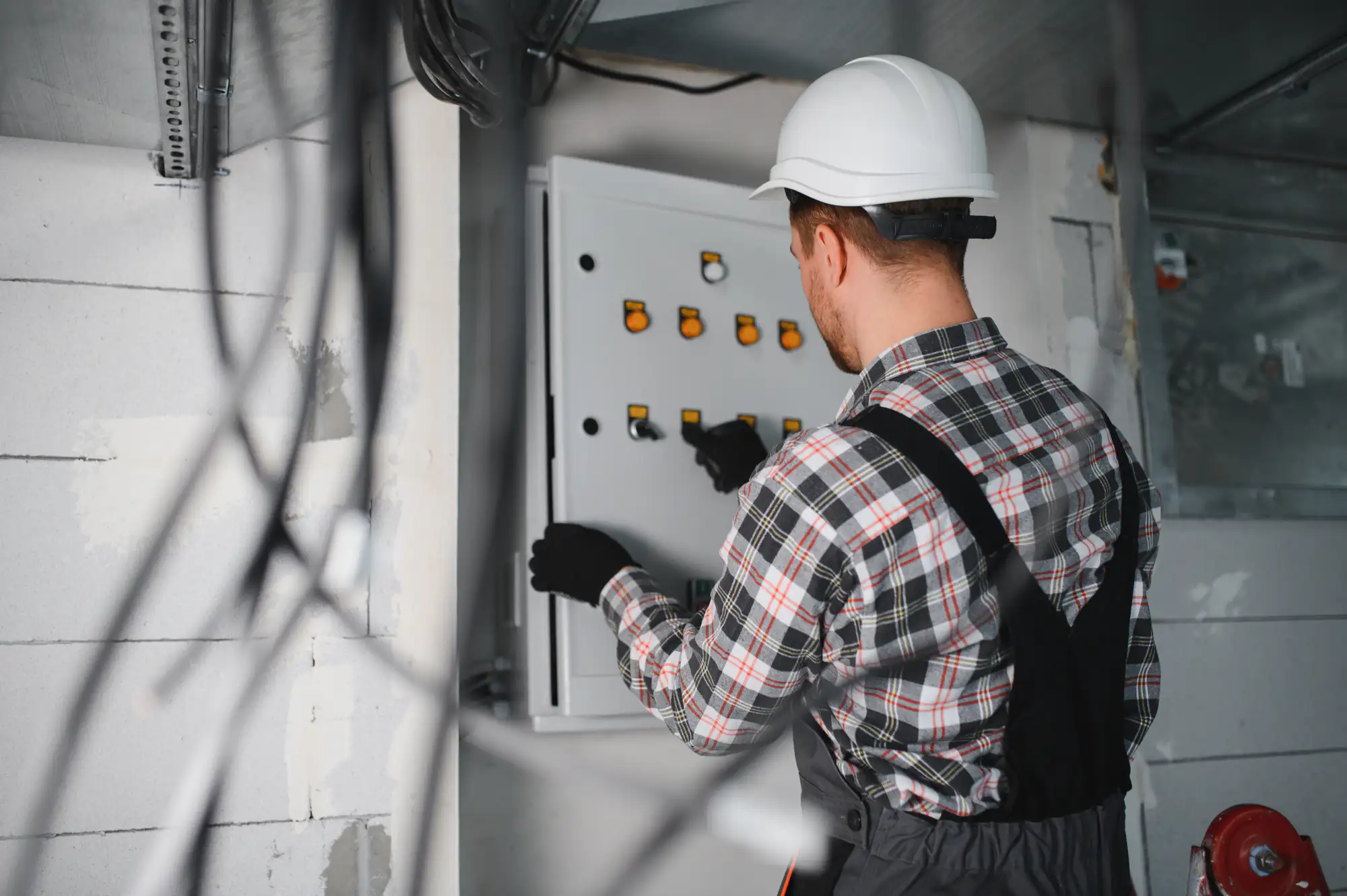
The installation itself typically takes one to two days, depending on the scope of work. We handle all permits, inspections, and final testing to ensure everything operates safely and reliably. You’ll get a clearly labeled panel with room for future expansion, plus documentation for your records and any future electrical work.
Ready to get started?
Electrical Code Compliance NYC
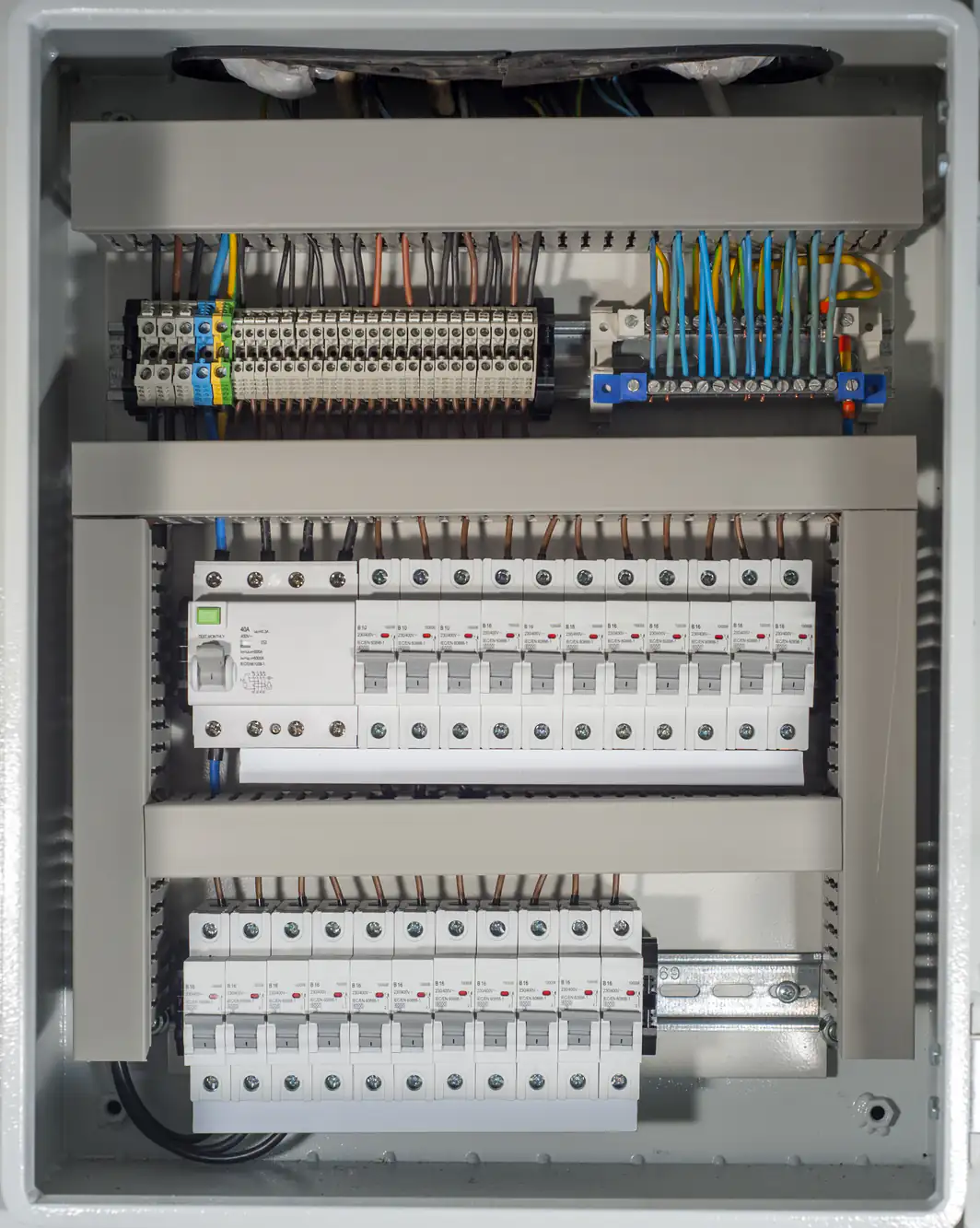
Panel and subpanel work includes everything needed for a complete, code-compliant installation. This means proper grounding, GFCI protection where required, appropriate wire sizing, and all necessary permits and inspections. In Park Slope’s older buildings, this often involves updating grounding systems and ensuring proper bonding of metal components.
For many Park Slope homes, a 200-amp panel upgrade is the sweet spot—enough capacity for modern living without over-engineering the system. This typically supports central air, electric vehicle charging, high-efficiency appliances, and room for future expansion. Subpanel installations are particularly valuable for basement workshops, detached garages, or when adding significant electrical load to a specific area of your home.
Brooklyn’s building codes are strict, and for good reason. Professional installation ensures your work passes inspection the first time and provides the safety and reliability your family deserves. This includes proper circuit labeling, adequate working clearances around panels, and installation methods that will perform reliably for decades.
How do I know if my Park Slope home needs a panel upgrade?
The most obvious signs are breakers that trip frequently, lights that dim when appliances start up, or an electrical panel that’s more than 30 years old. Many Park Slope homes still have 100-amp or even 60-amp service, which simply can’t handle modern electrical demands safely.
If you’re planning to add central air conditioning, an electric vehicle charger, or major appliances, your existing panel may not have the capacity. Similarly, if your panel has only a few open breaker slots and you need to add circuits, it’s time to consider an upgrade.
The real test is whether your electrical system supports how you actually live. If you find yourself unplugging devices to avoid tripping breakers, or if certain combinations of appliances cause power issues, your panel is telling you it’s overwhelmed.
What's the difference between a panel upgrade and adding a subpanel?
A panel upgrade replaces your main electrical panel with a higher-capacity unit, typically going from 100 amps to 200 amps. This increases your home’s total electrical capacity and usually requires coordination with your utility company to upgrade the service connection.
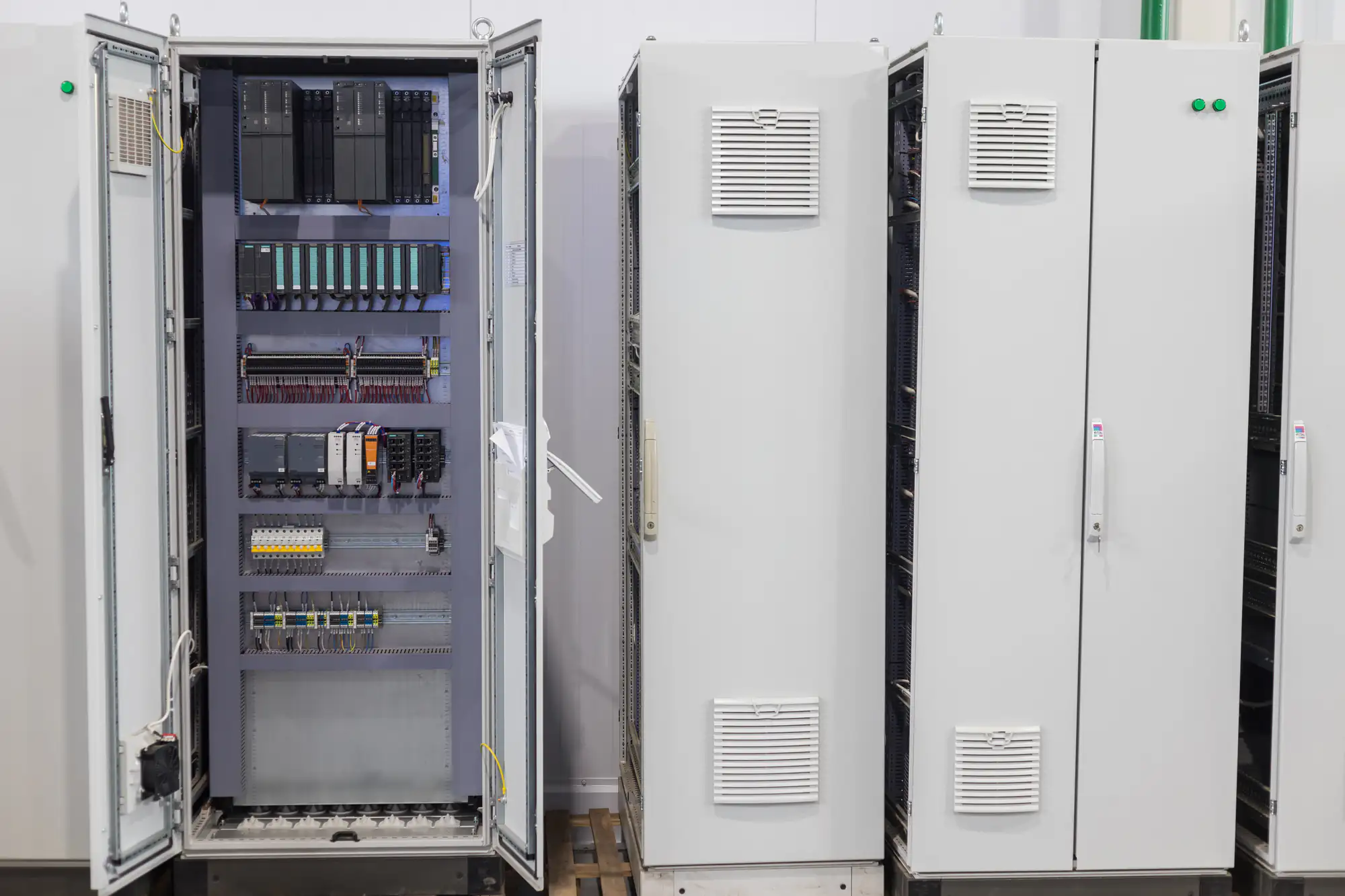
A subpanel is an additional panel that connects to your main panel, essentially extending circuits to a specific area of your home. It’s fed by a large circuit from the main panel and allows you to add multiple circuits in locations far from the main panel, like a basement workshop or detached garage.
The choice depends on your specific needs. If your whole house is underpowered, a main panel upgrade makes sense. If you just need more circuits in one area, or if your main panel is adequate but you need power in a remote location, a subpanel is often the more cost-effective solution.
How long does panel installation take in a Brooklyn home?
Most panel upgrades take one to two full days, though the timeline can vary based on your home’s specific conditions and the scope of work required. The actual installation work typically takes 6-8 hours, but you need to factor in permit processing, utility coordination, and inspection scheduling.
For subpanel installations, the work is usually completed in a single day unless there are complications with running the feeder cable or accessing the installation location. In Park Slope’s older buildings, unexpected conditions like outdated wiring or structural obstacles can extend the timeline.
The key is planning ahead. Permits need to be pulled before work begins, and utility disconnection (for main panel upgrades) needs to be scheduled in advance. We coordinate all these moving parts to minimize disruption to your routine while ensuring the work is done safely and correctly.
Do I need permits for electrical panel work in NYC?
Yes, both panel upgrades and subpanel installations require permits from the NYC Department of Buildings, and all work must be performed by a licensed Master Electrician. This isn’t optional—it’s required by law and essential for safety and insurance purposes.
The permit process includes plan review, inspections during installation, and final approval before the work can be considered complete. Attempting to do this work without proper permits can result in fines, insurance issues, and problems when you try to sell your home.
We handle all permit applications and coordinate inspections as part of our service. This ensures your work is done to code, passes inspection on the first try, and provides you with the documentation you need for your records. The permit cost is typically included in your project quote, so there are no surprises.
What does a 200-amp panel upgrade cost in Park Slope?
Panel upgrades in Park Slope typically range from $3,500 to $5,000, depending on the complexity of your installation and any additional work required to bring everything up to current codes. This includes the panel itself, installation labor, permits, and inspections.
Costs can vary based on factors like the condition of your existing wiring, whether your service entrance needs upgrading, and accessibility of the installation location. Park Slope’s older buildings sometimes require additional work like updating grounding systems or relocating panels to meet current clearance requirements.
Subpanel installations are generally less expensive, typically ranging from $1,500 to $2,500, since they don’t require utility coordination or service upgrades. The exact cost depends on the distance from your main panel, the amperage capacity you need, and any obstacles encountered during installation.
Can I add a subpanel for my home office or workshop?
Absolutely. Subpanels are an excellent solution for home offices, workshops, art studios, or any space that needs dedicated electrical capacity. This is especially common in Park Slope homes where basements or converted spaces serve as work areas that need reliable power for computers, tools, or equipment.
A subpanel allows you to add multiple circuits to serve your specific needs without overloading your main panel. For a home office, this might mean dedicated circuits for computers, printers, and lighting. For a workshop, you might need 240-volt circuits for larger tools plus multiple 120-volt circuits for general use.
The installation involves running a large feeder cable from your main panel to the subpanel location, then wiring individual circuits from there. This approach is often more cost-effective than running multiple individual circuits from your main panel, especially when the workspace is far from your main electrical panel or in a basement or detached structure.
Other Services we provide in Park Slope