Whole House Rewiring in Dyker Heights, NY
Safe, Modern Electrical Systems That Actually Work
Hear from Our Customers
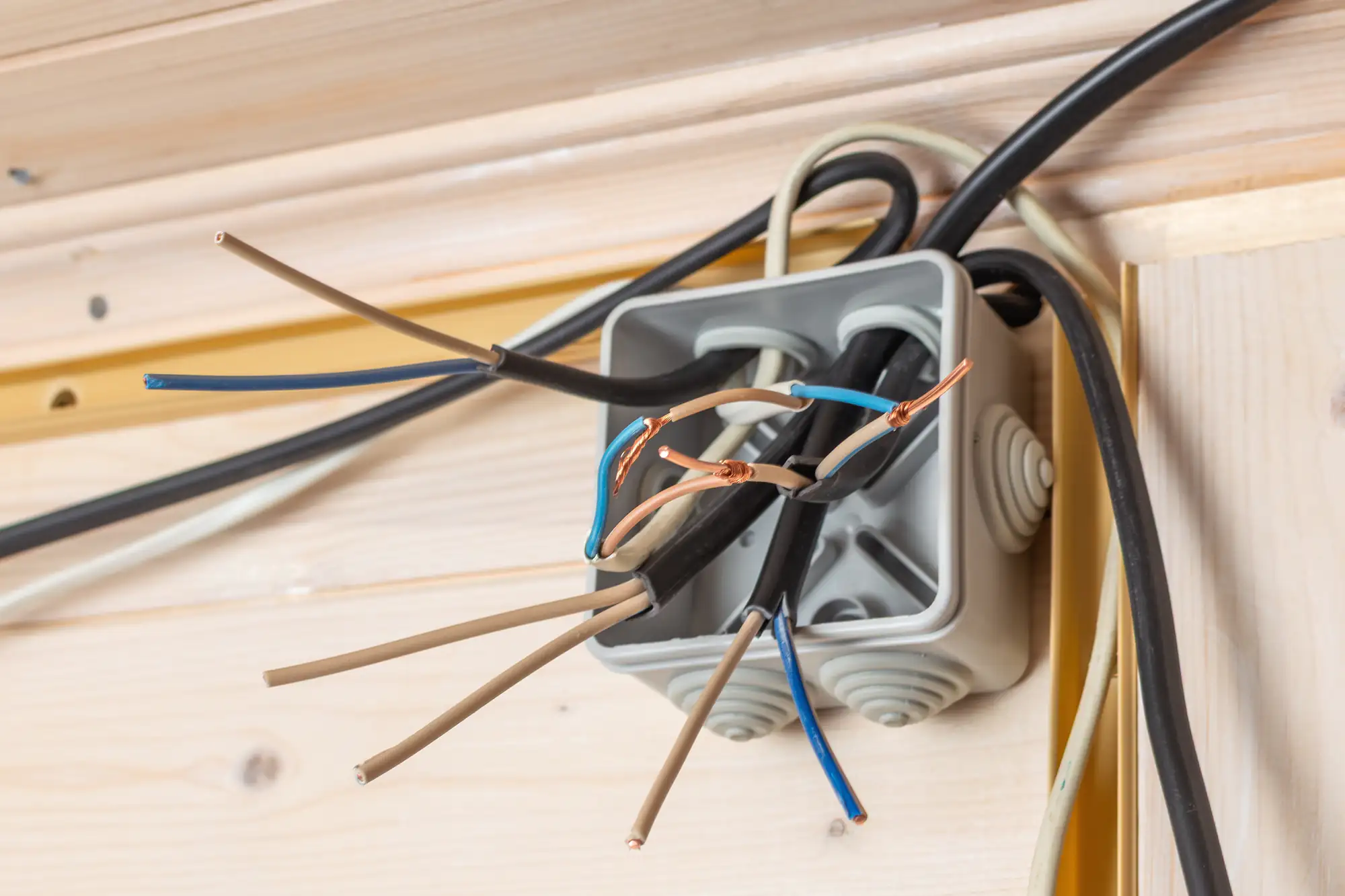
Professional Electrical Rewiring Dyker Heights
You flip a switch and the lights come on. You plug in your appliances without worrying about overloaded circuits. Your family stays safe from electrical hazards that come with old, deteriorating wiring.
That’s what happens when your electrical system actually meets the demands of modern living. No more rationing power between rooms or wondering if that burning smell means trouble.
Your home’s electrical system becomes invisible in the best way—it just works, reliably, every single day.
Licensed Electricians Dyker Heights Brooklyn
We’ve been handling electrical projects across Brooklyn for years, working with homeowners who need real solutions, not quick fixes. We’re licensed, insured, and we know the specific challenges that come with Dyker Heights homes.
Many houses in this neighborhood were built decades ago with electrical systems that weren’t designed for today’s technology. We’ve rewired countless homes here, from the classic detached houses near the golf course to the family homes that light up the streets every Christmas.
We understand what it takes to bring your home’s electrical system up to modern standards while respecting the character of your neighborhood.
Whole House Rewiring Process Brooklyn
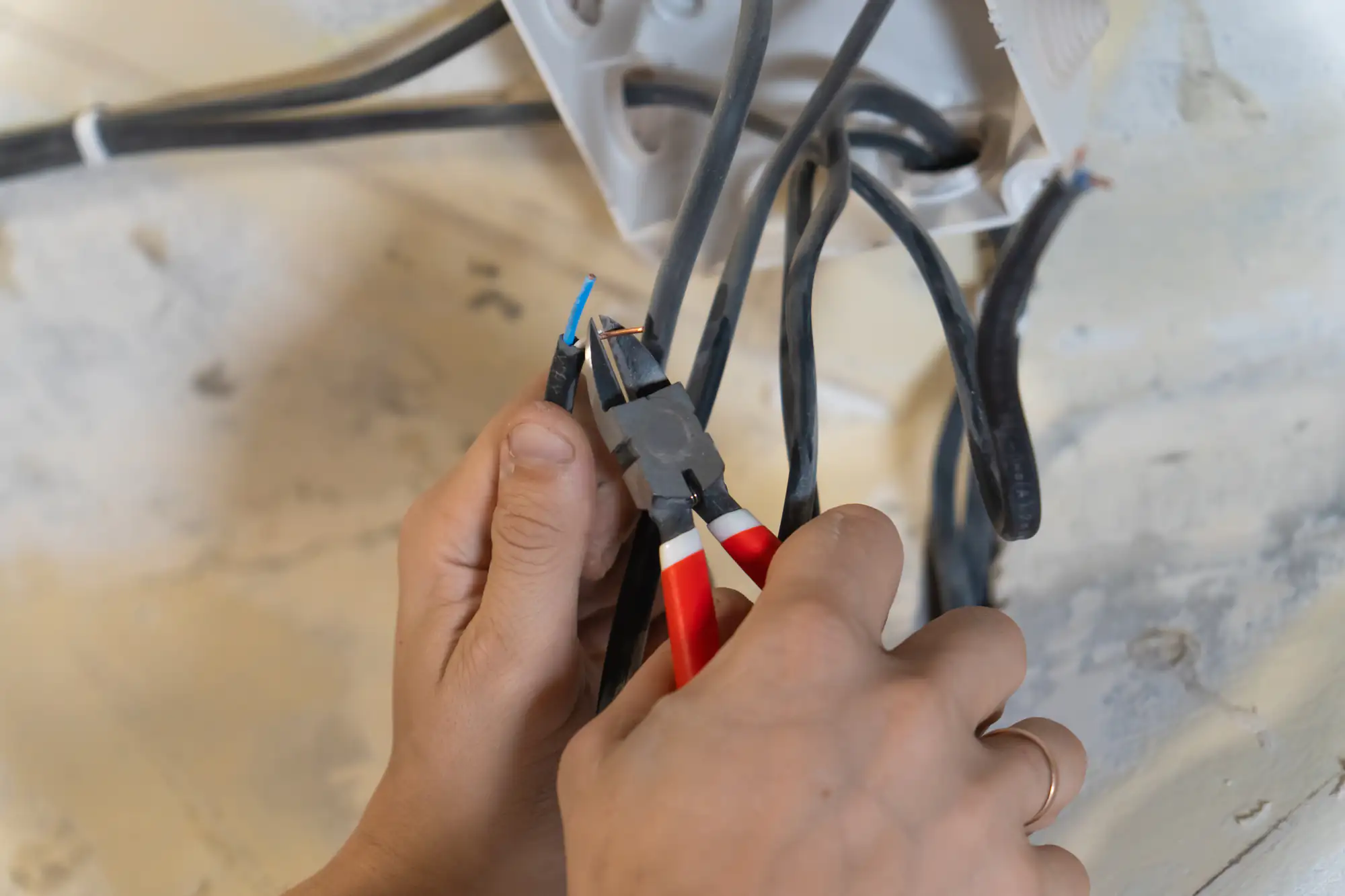
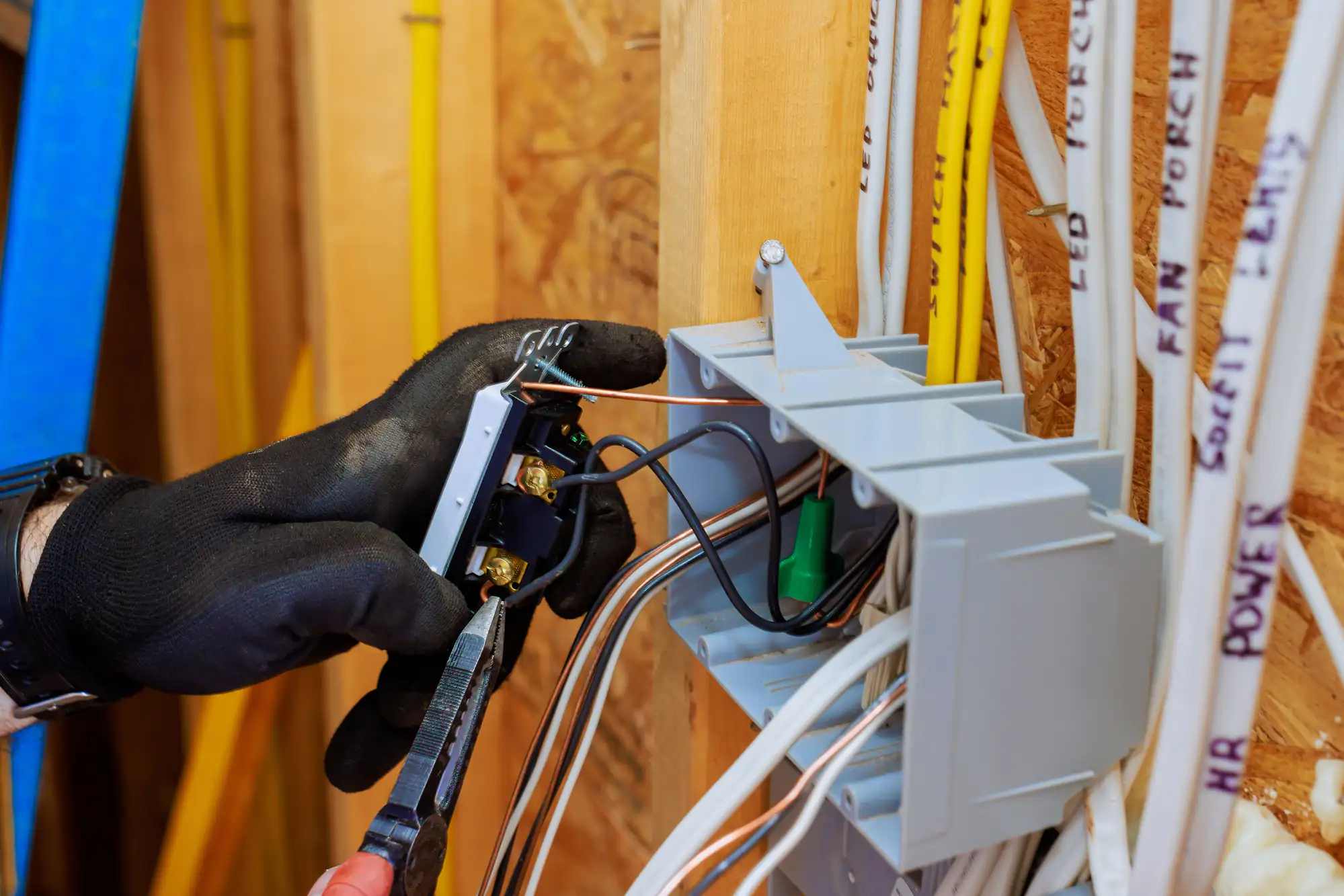
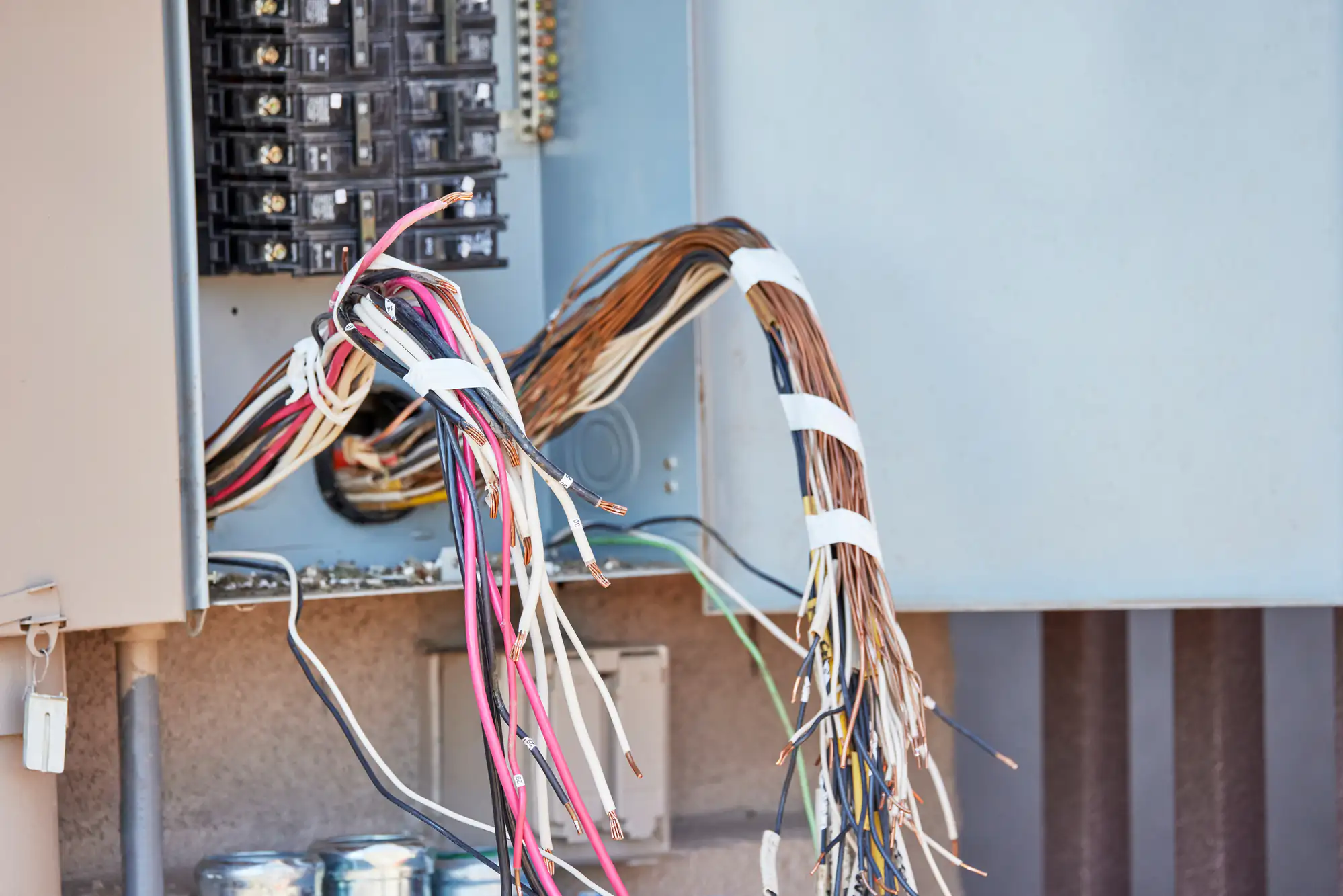
First, we inspect your current system to identify what needs to be replaced and what can stay. We look for old cloth-covered wiring, knob-and-tube installations, inadequate grounding, and panels that can’t handle modern electrical loads.
Next, we plan the new system. This means determining where new circuits need to run, what size panel you need (usually 200-amp for most homes), and how to minimize disruption to your daily life.
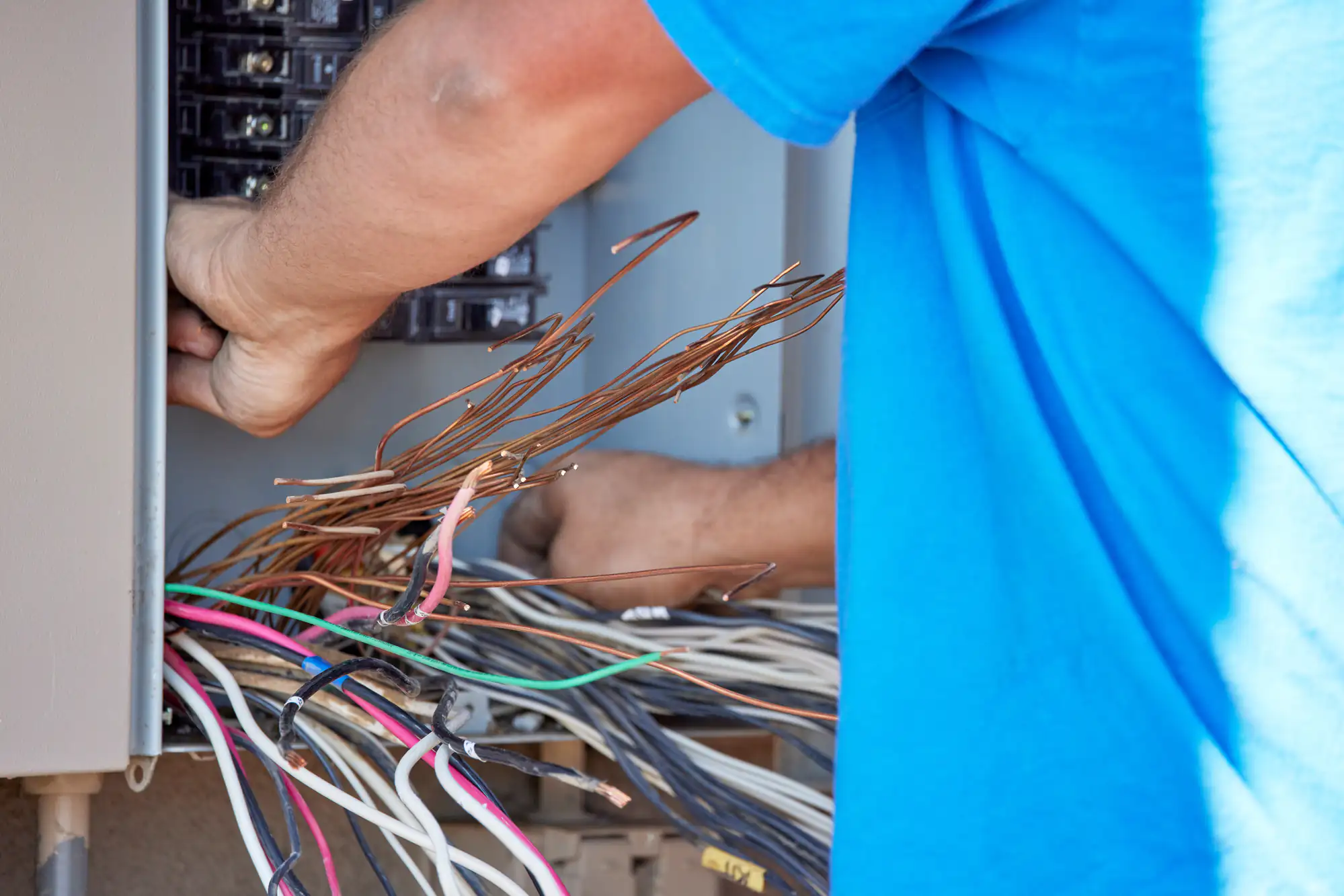
Then we do the work. We install new copper wiring throughout your home, upgrade your electrical panel, add proper grounding, and ensure everything meets current NYC electrical codes. We also install GFCI and AFCI protection where required and add dedicated circuits for major appliances.
Ready to get started?
Complete Rewiring Services Dyker Heights
Your rewiring project includes complete replacement of outdated wiring with modern copper conductors, a new 200-amp electrical panel that can handle today’s electrical demands, and proper grounding throughout your home.
We install GFCI protection in kitchens, bathrooms, and outdoor areas, plus AFCI protection to prevent electrical fires. You get dedicated circuits for major appliances like your HVAC system, washer, dryer, and kitchen equipment.
Dyker Heights homes often need additional considerations due to the neighborhood’s older housing stock and the famous holiday light displays many residents create. We ensure your electrical system can safely handle both your daily needs and those spectacular seasonal decorations that make this neighborhood special.
How much does whole house rewiring cost in Dyker Heights?
Rewiring costs in Brooklyn typically range from $8.60 to $15.75 per square foot, depending on your home’s size, the complexity of the existing wiring, and what upgrades you need. Most Dyker Heights homeowners spend between $15,000 and $30,000 for a complete rewiring project.
The final cost depends on factors like whether your home has knob-and-tube wiring that needs complete removal, if you’re upgrading from a 100-amp to 200-amp panel, and how many dedicated circuits you need for modern appliances. We provide detailed estimates after inspecting your specific situation.
Keep in mind that this investment protects your family’s safety, prevents electrical fires, and often reduces your homeowner’s insurance premiums since many insurers charge more for homes with outdated electrical systems.
Do I need permits for whole house rewiring in Brooklyn?
Yes, electrical rewiring requires permits from the NYC Department of Buildings, and we handle all the paperwork for you. The permit process ensures your new electrical system meets current safety codes and passes required inspections.
We pull the necessary permits before starting work and coordinate with city inspectors throughout the project. This includes preliminary inspections to verify the scope of work and final inspections to confirm everything meets code requirements.
Having proper permits protects you as a homeowner and ensures your electrical work is legal and safe. It also prevents issues if you ever sell your home, since buyers and their inspectors will look for evidence of properly permitted electrical work.
How long does a complete rewiring take in Dyker Heights?
Most whole house rewiring projects in Dyker Heights take 3-7 days, depending on your home’s size and the complexity of the existing electrical system. Larger homes or those with particularly old wiring may take longer.
We work efficiently to minimize disruption to your daily routine. In many cases, we can maintain power to essential areas of your home while working on others, so you’re not completely without electricity.
The timeline can be affected by factors like whether walls need to be opened to access old wiring, how many new circuits you’re adding, and inspection scheduling. We provide a realistic timeline upfront and keep you informed of our progress throughout the project.
Is knob-and-tube wiring dangerous in my Dyker Heights home?
Knob-and-tube wiring isn’t inherently dangerous when it’s in good condition and not modified improperly, but it poses several safety concerns in modern homes. This old wiring system lacks grounding, can’t handle today’s electrical loads, and becomes a fire hazard when surrounded by insulation.
NYC’s electrical code prohibits installing new concealed knob-and-tube wiring, and the National Electrical Code requires that existing knob-and-tube wiring not be covered by insulation. Many insurance companies also charge higher premiums or refuse coverage for homes with this old wiring.
If your home has knob-and-tube wiring, especially if it’s been modified over the years or is covered by insulation, replacing it should be a priority for your family’s safety and your home’s insurability.
Can I upgrade my electrical panel without rewiring the whole house?
Sometimes you can upgrade just the electrical panel, but often the existing wiring also needs replacement, especially in older Dyker Heights homes. If your current wiring is in good condition and meets current codes, a panel upgrade alone might be sufficient.
However, many homes built before the 1970s have wiring that’s incompatible with modern electrical demands or doesn’t meet current safety standards. Old cloth-covered wiring, aluminum wiring from the 1960s-70s, or undersized circuits often need replacement when upgrading the panel.
We evaluate your entire electrical system during our inspection and recommend the most cost-effective approach. Sometimes partial rewiring of critical circuits combined with a panel upgrade provides the safety and capacity you need without the expense of complete rewiring.
Will rewiring my home increase its value in Dyker Heights?
While rewiring doesn’t directly increase your home’s market value like a kitchen renovation might, it removes a significant barrier for potential buyers and often reduces your insurance costs. Most buyers prefer homes that don’t require major electrical work.
Updated electrical systems are increasingly important to buyers who want to use modern appliances, home offices, and smart home technology without worrying about safety or capacity issues. Homes with old wiring often face scrutiny during inspections and may require price reductions.
From a financial perspective, rewiring protects your investment by preventing electrical fires, reducing insurance premiums, and ensuring your home meets current safety standards. It’s essential maintenance that keeps your home marketable and your family safe.
Other Services we provide in Dyker Heights