Electrified NY Blogs
Why Brooklyn Brownstones Need Specialized Electrical Work
Summary:
The Hidden Electrical Challenges in Brooklyn Brownstones
Most brownstones were built without any electricity and have likely been updated multiple times, though not necessarily to modern standards. What you can’t see behind your walls tells the real story.
Many brownstones still run on just 20-60 amps to the main panel, when modern homes need at least 100-150 amps. That’s like trying to run a modern kitchen through a garden hose. Previous owners often completed work piecemeal, hiring handymen or doing work themselves without proper oversight.
The electrical challenges go deeper than most homeowners realize. Your beautiful brownstone might be hiding dangerous surprises that only specialized contractors know how to spot and fix safely.
Dangerous Knob and Tube Wiring Still Found in Many Brownstones
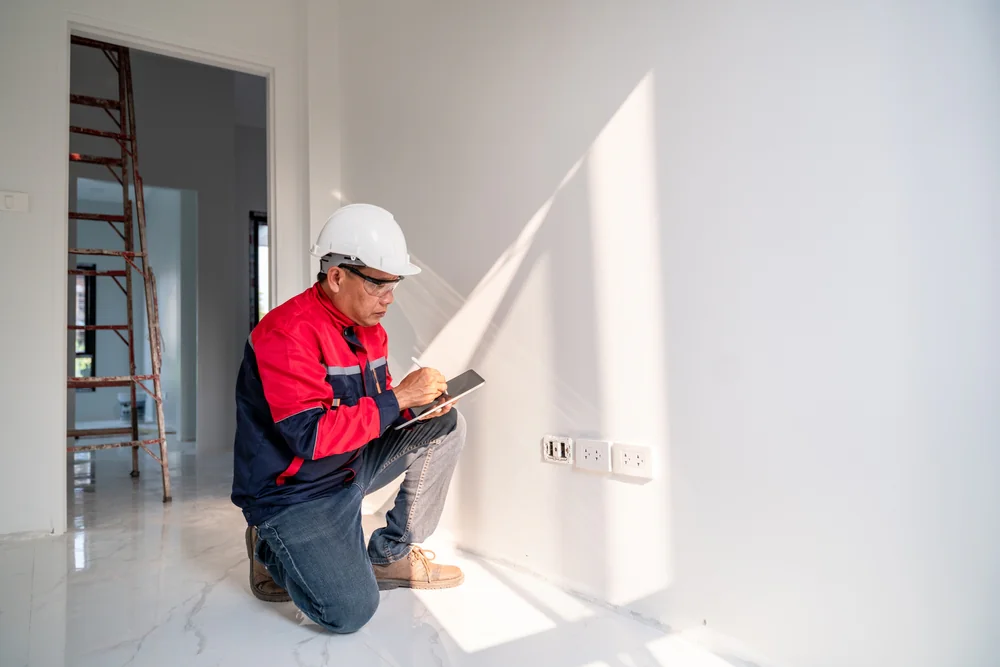
Knob-and-tube wiring was prevalent in NYC buildings from the 1880s through 1940s and is common in older brownstones—but it’s not up to code and uninsurable by many providers. If your brownstone still has this original wiring, you’re sitting on a ticking time bomb.
Existing knob-and-tube systems are notorious for modifications made by insufficiently trained handymen rather than experienced electricians, making the wiring vulnerable to overloading. These systems lack ground wire, which is critical for safety—without grounding, there’s no path for circuits to trip breakers, increasing shock risk.
Many insurance companies refuse to insure houses with knob-and-tube wiring due to fire risk. Even if your insurance company hasn’t dropped you yet, they’re likely charging higher premiums or will require removal during your next policy review.
The heat problem makes things worse. When knob-and-tube wiring gets covered with insulation, it can’t cool down and release heat as designed, increasing fire risk. These systems weren’t designed to carry today’s electrical loads, making them prone to overheating.
You’ll know you have problems when lights flicker during normal use, outlets feel warm, or you smell burning near electrical fixtures. Lights that flicker or dim frequently signal that knob-and-tube wiring is struggling to handle electrical load.
Overloaded Circuits and Inadequate Amperage
Older buildings may have been constructed when electricity usage was much lower, with only three or four outlets and 40 amps per apartment as the norm. With modern amenities like air conditioning and kitchen appliances, 40 amps is rock bottom—today’s one-bedrooms usually have at least 100-150 amps to satisfy code requirements.
Your brownstone’s electrical system is like a highway built for horse-and-buggy traffic trying to handle modern rush hour. Some previous owners even ran circuits from units two levels away instead of from proper panels, creating a mess that needs professional straightening.
The problem compounds when you try to use modern appliances. Many buildings can’t handle the electric needs of modern appliances. Your dishwasher, microwave, and coffee maker all running at once? That’s asking for trouble on a system designed for a few light bulbs and maybe a radio.
If turning on the toaster knocks out the blender along with half the kitchen, your panel is throwing in the towel on modern power demands. Flickering lights are typically caused by loose wiring or overloaded circuits. These aren’t just annoyances—they’re warning signs that your electrical system needs professional attention before something dangerous happens.
Want live answers?
Connect with a Electrified expert for fast, friendly support.
NYC Electrical Code Compliance for Historic Buildings
In older buildings, it’s unlikely that your current setup is in line with the city’s electrical and energy codes, and you might need to increase electrical load to handle new appliances. NYC doesn’t give historic buildings a pass on safety.
New York has stringent electrical codes, and depending on building type and size, even minor electrical tasks like switch wiring or outlet replacement may require permits or inspections. The New York City 2025 Electrical Code takes full effect on December 21, 2025, making compliance even more critical.
The code requirements affect everything you want to do. Changes to electrical code over the past 15 years concern outlet placement on kitchen backsplashes, circuit wiring, and other details that require significant updates, especially in kitchens where new appliances will be installed.
Grounding Issues That Create Safety Hazards
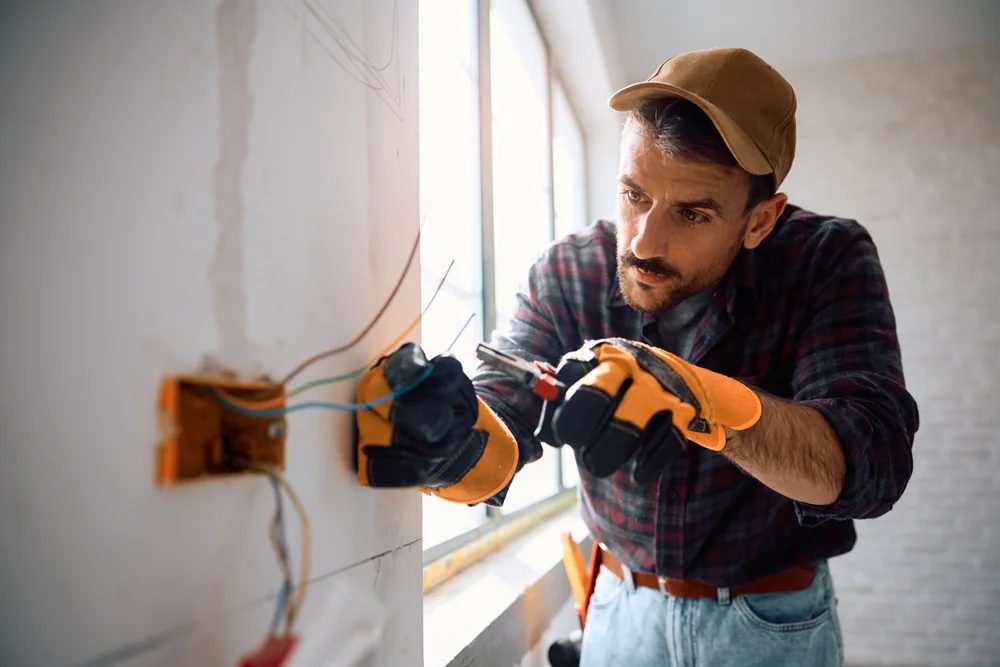
All outlets should be properly grounded, and GFCI outlets should be installed near water sources like kitchens, bathrooms, laundry rooms, and outdoor spaces. Many brownstone renovations fail electrical inspection due to outlets not being grounded.
The dangers of a non-grounded electrical system cannot be stressed enough—grounding is necessary to minimize electrical system risks. Grounding involves attaching electrical wiring to the ground near a breaker box, with a grounding rod placed in the ground near the electrical panel.
Without proper grounding, you’re gambling with your family’s safety every time someone plugs in an appliance. Grounding adds protection for all connected devices including electronics, appliances, power tools, and lighting systems—when properly grounded, device malfunctions pose minimal risks to household members.
The grounding problem gets complicated in brownstones because older two-slot outlets need raw copper wire connections to properly grounded outlets, with all grounds going to the raw screw bar in the panel along with white neutrals. This isn’t a DIY fix—it requires understanding how your specific building’s electrical system works and how to bring it up to current safety standards.
Permit Requirements and Building Department Compliance
NYC’s strict building codes and permit requirements are main factors that can slow down electrical upgrade processes—securing necessary approvals from the Department of Buildings and co-op or condo boards can add significant time, especially in historic buildings where additional reviews may be needed.
Almost any home renovation in New York requires filing with the Department of Buildings, using a licensed contractor, and applying for building, electrical, and plumbing permits—but brownstones designated as landmarks by the Landmark Preservation Commission require additional applications.
The permit process isn’t just bureaucratic red tape. We ensure everything complies with NYC codes and arrange for inspection approval if required. For larger projects, we handle necessary planning and help with permitting, ensuring all work complies with Brooklyn’s local building and safety codes.
The LPC must approve all materials and design aesthetics before you get started—preserving a brownstone’s historic value is worth it, but the process does add time and costs to renovation. Working with contractors experienced in landmark properties makes this process much smoother.
Getting permits isn’t optional, and trying to skip them creates bigger problems down the road. Under the NYC 2011 Electrical Code, the Department may issue OATH violations for Electrical Code violations. The penalties for unpermitted electrical work can be severe, and you’ll have to fix everything anyway—except now you’re paying twice.
Choosing the Right Brooklyn Electrical Contractor for Your Brownstone
Licensed electricians not only ensure code compliance but also understand the complexities of NYC’s older buildings, such as hidden junction boxes, outdated wiring, and mixed systems. Not every electrician understands what makes brownstone electrical work different.
Specialized experience with historical Brooklyn brownstone rewiring makes the difference between a contractor who gets it right the first time and one who creates new problems while trying to fix old ones. Brooklyn-based contractors understand the nuances of the borough’s buildings, permitting process, and common electrical challenges—our local expertise ensures faster service, fewer mistakes, and better results.
When you’re ready to upgrade your brownstone’s electrical system, you need more than technical skills. You need someone who understands the unique challenges these beautiful old buildings present and knows how to solve them safely and efficiently. We bring that specialized knowledge to every Brooklyn brownstone project, ensuring your historic home gets the modern electrical system it needs without compromising its character.