Electrical Inspection in East New York, NY
Catch Problems Before They Become Fires

Hear from Our Customers
Home Electrical Inspection Services East New York
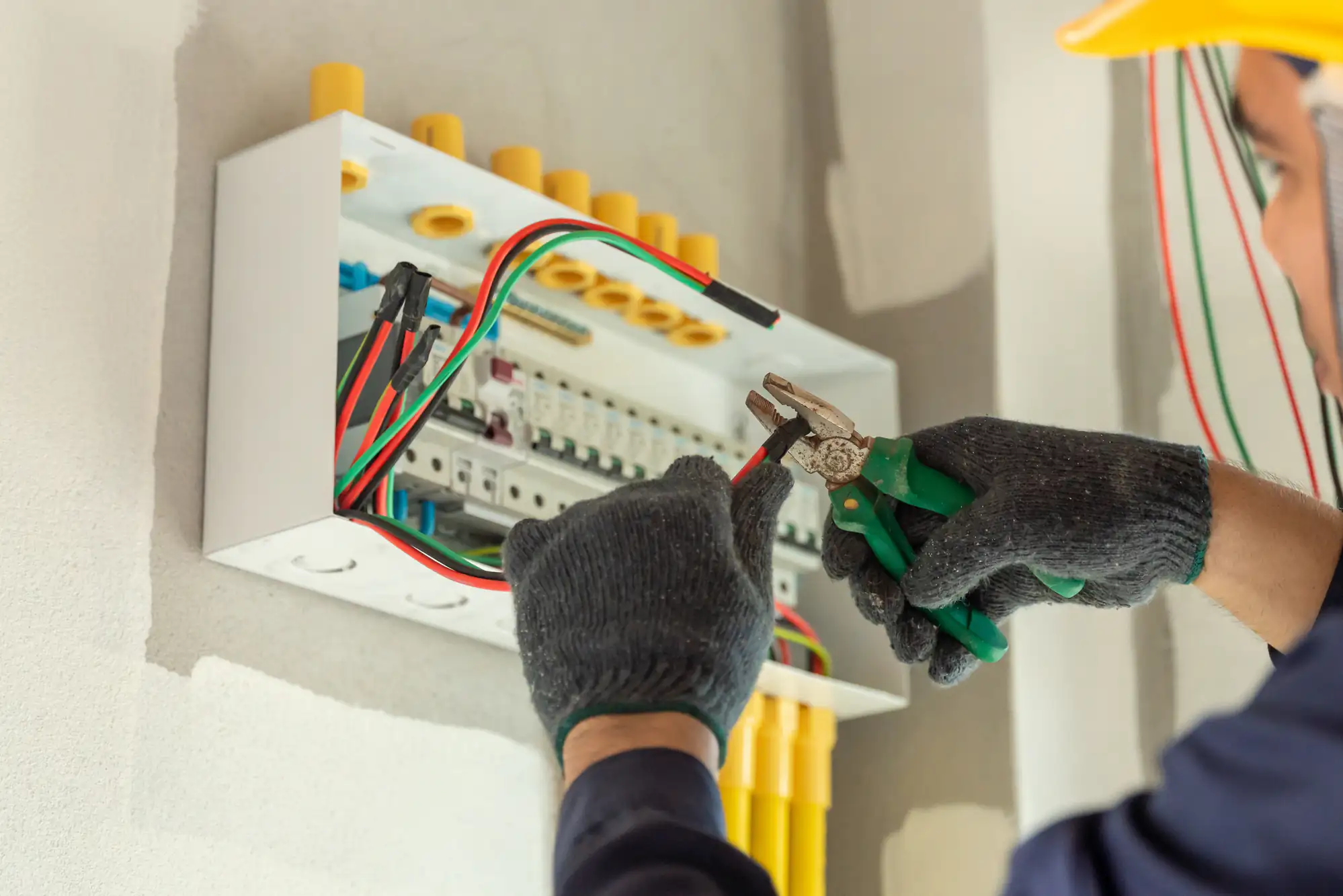
You’re not paying for a quick walkthrough. A house electrical inspection in East New York means someone who knows what to look for goes through your entire system—panels, breakers, outlets, wiring, grounding, everything. We’re checking for code violations, fire hazards, overloaded circuits, and outdated components that can’t handle what you’re plugging in today.
Most homes in East New York were built before 1980. That means knob-and-tube wiring, cloth insulation that’s crumbling, aluminum wiring from the ’60s, and panels that were never designed for air conditioners, microwaves, and electric cars. An electrical wiring inspection finds those problems while they’re still fixable—not after your breaker trips for the third time this week or your insurance company starts asking questions.
You walk away with documentation. A written report that tells you what’s wrong, what’s dangerous, and what can wait. That report matters when you’re buying, selling, refinancing, or filing a claim. It also matters when you just want to sleep better knowing your house isn’t a fire risk.
Local Electrician East New York
Electrified is a licensed and insured electrical contractor based in Brooklyn. We’ve worked in enough East New York homes to know what’s typical and what’s trouble. Pre-war buildings, brownstones, older two-families—we’ve seen the wiring nightmares that come with them.
We handle residential, commercial, and industrial work, but our focus stays the same: safety, code compliance, and honest communication. That means we’re not upselling you on work you don’t need, and we’re not skipping steps to save time. Every electrical inspection near you gets the same attention—because the goal is finding problems, not missing them.
We pull permits, manage inspections with the city, and make sure everything we touch is documented and legal. You’re not getting a handshake deal or a guy who disappears when the city comes knocking.
Electrical Inspection Services East New York
First, we walk the property with you. You tell us what’s been acting up—flickering lights, warm outlets, breakers that trip, burning smells, whatever’s on your mind. That gives us a starting point, but we’re checking everything either way.
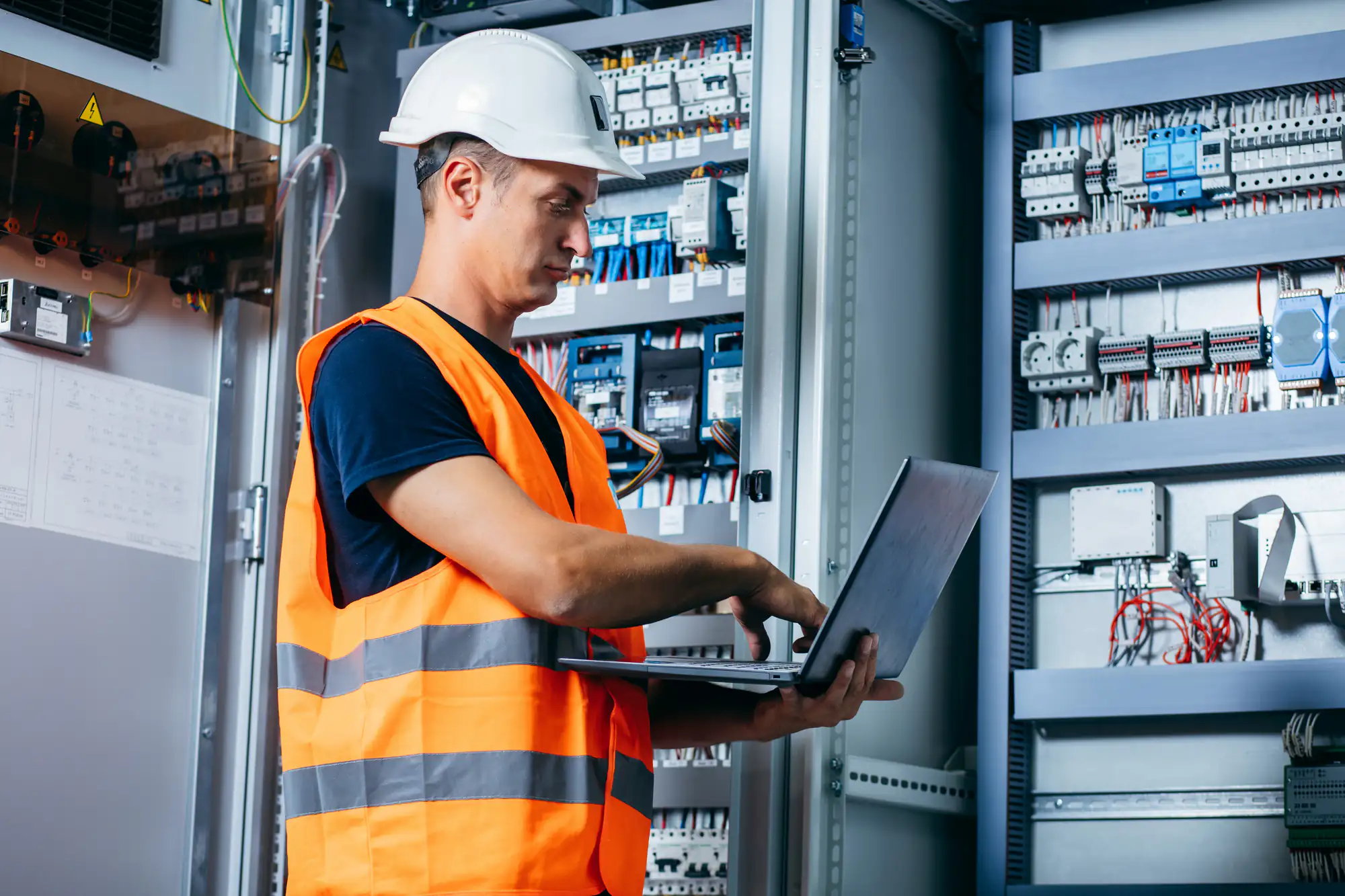
Next, we open up your electrical panel and go through every circuit. We’re looking at wire size, breaker ratings, connections, grounding, and whether anything’s been modified incorrectly. We check outlets for proper grounding and polarity. We test GFCI and AFCI protection. We look for backstabbed wires, double-tapped breakers, and aluminum wiring connections that are starting to fail.
Then we move through the rest of the house. We’re checking junction boxes, light fixtures, switches, and any visible wiring. If you’ve got an attic, basement, or crawl space, we’re going in there too. That’s where the old stuff hides—cloth wiring, outdated splices, and modifications that were never inspected.
After that, you get a written report. It lists everything we found, explains what’s dangerous vs. what’s just old, and gives you a clear path forward. No jargon. No scare tactics. Just the facts and what they mean for your home.
Ready to get started?
Circuit Breaker Inspection East New York
A certified electrical inspection in East New York covers your entire system. That includes your main panel, subpanels, circuit breakers, grounding system, bonding, service entrance, meter base, and every outlet and switch we can access. We’re also checking your GFCI and AFCI protection—required by code in kitchens, bathrooms, and bedrooms.
We look for common problems in older East New York homes: 60-amp or 100-amp panels that can’t support modern loads, Federal Pacific or Zinsco panels that are known fire hazards, ungrounded outlets, missing junction box covers, and wiring that’s been spliced without proper protection. We also check for DIY work—incorrect wire sizes, wrong breaker ratings, and modifications that were never permitted.
If your home was built before 1980, there’s a good chance you’ve got outdated wiring. Cloth-insulated wiring breaks down over time, leaving exposed conductors that can arc and start fires. Knob-and-tube wiring wasn’t designed for grounded systems. Aluminum wiring expands and contracts, loosening connections and creating hot spots. A home electrical inspection in East New York identifies all of that before it becomes an emergency.
You also get guidance on what needs to happen next. Some issues need immediate attention. Others can be addressed over time. We’ll tell you the difference and help you prioritize based on safety and budget.
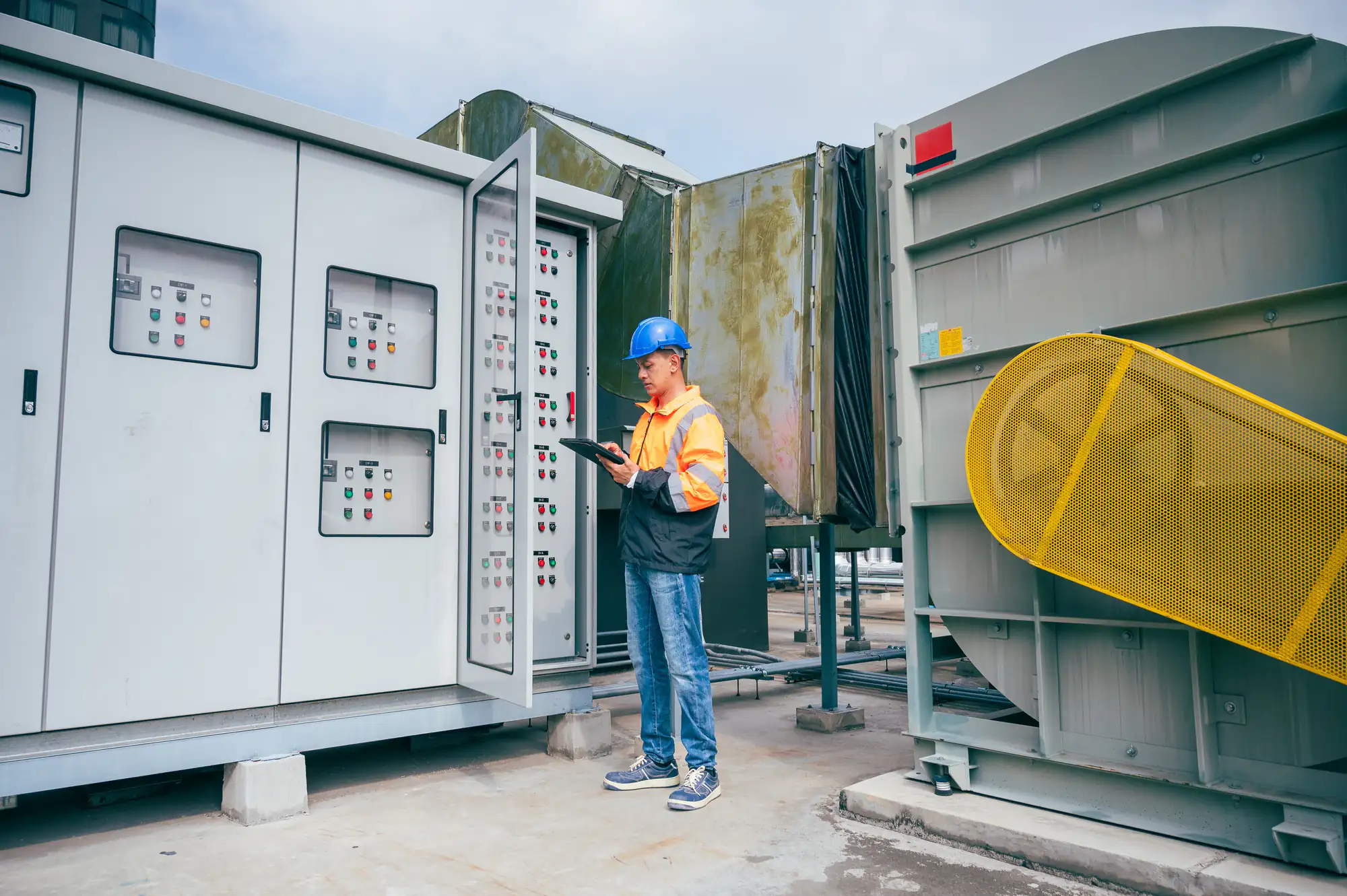
How much does an electrical inspection cost in East New York, NY?
Most electrical inspections in East New York run between $100 and $200 for a standard home. That price covers a full safety inspection of your electrical system—panel, breakers, outlets, wiring, grounding, and code compliance. Larger homes or properties with multiple panels may cost more.
If you’re buying or selling a home, some inspectors charge extra for detailed reports required by lenders or attorneys. If the inspection uncovers problems and you need a follow-up estimate for repairs, that’s usually provided separately. The inspection itself is just the assessment—not the fix.
What you’re paying for is someone who knows what to look for and how to document it. A cheap inspection that misses problems isn’t a deal. It’s a liability. You want a licensed electrician who’s familiar with Brooklyn’s older housing stock and the specific code requirements in New York City.
How often should I get an electrical inspection in East New York?
If your home is older than 25 years, you should get an electrical inspection every two to three years. For newer homes, every three to five years is usually enough—unless you’re adding major appliances, finishing a basement, or noticing problems like tripping breakers or flickering lights.
You should also get an inspection before buying a home, after any major renovation, and if you’re planning to sell. Insurance companies sometimes require inspections for older homes or homes with known issues like Federal Pacific panels or aluminum wiring. If you’ve had any unpermitted electrical work done, an inspection will tell you what needs to be corrected before it becomes a problem with the city or your insurer.
East New York has a lot of pre-war housing. Those homes weren’t built for the electrical loads we use today, and many have been modified over the years without proper permits. Regular inspections catch those issues early, when they’re still manageable.
What are the signs I need an electrical inspection right away?
If your breakers are tripping frequently, that’s a red flag. Breakers trip to protect you from overloads and short circuits. If it’s happening often, your system is either overloaded or something’s wrong with the wiring. Either way, you need it checked.
Flickering or dimming lights—especially when you turn on an appliance—usually mean you’ve got loose wiring or an overloaded circuit. Warm or discolored outlets are another warning sign. That means there’s resistance in the connection, which creates heat. Left unchecked, that can start a fire.
Burning smells, buzzing sounds from your panel, or outlets that spark when you plug something in are all reasons to call immediately. Don’t wait. Those are active hazards. You should also get an inspection if your home is more than 40 years old and you’ve never had the wiring checked, or if you’ve bought a home and don’t know the history of the electrical system.
Will an electrical inspection tell me if my wiring is up to code?
Yes. A certified electrical inspection in East New York includes a code compliance check. That means we’re comparing your system to the current New York City Electrical Code, which is based on the National Electrical Code with local amendments.
Code requirements change over time. Homes built in the 1950s weren’t required to have grounded outlets. Homes built in the 1980s didn’t need AFCI protection. If your home hasn’t been updated, it may not meet current code—and that can be a problem when you sell, refinance, or file an insurance claim.
The inspection report will tell you what’s not compliant and what needs to be upgraded. Some things are grandfathered in—meaning they’re allowed to stay as-is unless you’re doing a renovation. Other things, like Federal Pacific panels or ungrounded outlets in bathrooms, are considered safety hazards and should be addressed regardless. We’ll explain the difference and help you prioritize.
Can I get an electrical inspection if I'm buying a home in East New York?
Absolutely. In fact, you should. A pre-purchase electrical inspection is one of the smartest things you can do before closing. General home inspectors check electrical systems, but they’re not electricians—they’re not opening panels, testing circuits, or identifying code violations the way a licensed electrician would.
An electrical inspection before you buy gives you leverage. If the inspection finds problems—outdated panels, aluminum wiring, missing GFCI protection, unpermitted work—you can negotiate repairs or a credit before you close. Without that inspection, you’re buying those problems.
This is especially important in East New York, where a lot of homes are older and have been modified over the years. Sellers don’t always know what’s behind the walls, and they’re not required to disclose issues they’re unaware of. An inspection protects you from inheriting someone else’s electrical mess. It also gives you a clear picture of what you’ll need to budget for after you move in.
What happens if the inspection finds problems with my electrical system?
You get a written report that explains what’s wrong, why it matters, and what needs to happen next. Some problems are urgent—like exposed wiring, overheating panels, or missing grounding. Those need to be fixed right away. Other issues are less critical but still worth addressing—like outdated outlets or circuits that aren’t labeled.
If repairs are needed, we’ll give you a clear estimate. That includes labor, materials, permits, and inspections. We don’t surprise you with hidden costs or upsell you on work that can wait. The goal is to make your system safe and compliant, not to rack up a bill.
In some cases, you may need a permit and a city inspection for the repairs. We handle that process—pulling the permit, scheduling the inspection, and making sure everything passes. If you’re selling or refinancing, that documentation proves the work was done legally. If you’re just fixing things for your own peace of mind, it means you’re protected if something goes wrong down the line.
Other Services we provide in East New York